


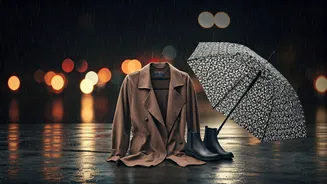


Why Suede and Monsoon Are a Bad Mix
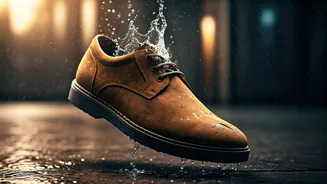
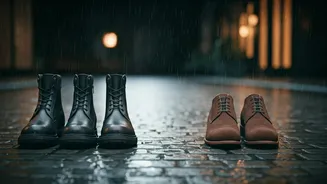
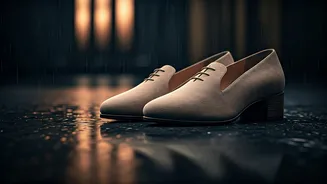
Suede, with its soft, velvety nap, is essentially a delicate type of leather. Its porous nature means it's highly susceptible to water damage. When suede gets wet, the water can stain the material and cause its fine fibres to become stiff and matted,
permanently altering the texture. Unlike standard leather, which has a tougher exterior, suede's absorbent surface makes it a magnet for the dirt and grime of Mumbai's waterlogged streets. While protective sprays can offer some resistance, they don't make suede fully waterproof and won't stand a chance against a proper downpour. It's best to accept that this is one battle your stylish loafers are destined to lose.
Your Monsoon-Ready Footwear Wardrobe
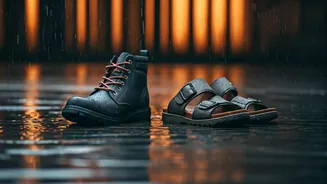
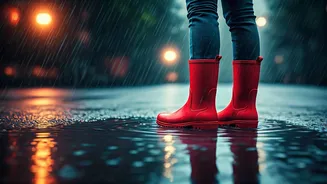
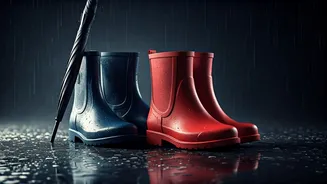
So, what should you wear? The key is to look for materials that are waterproof, quick-drying, and offer a good grip on slippery surfaces. Your monsoon footwear arsenal should include a few key styles: * **Rubber and PVC:** This is the gold standard for monsoon footwear. Gumboots, rubber flip-flops, and PVC sandals are completely waterproof, easy to clean, and affordable. Ankle-length rain boots are particularly useful for navigating flooded streets. * **EVA and Croc-style Clogs:** Materials like Ethylene Vinyl Acetate (EVA) and Crocs' proprietary Croslite are lightweight, waterproof, and dry incredibly fast. They are comfortable for daily commutes and the ventilation holes in clogs help with breathability. * **Waterproof Sneakers:** For those who don't want to compromise on style, several brands now offer waterproof sneakers made from treated synthetic materials and featuring sealed seams. They offer the look of a regular sneaker with the practicality needed for the season.
How to Style Your Monsoon Shoes
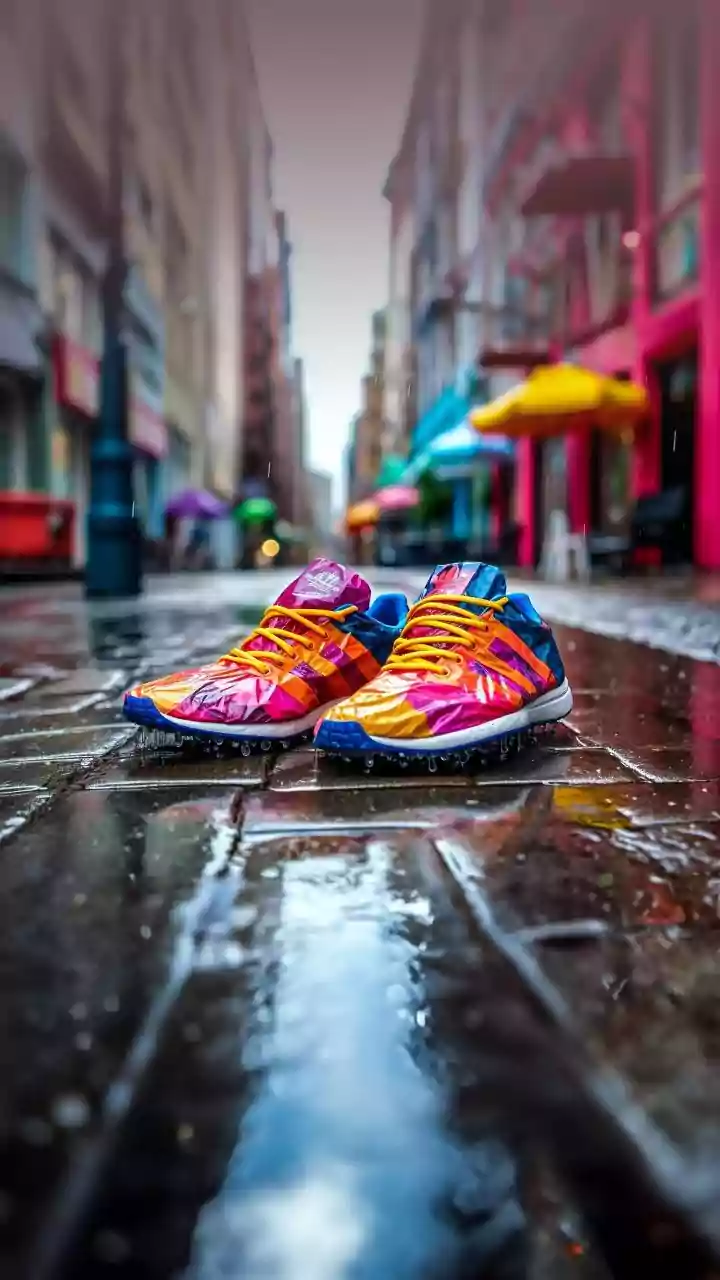
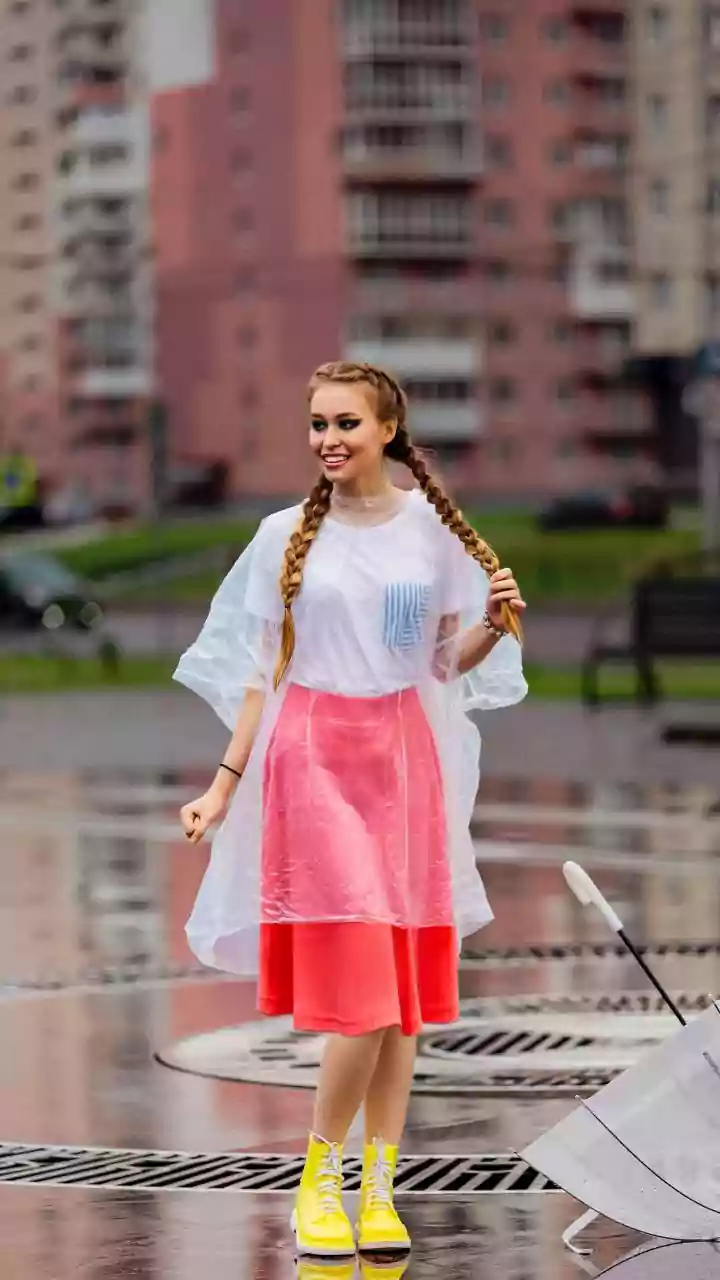
Practical monsoon footwear doesn't have to be boring. The market is now filled with stylish options that don't sacrifice function. Brands are offering trendy designs in bright, neon colours to add a pop of fun to a grey, rainy day. Jelly shoes, a 90s favourite, are back and offer a playful, colourful, and waterproof option. Even classic rain boots are available in various heights and chic designs that pair well with jeans or dresses. For a more understated look, minimalist sandals with water-resistant finishes can work for both casual and semi-formal settings. The trick is to embrace functional fashion and choose a style that keeps you dry without cramping your personal aesthetic.
Emergency Care: When Suede Gets Soaked
Despite your best efforts, accidents happen. If you get caught in an unexpected shower and your suede shoes get wet, don't panic and definitely do not use a hairdryer or direct heat. First, blot the excess water immediately with a clean towel or paper towel. Then, stuff the shoes with newspaper; this helps them retain their shape and absorbs moisture from the inside. Let them air dry naturally, away from direct sunlight. Once completely dry, you can use a special suede brush to gently restore the nap, brushing in small, circular motions to fluff up the fibres. For stubborn water stains, a suede eraser can be effective.
Caring for Your Monsoon Footwear
Your monsoon shoes also need some love. Regular cleaning is essential to prevent the buildup of grime and the growth of odour-causing bacteria in the humid weather. For rubber, EVA, or PVC shoes, a simple wash with mild soap and water is usually sufficient. A soft brush can be used to scrub away any stubborn dirt. The most important step is to allow them to dry completely before the next wear. Air drying in a well-ventilated space is best. Rotating between two pairs of monsoon shoes is a great strategy, as it ensures each pair has ample time to dry out, extending their life and keeping them fresh.