




The High-Intensity Option: What is HIIT?
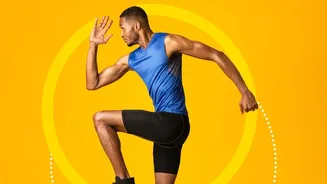
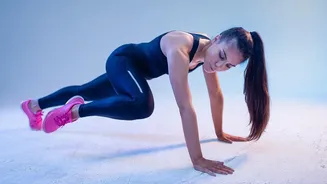
High-Intensity Interval Training (HIIT) involves short, explosive bursts of exercise followed by brief periods of rest or low-intensity recovery. Think 30 seconds of sprinting on a treadmill, followed by 60 seconds of walking, repeated for about 15-20
minutes. The goal is to push your heart rate to 80% of its maximum capacity or higher during the intense intervals. Because of its intensity, HIIT is incredibly time-efficient, with full workouts often lasting just 20 to 30 minutes. This makes it a popular choice for busy professionals trying to squeeze a workout into their lunch break or packed schedule.
The Steady-Paced Alternative: What is LISS?
Low-Intensity Steady-State (LISS) cardio is the opposite. It involves performing a single activity at a consistent, comfortable pace for a longer duration, typically 30 to 60 minutes. Examples include brisk walking, cycling at a steady speed, swimming, or using an elliptical machine. During LISS, your heart rate stays in a lower zone, around 60-70% of your maximum. The main idea is to maintain an effort level where you could still hold a conversation. It’s less demanding on the body and often feels more meditative than intense.
Factor 1: Your Schedule and Time
For many desk workers, time is the biggest hurdle. This is where HIIT shines. A 20-minute HIIT session can deliver comparable, if not superior, fitness benefits to a 45-minute LISS workout. The 'afterburn effect', scientifically known as EPOC (excess post-exercise oxygen consumption), means your body continues to burn calories at an elevated rate even after the workout is over. If your days are packed and finding a 60-minute window for exercise seems impossible, HIIT offers a powerful return on your time investment. LISS, on the other hand, requires a longer time commitment per session but can be easier to integrate into your daily life, such as by turning your commute into a brisk walk or bike ride.
Factor 2: Your Fitness Goals
Your choice also depends on what you want to achieve. If your primary goal is rapid fat loss and improved cardiovascular performance, HIIT is often recommended. It’s highly effective at improving VO2 max (a measure of aerobic capacity) in less time. However, if your goal is building endurance, managing stress, or active recovery, LISS is an excellent choice. LISS is also effective for fat loss, as it trains your body to use fat as its primary fuel source during the workout. While HIIT might burn more calories per minute, a longer LISS session can result in significant total calorie burn. For preserving muscle mass while losing fat, some evidence suggests HIIT has an edge.
Factor 3: Your Fitness Level and Injury Risk
This is a crucial consideration, especially for those new to exercise. LISS is gentle on the joints and suitable for all fitness levels, including absolute beginners. Its low-impact nature makes it a safer starting point if you're deconditioned from long hours of sitting or have pre-existing joint issues. HIIT, by contrast, is high-impact and carries a greater risk of injury, particularly if your form is incorrect. Due to its intensity, it places significant stress on the body and requires more recovery time between sessions. Experts often advise beginners to build a foundational level of fitness with LISS before attempting HIIT.
Factor 4: The Sustainability Question
The best workout is the one you will actually do consistently. Some people thrive on the intensity and variety of HIIT, finding it more engaging and motivating than a repetitive steady-state session. Others may find the high-intensity nature of HIIT to be a daunting and unpleasant experience, leading them to quit. LISS can be more relaxing and enjoyable, allowing you to listen to a podcast or watch a show while you exercise. The meditative quality of a long walk or gentle bike ride can also be a powerful tool for stress relief after a demanding day at the office. Consider your personality and what type of movement brings you joy.
The Verdict: Why Not Both?
Ultimately, you don't have to choose just one. Many fitness experts agree that a balanced routine incorporating both HIIT and LISS is the optimal approach. You could perform one or two intense HIIT sessions per week on days when you're short on time or feeling energetic. On other days, you can use LISS for active recovery, endurance building, and stress management. This hybrid model allows you to reap the benefits of both methods—the time efficiency and metabolic boost of HIIT, and the sustainability and joint-friendly nature of LISS—while minimizing their respective drawbacks. Listen to your body, consider your schedule, and create a plan that feels both effective and sustainable.