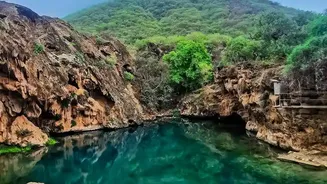




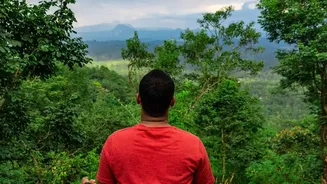


Imagine waking not to a hotel alarm, but to the sounds of a forest in a tribal village. In Chhattisgarh, a new wave of eco-conscious tourism is moving beyond resorts, offering travellers an authentic connection with nature and community.
A Different Kind of Destination
Deep in the heart
of India, Chhattisgarh is rewriting its tourism story. Traditionally known for its dense forests, waterfalls, and rich mineral resources, the state is now fostering a quieter, more impactful form of travel. Centered in its forest villages, particularly in regions like Bastar, a community-based tourism model is taking root. This approach prioritizes authentic experiences, environmental conservation, and direct economic benefits for the local tribal communities who have called these forests home for centuries. Instead of large, impersonal hotels, the focus is on intimate homestays and eco-friendly activities managed by the villagers themselves. This model empowers local communities to become guardians of their own culture and environment, turning tourism into a tool for preservation, not just profit.
The Homestay Experience: More Than a Room
The cornerstone of this sustainable movement is the homestay. The Chhattisgarh government's Homestay Policy provides financial support and training to help families in rural and tribal areas convert parts of their homes into accommodations for guests. This decentralizes tourism revenue, channeling it directly into village households. For travellers, this means a unique opportunity for cultural immersion. Guests stay with local families, eat traditional cuisine, and experience a way of life intrinsically linked to the land. Villages like Manjhipal in the Kanger Valley National Park, with its 'Aamcho Laadi' homestay, have become popular for offering this warm, authentic hospitality, attracting visitors from India and abroad. These stays are more than just a bed for the night; they are a genuine cultural exchange, fostering mutual respect and understanding.
Immersive Activities, Minimal Footprint
The activities offered are designed to be immersive and low-impact. In villages like Dhudmaras, which was recognized by the United Nations World Tourism Organization for its sustainable potential, local youths trained as guides lead guests on nature treks, bamboo rafting trips, and kayaking excursions on the Kanger River. In other areas, tourists can participate in night trail adventures and stargazing in the Kanger Valley. The focus is on appreciating the natural beauty and learning about the local ecosystem without disturbing it. This extends to cultural experiences, where visitors can learn about indigenous arts like bell metal craft, watch traditional dance performances, and understand the community's deep connection to the forest. These are not manufactured experiences but shared moments that provide insight into a rich heritage.
The Ripple Effect of Responsible Travel
The economic and social impacts are profound. By creating local employment for guides, homestay operators, and artisans, this model helps reduce the migration of youth to urban centers in search of work. In Jabarra, the first village in the state to get community forest rights, ecotourism initiatives focusing on wellness and healing have generated significant income, which is managed by the village council. Organizations like Unexplored Bastar have been instrumental, training hundreds of young people in hospitality and guiding, empowering them to form Self-Help Groups (SHGs) that manage tourism activities. This not only provides a sustainable livelihood but also instills a sense of pride and ownership, encouraging the preservation of both cultural traditions and natural resources.
The Path Forward
The success of community-led tourism in villages such as Chitrakote, which was named the Best Community-Based Tourism Village in 2024, demonstrates a viable and desirable alternative to mass tourism. The government continues to support this growth by improving infrastructure like roads to make these remote areas more accessible and by providing training in digital marketing to help homestay operators reach a wider audience. The challenge lies in scaling this model without losing the authenticity and sustainability that make it so special. For the eco-conscious traveller, choosing to visit these forest villages is more than a holiday; it's an investment in a more equitable and sustainable future for tourism, where the benefits are shared by all.