
The Instant Gratification Advantage
A full paint job is a multi-day commitment. It involves selecting colours, buying supplies, prepping surfaces, moving all furniture, applying multiple coats, and waiting for everything to dry and cure. Professionals can speed this up, but it still involves significant
disruption. In contrast, rearranging a room can be done in a single afternoon. The result is immediate; you can see and feel the difference the moment you’re finished. This quick turnaround provides a powerful psychological boost, making your home feel new and exciting without the prolonged effort and mess of painting.
Start by Creating a Blank Slate
The first step to a successful rearrangement is to see your space with fresh eyes. To do this, you need to create a 'blank slate'. If possible, move all smaller items like lamps, decor, and side tables out of the room. For larger items like sofas and bookshelves, clustering them in the centre can work. This process allows you to properly clean the space, vacuuming away dust bunnies and tackling carpet dents that have formed under furniture legs. More importantly, it helps you break free from established habits and see the room's true dimensions and potential.
Identify a New Focal Point
Every well-designed room has a focal point that draws the eye. This could be a natural feature like a fireplace or a large window, or something you create, like a significant piece of art or a statement bookcase. Once you've emptied the space, identify what you want the new focal point to be. The previous layout may have ignored the room's best features. Try orienting your main seating area towards this new point of interest. For example, instead of having the sofa face the television, perhaps it could face a beautiful window to emphasize natural light.
Rethink Traffic Flow and Function
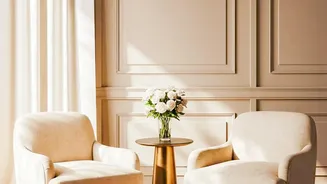
Consider how you actually move through the room. A common mistake is pushing all furniture against the walls, which can stifle flow and make a space feel static. By pulling furniture even a few inches away from the walls, you can create a sense of 'breathing room' that makes the layout feel more intentional. Group seating pieces together to create distinct conversational zones, ensuring there's a clear path for foot traffic. Think about optimizing the layout for your daily routines; for example, is your favourite reading chair in the spot with the best light? A good layout shouldn't just look good; it should make living in the space easier.
Shop Your Own Home
The most budget-friendly decor store is your own home. An accent chair from the bedroom might be the perfect addition to a living room corner. A small rug from the hallway could anchor a reading nook. Art, lamps, plants, and even side tables can be swapped between rooms to give each space a fresh identity without spending a rupee. This practice encourages creativity and helps you see the potential in items you may have grown tired of in their original context. Thinking outside the box is key; a vintage trunk can become a unique side table, or a small bench can be repurposed.
The Finishing Touches
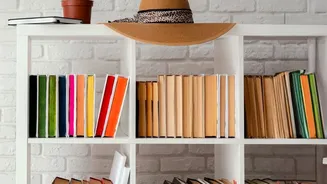
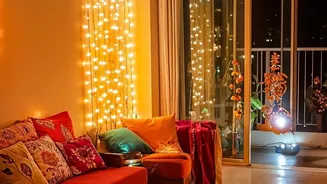
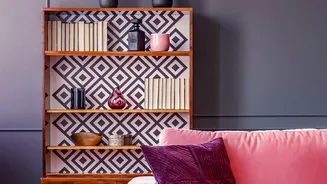
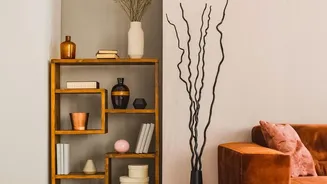
Once the large furniture pieces are in their new homes, it's time to re-accessorise. This is where the room truly comes to life. Instead of putting everything back where it was, be intentional. Restyle your bookshelves, creating balance between books and decorative objects. Change out throw pillows and blankets to introduce new textures or a different colour emphasis. Clear off surfaces and only put back what is beautiful or essential. This final step is an opportunity to declutter and curate, ensuring the 'new' room feels not just different, but cleaner and more personalised.