





A First Look at the Numbers
On October 26, 2026, Anthropic filed its S-1 registration statement with the U.S. Securities and Exchange Commission, a mandatory step for a domestic company planning to sell shares to the public. An updated filing on November 2 provided even more detail,
confirming the company plans to list on the Nasdaq under the ticker 'ANT'. The documents reveal a company experiencing explosive growth, with sales reaching $17 billion in the third quarter of 2026. But they also paint a picture of equally massive expenditures. The filing disclosed signed contracts, primarily for computing power, totaling nearly $895.4 billion. It's a figure that underscores the central challenge for every major player in the AI race: the colossal and ever-growing cost of the underlying technology.
The Billion-Dollar Compute Bill
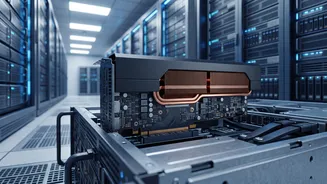
The heart of the story in Anthropic's S-1 is the cost of computing. To train and run advanced AI models like Claude, companies require vast armies of specialized computer chips, known as GPUs. These are not the chips in your laptop; a single top-tier NVIDIA H100 data center GPU can cost over $30,000 to purchase outright. Companies need thousands of them. While renting is an option, hourly rates for the latest hardware can range from a few dollars to over $12 per GPU, depending on the provider and contract length. Running a cluster of 16 GPUs around the clock for a month could cost over $46,000. These costs add up quickly, with analysts estimating that compute is the dominant expense for AI labs, making up over half of all costs—more than even the high salaries paid to top AI talent. Anthropic's filing shows it has committed to paying about $69.8 billion for these resources in the next year alone.
What Exactly Costs So Much?
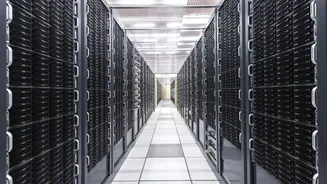
The high cost of AI infrastructure isn't just about buying or renting chips. It's a multi-layered stack of expenses. First are the GPUs themselves, which function as the engine for AI calculations. But those engines need a home, which means data center construction and maintenance, a capital-intensive process that can cost up to a billion dollars per facility. Then there's the power. Data centers are incredibly energy-hungry; training a single frontier AI model can incur energy costs exceeding $100 million. Finally, there's the software. NVIDIA, the dominant supplier of AI chips, also sells an enterprise software suite that can cost $4,500 per GPU annually, a fee companies pay to unlock the full potential of the hardware and get necessary support. This creates a high-stakes ecosystem where being a leader requires billions in upfront and recurring investment.
A High-Stakes Bet on the Future
Anthropic's massive spending is a calculated wager. The company is betting that by securing immense computing power now, it can build next-generation models that will secure a dominant market position for years to come. This strategy is echoed across the industry, with the top four US hyperscalers (Amazon, Microsoft, Alphabet, and Meta) guiding their combined capital expenditures toward an estimated $730 billion in 2026, largely to build out their own AI infrastructure. However, this 'spend-to-win' approach carries significant risks, which the S-1 filing must disclose to potential investors. The high costs create an enormous barrier to entry, potentially limiting competition to a handful of giants. Furthermore, it ties Anthropic's fate to the continued demand for its models and its ability to generate revenue that can eventually outpace its monumental expenses.