



The Incredible Shrinking Restaurant
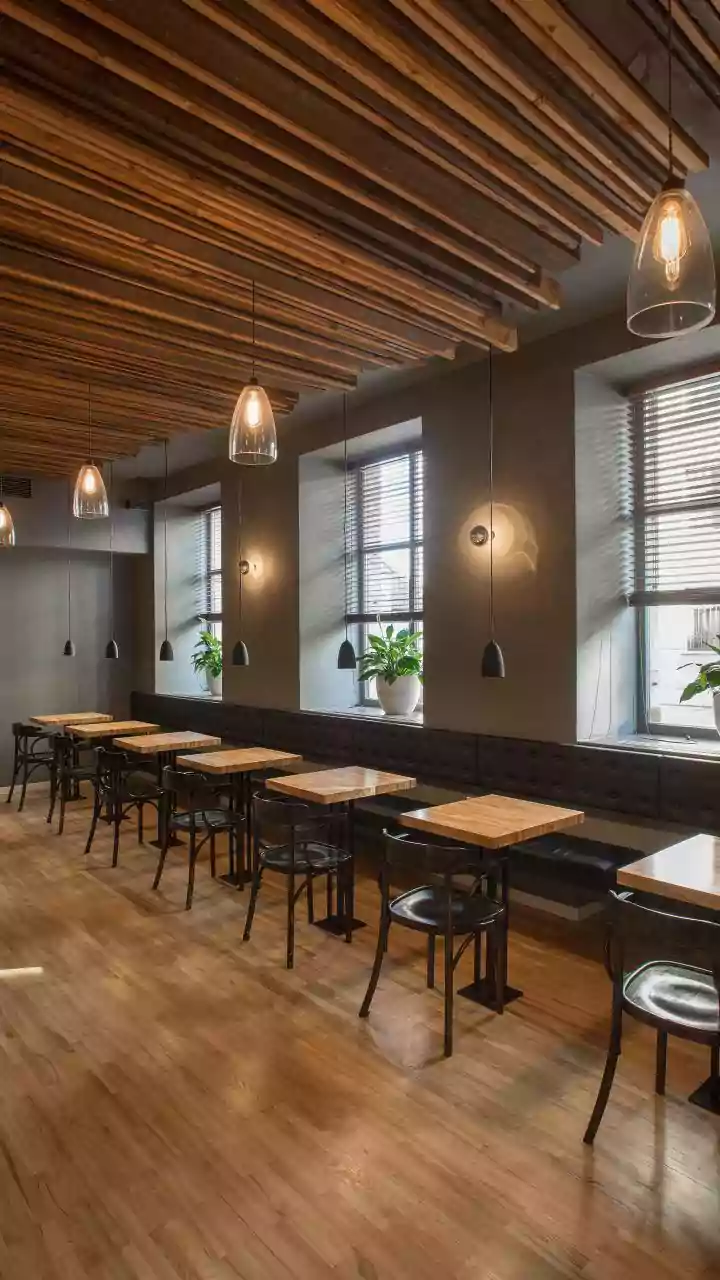
Walk through any major Indian city, and you might notice a subtle shift in the food landscape. The grand, sprawling restaurant with dozens of tables is increasingly making way for something far more compact. These new formats are a direct response to
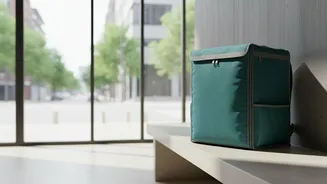
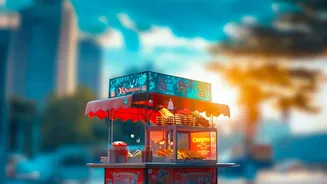
fundamental changes in how city dwellers work, live, and eat. They include ghost kitchens, which are delivery-only operations with no storefront, often housing multiple 'virtual' brands under one roof. There are also micro-cafes, tiny takeaway counters, and quick-service restaurants (QSRs) designed with a minimal seating area, if any at all. Brands like Panera and Taco Bell have been testing "to-go" concepts and smaller drive-thru models that occupy half the space of a traditional location. The common thread is a smaller physical footprint, lower overhead costs, and an intense focus on off-premise dining—delivery and takeout.
Driven by New Urban Rhythms
The primary driver behind this trend is the profound shift in urban routines. With hybrid work now a permanent fixture for a significant portion of the workforce, the predictable five-day-a-week commute to a central business district is gone. This has led to what some analysts call the "donut effect," where city centers are quieter during the day, while suburban and residential neighbourhoods see more activity. Foot traffic in downtown areas remains significantly below pre-pandemic levels, making it difficult for restaurants that once relied on a steady stream of office workers to survive. As a result, the traditional Monday-to-Friday lunch rush has become uneven, while demand for weekend brunch and earlier dinner times has grown. People working from home are more likely to want convenient, high-quality meals delivered, or to venture out for dinner in their own neighbourhoods rather than near an office they no longer frequent daily.
The Business Case for Going Small
For restaurant operators, the move to compact formats is a strategic one rooted in sound financial logic. The single biggest advantage is cost reduction. A smaller footprint means lower rent, decreased utility bills, and fewer staff required to manage a dining room. In India, for instance, the cost to set up a delivery-only cloud kitchen can be less than a third of what it takes to launch a full-service restaurant. This dramatically lowers the barrier to entry for new entrepreneurs and allows established brands to expand more quickly and with less risk. These models are also built for the digital age. By focusing on delivery and takeout, which now account for a vast majority of restaurant traffic, they can leverage data analytics to fine-tune menus, predict demand, and optimise kitchen workflows for maximum efficiency. This agility allows them to adapt to changing consumer tastes far more quickly than a traditional sit-down establishment.
Rethinking the Dining Experience
This shift doesn’t spell the end of dining out, but it is redefining what it means. While compact models cater to the need for speed and convenience, a parallel trend sees full-service restaurants focusing more on creating a unique, memorable experience. Dining out is becoming less of a casual routine and more of an intentional event. For consumers, the rise of compact formats offers unprecedented choice and convenience. A single ghost kitchen facility might host a dozen different brands, allowing a family to order biryani, pizza, and noodles from one location in a single delivery. However, it also presents challenges. Without a physical storefront, building brand loyalty and trust can be difficult, and the industry is grappling with high commission fees from delivery aggregators and intense competition. Some operators are finding that a hybrid model, which combines a small dine-in area with a strong delivery focus, offers the most sustainable path forward.