

1. Pack It In, Pack It Out
This is the golden rule of responsible trekking. Whatever you carry into the wilderness, you must carry out. This includes food wrappers, plastic bottles, and even biodegradable waste like fruit peels. While they may seem natural, items like banana peels and orange
rinds can take months or even years to decompose in certain environments and are not native to the local ecosystem. Many popular trails now have strict no-plastic policies. Plan ahead by minimising single-use plastics and carrying a dedicated bag for all your rubbish, ensuring you leave the trail cleaner than you found it.
2. Stick to the Designated Trail
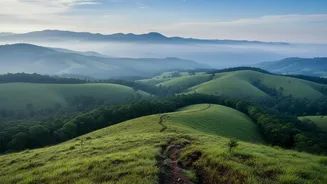
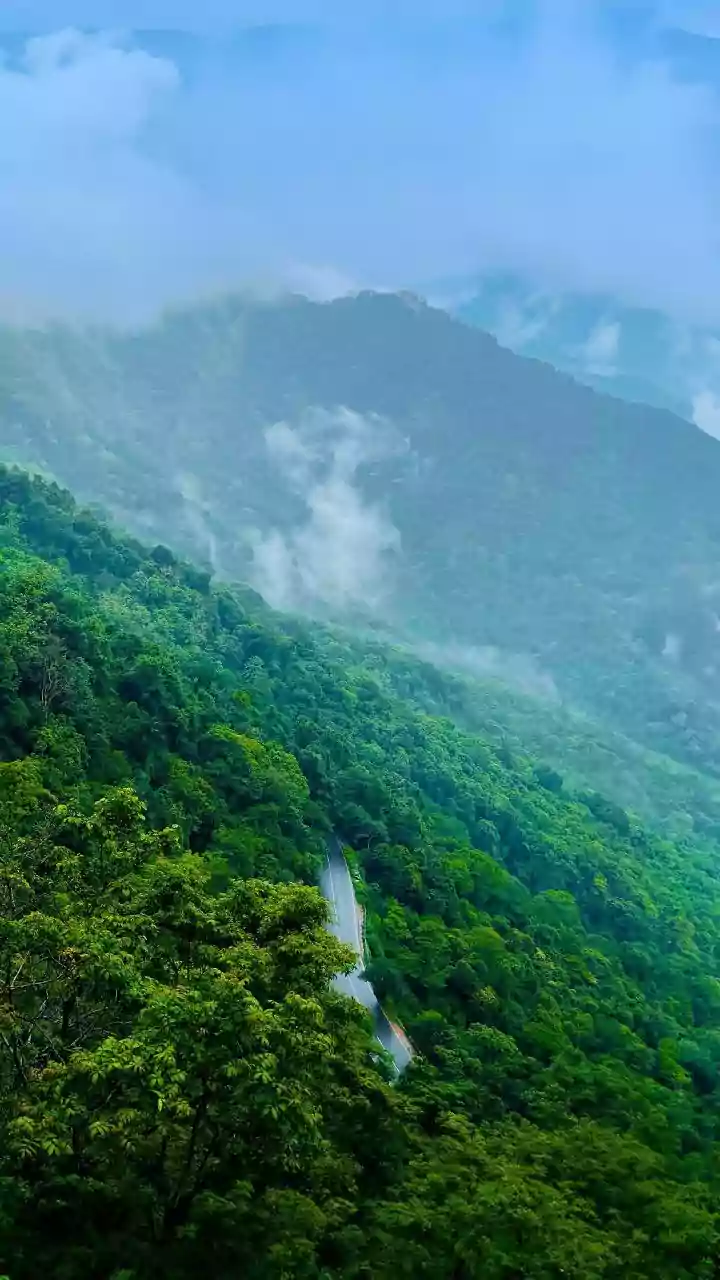
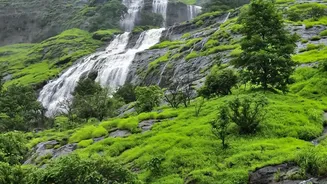
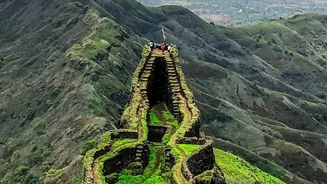
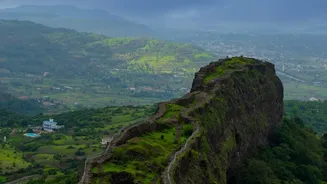
Trekking off-trail, especially during the monsoon, can cause significant environmental damage. The lush greenery is fragile, and trampling vegetation leads to soil erosion, which is a major concern on the rain-soaked slopes of the Ghats. Wandering off the path can also disturb wildlife and damage their habitats. Furthermore, it's a major safety risk; trails become confusing in fog and rain, and solo trekking is often restricted for this reason. Many states like Karnataka have made it mandatory to trek only on approved routes, often with a certified guide.
3. Respect Wildlife and Flora
The Western Ghats are a UNESCO World Heritage site, celebrated for their immense biodiversity. When you trek here, you are a guest in the home of countless species. Observe animals from a distance and never feed them. Feeding wildlife alters their natural behaviour and can make them dependent on humans. Avoid picking flowers or taking plant cuttings. Not only does this harm the ecosystem, but many plants are protected. Be mindful of smaller creatures, too. Leeches are common in the monsoon; use anti-leech socks or natural repellents rather than harmful chemicals.
4. Minimise Noise Pollution
Many people venture into nature to enjoy its sounds and find peace. Blasting music from portable speakers disrupts this tranquility and disturbs both wildlife and fellow trekkers. The sounds of the forest—the rain, the birds, the rustling leaves—are an integral part of the monsoon experience. If you must listen to music, use earbuds at a low volume. Keep conversations at a reasonable level, especially at campsites and viewpoints. Respecting the acoustic environment enhances the experience for everyone.
5. Be Prepared for 'Toilet' Etiquette
In the absence of permanent facilities, knowing how to manage human waste is crucial for protecting water sources and preventing the spread of disease. If you need to relieve yourself, walk at least 200 feet (about 70 steps) away from any trail, campsite, or water body like a stream or river. Dig a small cathole about 6-8 inches deep for solid waste. When you're done, cover the hole with the excavated soil and disguise it with natural materials like leaves. This practice helps waste decompose properly and keeps the environment clean and safe for others.
6. Choose Your Gear and Operator Wisely
Your choices before the trek even begins can have a big impact. Opt for reusable water bottles and containers to reduce waste. Wear appropriate clothing; synthetic quick-dry fabrics are far better than cotton, which absorbs water and can lead to discomfort and even hypothermia. When booking with a tour operator, choose one that explicitly follows sustainable and 'Leave No Trace' principles. Reputable operators will be properly licensed, use local guides, and adhere to safety and environmental regulations, ensuring your adventure supports conservation.