





What Are Travel Compression Pouches?
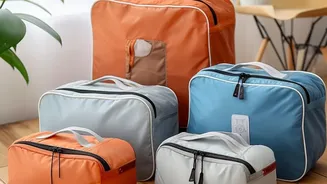
Travel compression pouches, often called vacuum bags, are sealable plastic bags designed to reduce the volume of soft goods like clothing and towels. By removing the air trapped between fabric fibres, they can compress bulky items significantly. There
are two main types: one requires a small hand pump or a vacuum cleaner to suck the air out, while the other—often more convenient for travel—allows you to roll the bag to push air out through a one-way valve. The result is a compact, dense brick of clothing that takes up a fraction of its original space in your luggage.
The Ultimate Weapon Against Humidity
The most underrated benefit of these pouches for a beach holiday is their fight against humidity. A key feature of these bags is their airtight seal. This seal doesn't just keep air out; it also prevents ambient moisture from seeping into your clean, dry clothes. In tropical destinations where the air can feel heavy with water, clothes left in a suitcase can quickly become limp and musty. By storing your outfits in these sealed pouches, they remain crisp and fresh until you're ready to wear them, completely protected from the damp environment.
Maximising Space for a More Versatile Wardrobe
The most obvious advantage is, of course, the incredible space savings. Beach towels, cover-ups, and extra evening outfits can quickly fill a carry-on. Compression bags can reduce the volume of these items by as much as 50 percent or more, depending on the fabric. This frees up valuable real estate in your suitcase for other essentials like shoes, toiletries, or souvenirs. It might even be the difference between needing a large checked bag and travelling light with only a carry-on, saving you both hassle and airline fees.
The Smart Way to Handle the Return Trip
Compression pouches are just as useful for the journey home. They serve as the perfect quarantine zone for damp swimwear, sandy towels, and dirty laundry. Sealing used clothes in a separate bag not only keeps them contained but also prevents moisture and odours from spreading to any clean items you're bringing back. This simple act of organisation can make unpacking a much more pleasant experience, protecting your suitcase and its other contents from mildew and sand.
Things to Consider Before You Compress
While compression bags are fantastic, they aren't without drawbacks. The primary concern is wrinkles. Squeezing clothes tightly can lead to deep-set creases, especially in fabrics like linen or cotton which are common for beachwear. Rolling your clothes before placing them in the bag can help mitigate this. Another critical point is weight. The bags reduce volume, not mass. It's easy to overpack and exceed airline weight limits, so be sure to weigh your suitcase after packing. Finally, avoid compressing delicate fabrics or structured items like down jackets, as the pressure can damage their fibres and shape.
Best Practices for Smart Compression
To get the most out of your pouches, follow a few simple rules. First, ensure all clothes are completely dry before sealing them to prevent mould and mildew growth. Organise your bags by clothing type or by outfit to make finding things easier at your destination. Don't overfill a single bag; use multiple smaller bags for more even compression and better organisation. For travel, roll-up style bags are often more practical than those requiring a pump, as you won't need to carry an extra accessory to repack for your return flight.