




A Healthier Prasad for a New Generation
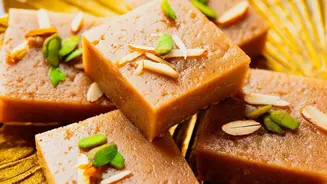
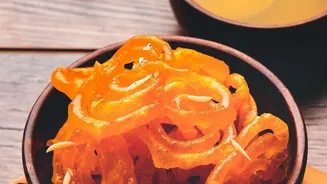
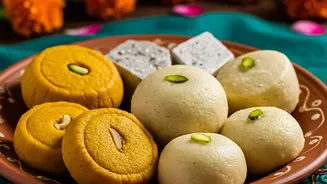
The spirit of Janmashtami is steeped in devotion, celebration, and of course, food. The 'bhog' or offerings to Lord Krishna often feature rich, milk-based sweets laden with sugar. While delicious, these treats can feel out of step with the growing health
and wellness consciousness, particularly among younger Indians. This has sparked a quiet revolution in festive kitchens. Youth-led food collectives, home chefs, and small startups are pioneering new ways to create traditional mithai that is both divine and diet-friendly. They are not rejecting tradition but evolving it, ensuring that the joy of festival feasting doesn't come with a sugar-crash hangover. This trend is about making conscious choices without compromising on the soul of the celebration.
The Innovators Redefining Mithai
Across cities like Mumbai and Delhi, a new brigade of food entrepreneurs is gaining popularity. These are not large corporations but small, often home-based, collectives driven by a passion for good food and well-being. They connect with customers through social media and word-of-mouth, offering curated menus for festivals like Janmashtami. Their philosophy is simple: use whole, natural ingredients. Refined sugar is the first to go, replaced by natural alternatives that offer sweetness without the empty calories. Their work is a response to a market demand from people who want to celebrate traditions in a way that aligns with modern, healthier lifestyles.
Swapping Sugar, Not Flavour
So how are they making these guilt-free sweets? The key lies in smart ingredient swaps. Instead of refined white sugar, these innovators are using jaggery, date paste, honey, figs, and even stevia. For instance, the classic Panjiri, a staple prasad, is being prepared with jaggery and packed with roasted nuts and seeds for extra nutrition. Laddoos, another festival favourite, are getting a makeover with oats, millets like ragi, and dates that act as a natural binder and sweetener. These 'energy bites' are a far cry from their sugar-syrup-soaked counterparts. Other creative recipes include Anjeer (fig) Peda, Dates Basundi, and kheer sweetened with natural alternatives, proving that flavour and health can go hand-in-hand.
Tradition Meets Modern Nutrition
This movement also involves a return to ancient Indian grains and superfoods. Flours like maida (refined flour) are being replaced with nutrient-dense options like buckwheat (kuttu), amaranth (rajgira), and various millets such as jowar and bajra. These ingredients, which have long been part of traditional fasting diets, are now being celebrated for their health benefits, including being rich in protein and fibre. Makhana (fox nuts) are another hero ingredient, finding their way into everything from kheer to roasted snacks. This fusion of traditional ingredients with modern nutritional science results in sweets that provide sustained energy, which is perfect for a day of fasting and celebration.
Bringing the Healthy Twist to Your Home
Embracing this healthy trend doesn't necessarily mean you have to buy from these new-age mithai-wallahs. You can incorporate these principles in your own kitchen. Start by reducing the sugar in your family's favourite recipes and replacing it with powdered jaggery or a paste of soaked dates. Instead of deep-frying, try roasting or baking. A handful of nuts and seeds like almonds, cashews, and melon seeds can enhance the taste and nutritional value of any sweet dish. You can make simple Date & Nut Energy Bites by blending seedless dates with roasted nuts. Or try making Sattu Laddoos by roasting the flour and combining it with melted jaggery or date paste and a spoonful of ghee. These small changes can make a big difference, allowing your family to indulge mindfully this festive season.