


The Squeeze of Urban Life
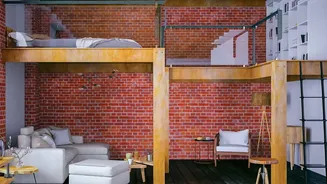
Across India's major cities, from Mumbai to Bengaluru, a new reality is taking shape. Rapid urbanization and rising property costs mean that living spaces are becoming smaller. Reports indicate that the average apartment size in top cities has shrunk
significantly over the last decade. This is especially true for millennials and Gen Z, who often move for career opportunities and prefer renting in central urban locations. This transient, fast-paced lifestyle, combined with smaller floor plans, presents a unique set of challenges. Suddenly, that large, inherited wooden sofa or a bulky, fixed-frame bed becomes less of a beloved heirloom and more of a logistical nightmare. Getting oversized furniture up narrow stairwells or fitting it into a multi-functional living room becomes a frustrating puzzle.
Why Traditional Furniture Falls Short
Traditional furniture, often built as solid, single pieces, was designed for an era of larger, more permanent homes. It is typically heavy, difficult to move, and inflexible. In a modern apartment that might need to function as an office by day, a living room by night, and a guest room over the weekend, this rigidity is a major drawback. For renters, the problem is magnified. A piece that perfectly fits one apartment may be completely wrong for the next, leading to the costly and wasteful cycle of selling or discarding furniture with every move. The lack of adaptability means traditional pieces often fail to make the most of limited space, leaving rooms feeling cluttered and smaller than they are.
Enter Modular: Furniture That Adapts to You
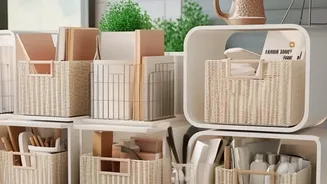
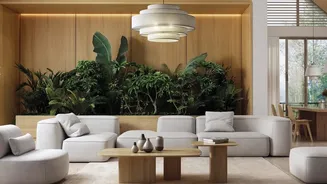
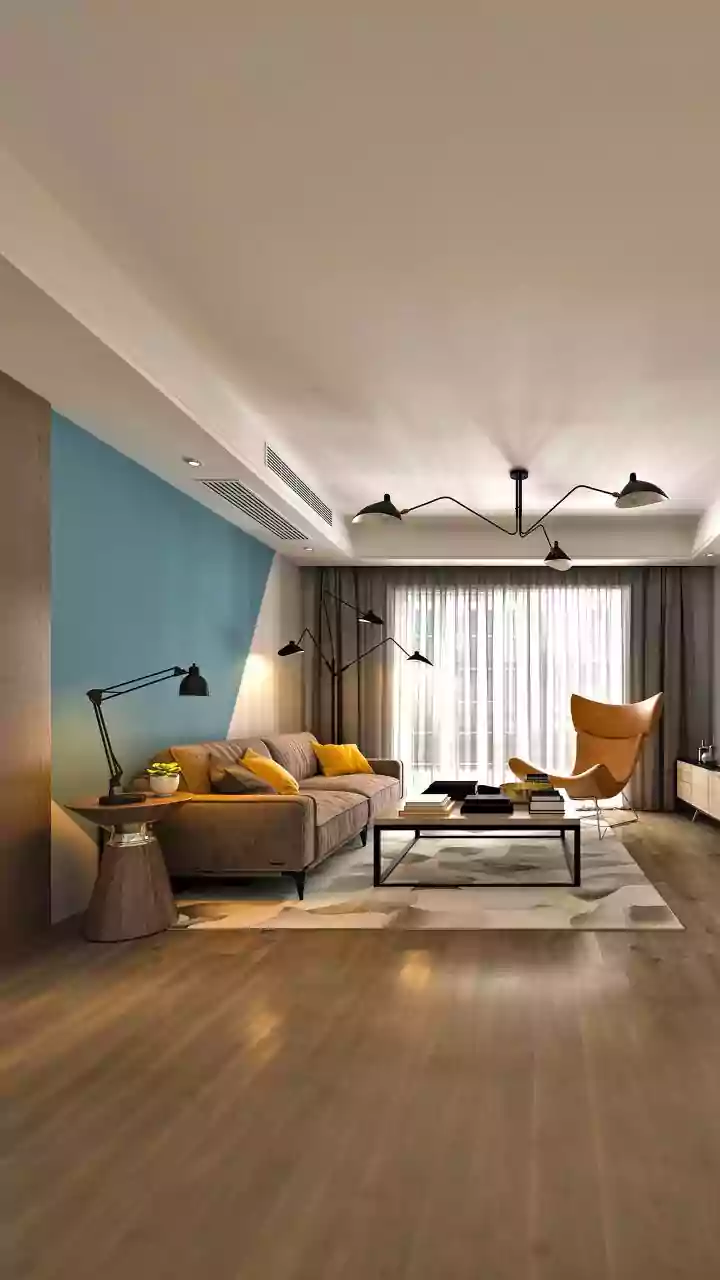
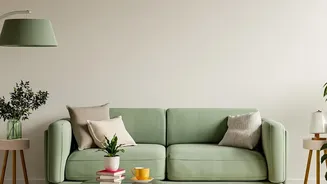
In response to these challenges, modular furniture has emerged as a practical and stylish solution. Think of it as building blocks for your home. Modular furniture consists of separate, interchangeable units—or modules—that can be combined in various configurations. A sofa can be arranged as an L-shape, a straight three-seater, or even broken into separate chairs. A shelving unit can be expanded, reduced, or reconfigured as storage needs change. This flexibility is its greatest strength. It allows homeowners and renters to customize their layouts to perfectly fit a specific room, maximizing every square inch. Because it can be disassembled, it's also incredibly easy to move, fitting through tight doorways and staircases without hassle.
More Than Just Convenience
The appeal of modular furniture goes beyond just practicality. For many, it offers a sense of control and personality in spaces, like rentals, that can otherwise feel temporary and restrictive. The ability to change a layout or add a new module provides an outlet for creativity without requiring a complete overhaul. This adaptability also brings a sense of emotional stability for frequent movers; a familiar sofa, reconfigured for a new space, can instantly make a new apartment feel like home. Furthermore, the trend aligns with a growing interest in sustainability. By investing in furniture that can adapt and grow with them, consumers are moving away from the throwaway culture associated with poorly made, trend-based items. Instead of buying new, you can simply add or replace a single module.
The Indian Market Responds
The Indian furniture market is experiencing a significant boom, with modular designs leading the charge. Market reports project substantial growth in the coming years, driven by urbanization and rising demand from a style-conscious middle class. Both innovative startups and established brands are catering to this demand, offering everything from modular kitchens to customizable wardrobes and living room sets. These companies understand that modern Indian consumers want furniture that is not only space-efficient and functional but also aesthetically pleasing. With the rise of e-commerce platforms, these solutions are more accessible than ever, allowing people across the country to design homes that are smart, flexible, and truly their own.