



Hyderabad's High-Tech Space Kitchen
While the dream of space travel often conjures images of rockets and celestial bodies, the practical reality of living in orbit is far more granular. A crucial piece of this puzzle is food, and scientists in Hyderabad are at the forefront of developing
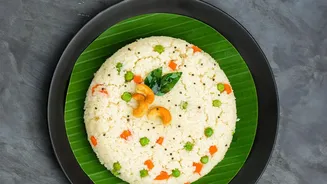
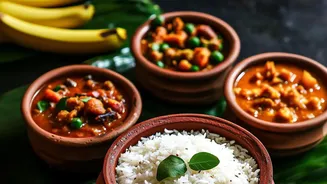
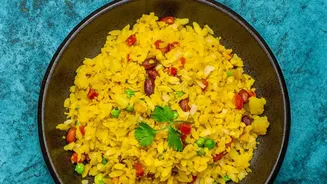
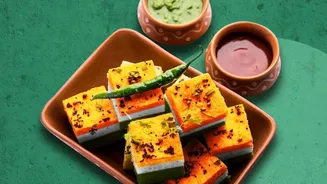
a menu fit for India's space pioneers. The city's prestigious ICMR-National Institute of Nutrition (NIN) has begun crafting specialized meals for the Gaganyaan programme. Their work moves beyond simple sustenance, focusing on creating nutrient-dense, compact, and psychologically comforting food. The menu being developed includes familiar tastes of home, such as khichdi, alongside items like mutton rolls and chicken nuggets, ensuring the crew has a diverse and appealing diet. This initiative highlights a major step in India's journey towards self-reliance in all aspects of human spaceflight.
The Science of Eating in Zero Gravity
Developing food for space is a monumental scientific challenge. It's not just about taste; it's about physics, biology, and psychology. In the microgravity environment of a spacecraft, even a simple crumb can become a hazard, floating into sensitive equipment or an astronaut's eye. Food must be designed to be crumb-free, easy to handle, and have a long shelf life while retaining its nutritional value. Scientists at NIN are tackling this head-on. They are planning to participate in a 14-day microgravity simulation study to understand how different food formulations will behave in space. The meals are being developed in semi-solid, ready-to-eat, and dehydrated forms that can be easily reconstituted with water. These preparations must ensure that astronauts receive a careful balance of micronutrients, antioxidants, and Vitamin D, with controlled levels of sodium and fibre to maintain health in the unique conditions of space.
A Taste of Home, Miles Above Earth
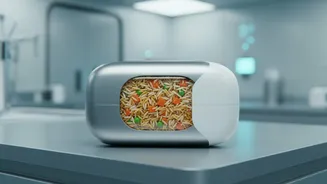
The psychological impact of food cannot be overstated, especially for astronauts isolated in a confined environment far from home. Providing familiar dishes is a key strategy for boosting morale and combating the stress of a space mission. While the Defence Food Research Laboratory (DFRL) in Mysuru has already developed an extensive menu of over 30 Indian dishes like idli-sambar, veg pulav, and moong dal halwa, the work in Hyderabad complements this effort by focusing on nutritional science and new menu items. The collaboration ensures that the final menu for Gaganyaan will be both scientifically sound and culturally resonant. Adding to the Hyderabad connection, Ananth Technologies, a local firm with a long history of contributing to space missions, is reportedly developing a 'smart tiffin box' — a specialized container with sensors to monitor the food being carried by the crew, adding another layer of safety and control.
The Challenge of Qualification
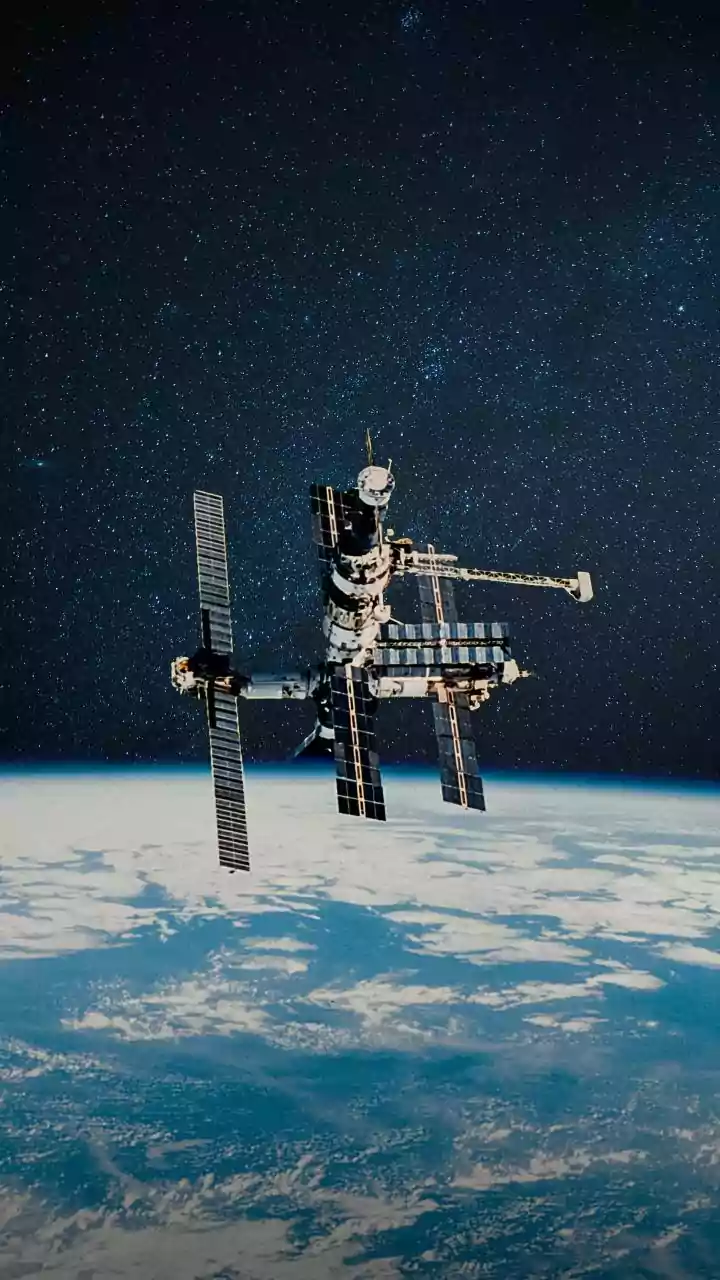
Getting food approved for spaceflight is an incredibly rigorous process. Each item must undergo extensive testing for safety, stability, and compatibility with the spacecraft's systems. The difficulty of this process was recently highlighted by astronaut Shubhanshu Shukla. He revealed that for a recent mission to the International Space Station, a large menu of Indian dishes was prepared by DFRL, but due to the lengthy and complex qualification tests, only three items — Gajar Ka Halwa, Moong Dal Ka Halwa, and Amras — could be certified in time. This experience underscores the immense technical hurdles that food developers must clear. Every meal sent to space must be guaranteed to be safe and perform flawlessly, a standard that India's food scientists are working diligently to meet for the Gaganyaan mission.