


What is the Helicopter Shot?
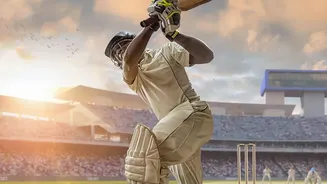
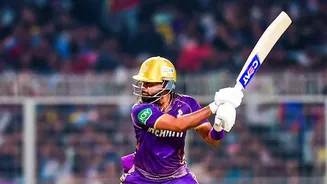
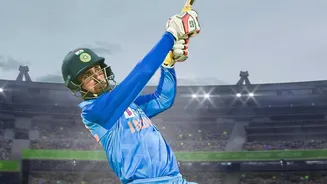
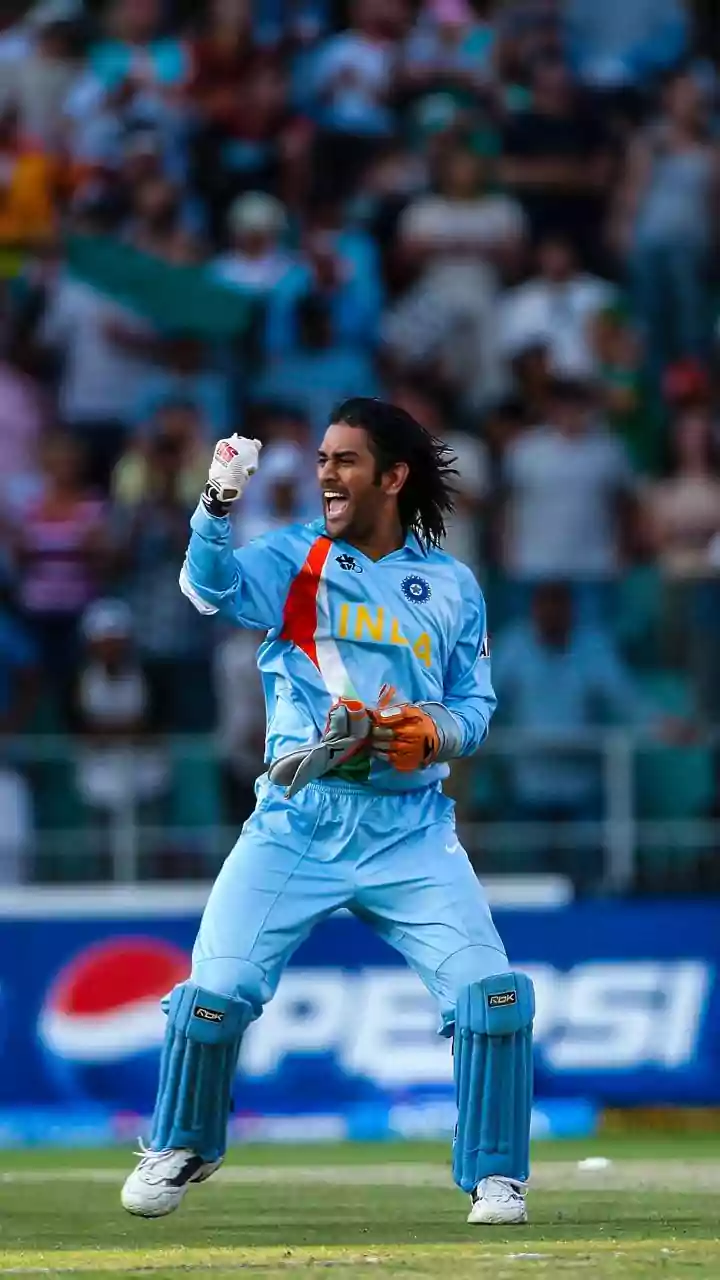
The helicopter shot is an unconventional cricket stroke defined by its dramatic, whirring follow-through that resembles the blades of a helicopter. Popularised and perfected by former Indian captain Mahendra Singh Dhoni, it's a high-risk, high-reward
manoeuvre. It is specifically designed to counter one of the most difficult deliveries in cricket: the yorker. A yorker is a ball bowled to land right at the batsman's feet, making it incredibly hard to get under and hit for power. The helicopter shot transforms this defensive situation into an aggressive, boundary-scoring opportunity by using a unique combination of wristwork and bat speed.
The Engine Room: Wrists, Torque, and Bat Speed
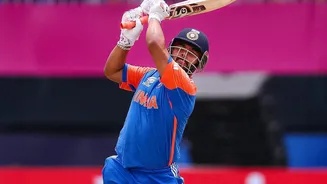
At its core, the power of the helicopter shot comes from generating immense torque through a rapid wrist-flick at the point of impact. Torque is a rotational force. Think of how you turn a doorknob; you apply torque. In this shot, the batsman uses their bottom hand and incredibly strong wrists to whip the bat downwards and through the line of the ball. This action generates massive bat speed in a very short amount of time. Unlike a conventional drive that relies on a straight bat and timing, the helicopter is about creating a violent, whip-like effect. This motion, beginning with a high backlift for momentum, allows the batsman to dig out a low delivery and impart both power and elevation simultaneously.
The Physics of Flight: Angular Momentum
The shot gets its iconic name from the follow-through, and this is where another key physics principle comes into play: the conservation of angular momentum. Angular momentum is the rotational equivalent of linear momentum; it's the measure of an object's tendency to keep spinning. As the batsman makes contact, the explosive wrist action initiates the shot. The dramatic, circular follow-through is a natural consequence of the immense rotational force generated. This extended arc isn't just for show; it ensures that maximum energy is transferred to the ball for as long as possible. This complete, uninhibited rotation of the bat and arms helps maintain balance and directs the ball with incredible force, often sending it deep into the stands.
The Kinetic Chain: A Full-Body Effort
While the wrists get all the attention, the helicopter shot is a full-body movement that relies on a coordinated sequence known as the kinetic chain. The power originates from the ground up. A stable base, with feet set apart, is crucial. The batsman often clears their front leg slightly to create room for the rapid, arcing bat swing. Power flows from the legs and hips, through the core, and into the shoulders, arms, and finally, the wrists. This sequence ensures that the body's entire force is channelled into the bat at the moment of impact. Without this stable base and core engagement, the sheer rotational force of the shot could easily pull a batsman off their feet.
A High-Skill, High-Risk Masterpiece
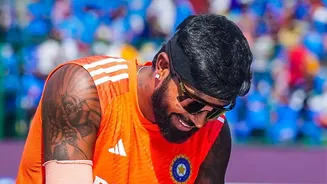
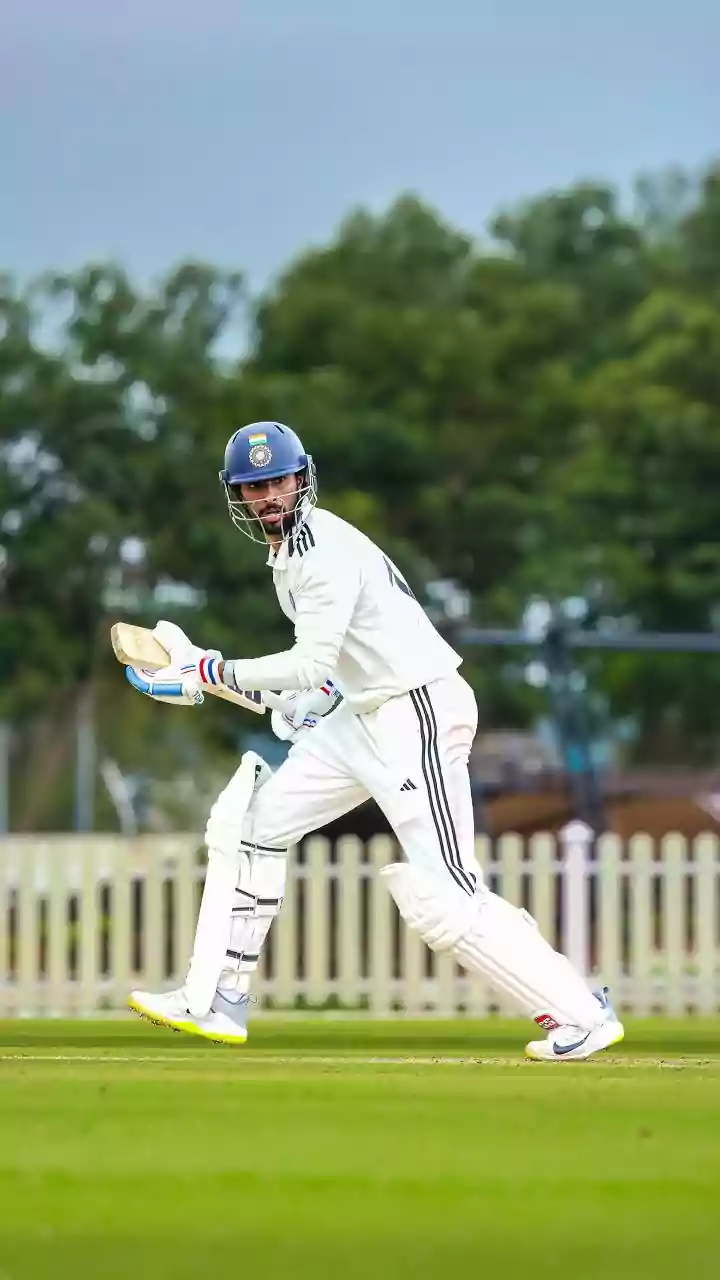
For all its scientific elegance, the helicopter shot remains one of the most difficult and risky strokes to execute in cricket. The timing has to be perfect. Mistime it, and you risk the ball going straight up for an easy catch, or worse, injury. It demands exceptional hand-eye coordination, incredible wrist and forearm strength, and immense practice to master. It’s a shot born from innovation, a direct challenge to the bowler's most potent weapon. While MS Dhoni is its most famous practitioner, other powerful players like Hardik Pandya and Rashid Khan have also added it to their arsenal, a testament to its devastating effectiveness in the modern game.