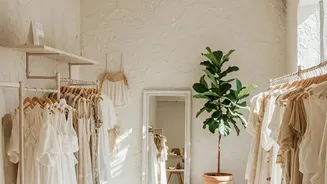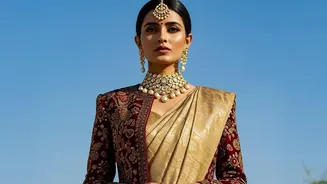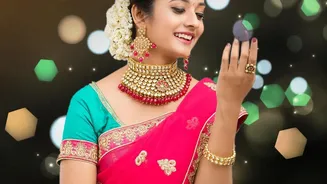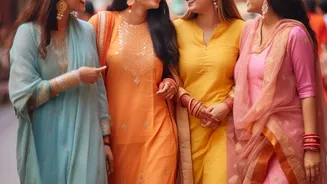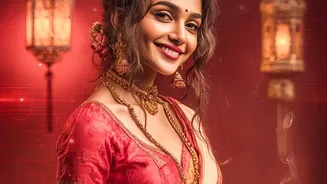


The Indian wedding wardrobe is undergoing a seismic shift. Moving beyond single-use heavy lehengas, 2026 is all about sharp, contemporary tailoring that champions versatility, comfort, and a powerfully modern aesthetic for festive dressing.
The Dawn of the Tailored Silhouette
For years,
festive Indian fashion was defined by elaborate drapes, intricate embroidery, and voluminous skirts. While beautiful, these outfits often came with a 'wear once' expiry date. The shift in 2026 is towards something more permanent and personal. Contemporary tailoring is introducing clean lines, structured forms, and architectural drapes into the ethnic wardrobe. Think less about overwhelming embellishment and more about the power of a perfect cut. This trend isn't about replacing traditional wear but augmenting it with pieces like sharp blazers, tailored trousers, and structured jackets that blend seamlessly with sarees, lehengas, and kurtas. The result is a look that feels both rooted in heritage and aligned with a global, modern sensibility.
Meet the New Festive Staples
The beautifully tailored pantsuit is perhaps the hero of this new wave. Rendered in rich silks or brocades, and often featuring zardozi or tonal embroidery, it offers a powerful alternative to the gown or lehenga for a reception or cocktail event. Similarly, co-ord sets—matching tops and bottoms, often sharara pants or palazzos—provide a polished, cohesive look with minimal effort. Pre-draped sarees that incorporate pant styles or structured draping offer the elegance of the nine yards without the fuss, built for a woman who wants to dance at her own wedding. Another key piece is the statement jacket or blazer, which can be thrown over anything from a simple silk slip dress to a lehenga skirt, instantly transforming the look. These pieces are modular, designed to be mixed, matched, and re-worn.
Why Comfort and Versatility Now Reign Supreme
This fashion evolution is driven by a fundamental change in mindset. The modern Indian woman is seeking more from her wardrobe. Comfort is no longer a luxury but a necessity, especially during multi-day wedding celebrations. Lighter, breathable fabrics like organza, tissue, and Chanderi silk are replacing heavy velvets, allowing for movement and ease. More importantly, there is a growing desire for sustainability, not just in an environmental sense, but in a practical one. Shoppers are moving away from the 'single-use' mentality and investing in high-quality, versatile pieces that can be styled differently for multiple occasions. A blazer bought for a sangeet can be worn to an office party; a lehenga skirt can be paired with a crisp white shirt for a friend's brunch. It's about building a smarter, harderworking festive wardrobe.
How to Incorporate Tailoring into Your Wardrobe
Embracing this trend doesn't require a complete overhaul. Start by thinking of your existing ethnic outfits as components. That heavy lehenga skirt you wore once? Pair it with a new, structured corset blouse or a simple, well-fitting blazer. The ornate dupatta from a suit set can be draped over a plain silk tunic and tailored trousers. Invest in one key tailored piece, like an embroidered jacket in a neutral or jewel tone, and use it to layer over what you already own. When pairing, let one element be the hero; if the blazer is heavily embroidered, keep the outfit underneath simple. The goal is to create balance between the structured and the fluid, the traditional and the modern, for a look that is uniquely yours.