


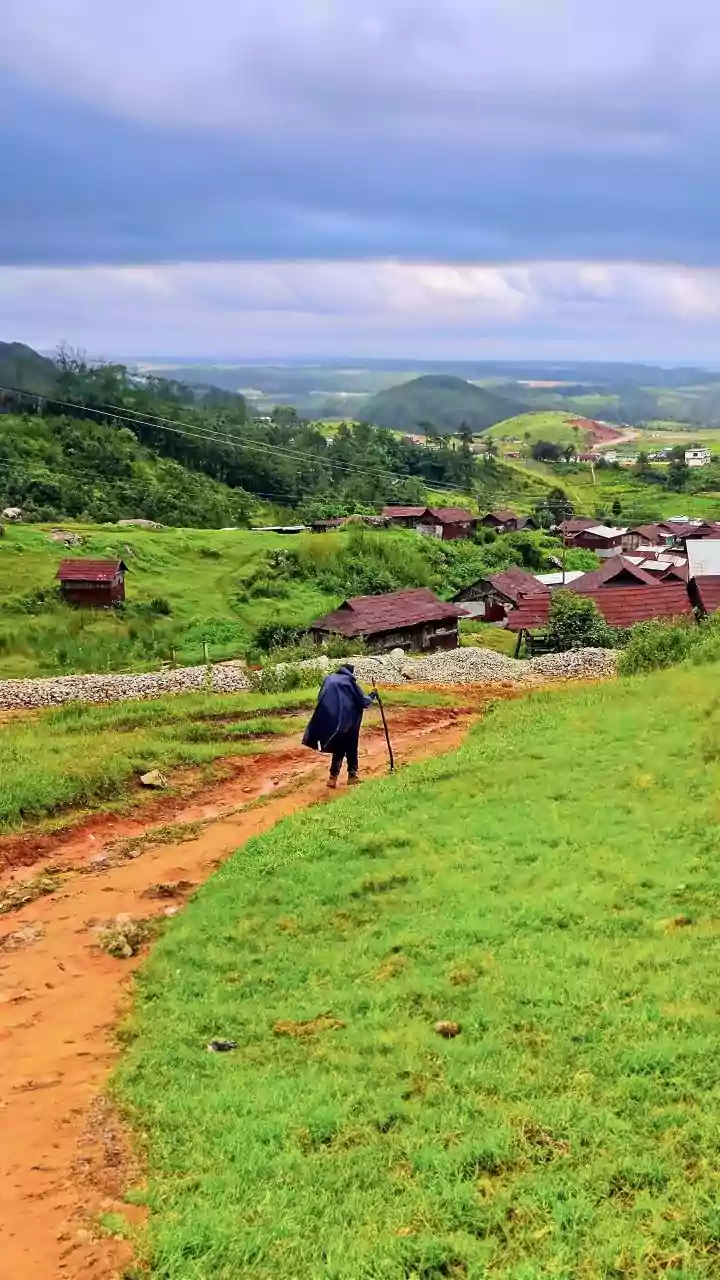

Understand the Monsoon Withdrawal Pattern
September is not a clean switch from wet to dry. The southwest monsoon retreats in a staggered manner, a process that can take weeks. According to the India Meteorological Department (IMD), the withdrawal typically begins from northwest India around mid-September
and moves southeast, often reaching the southern peninsula only by October. This means that while Rajasthan might be dry, parts of the Himalayas and the Western Ghats could still be receiving significant rainfall. Before booking, check the IMD's updates on the monsoon's progress. A delayed withdrawal could mean more rain and cloud cover than you anticipated, especially in states like Uttarakhand, Himachal Pradesh, and West Bengal.
Analyse Regional Rain and Landslide Risks
A general forecast for a state isn't enough. Heavy rains in the preceding months saturate the soil, increasing the risk of landslides and flash floods, particularly in the Himalayas and the Western Ghats. Recent reports from early September 2026 show that regions like Himachal Pradesh and Uttarakhand continue to face disruptions from landslides and heavy rain, with dozens of roads blocked. Before finalising your destination, consult the websites of the state's disaster management authority and local news outlets for specific advisories on road conditions and vulnerable areas. Be cautious about destinations like Manali, parts of Uttarakhand, Darjeeling, and Gangtok, which are known to be prone to such disruptions during this period.
Look Beyond Temperature Forecasts
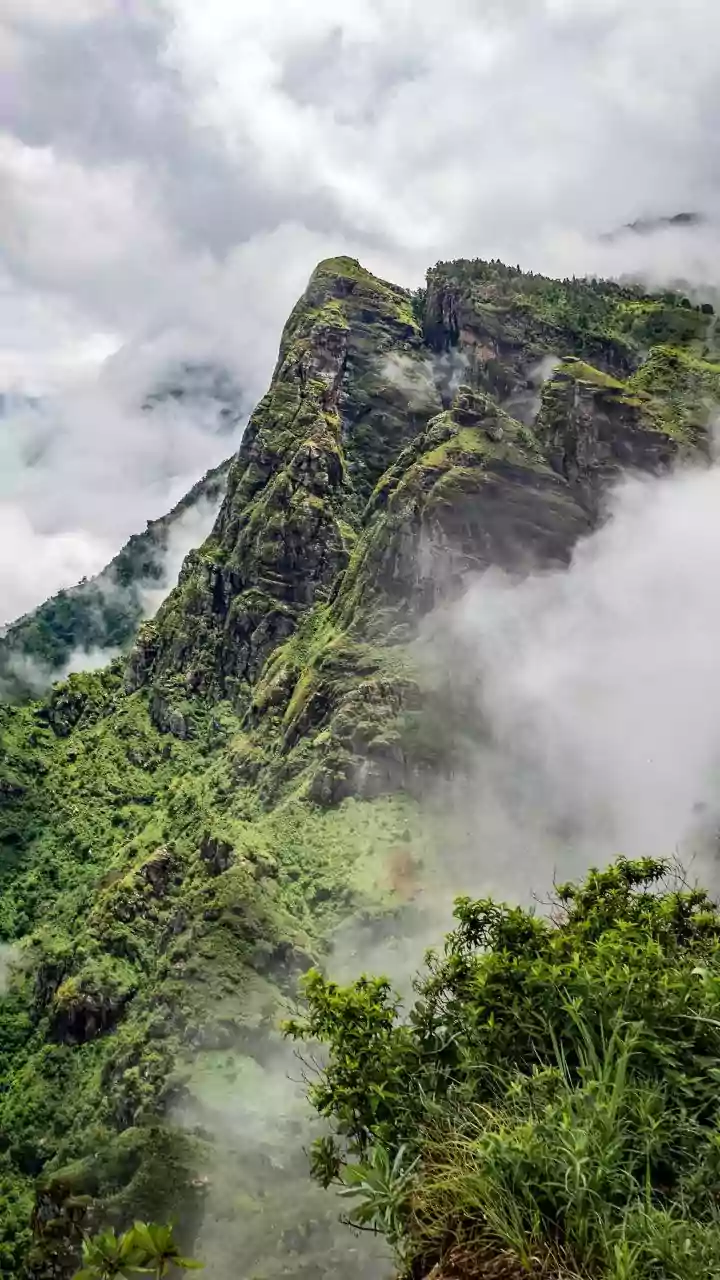
While the temperature in places like Shimla or Munnar might look pleasant, it doesn't tell the whole story. Check the forecast for humidity, precipitation probability, and cloud cover. High humidity can make days feel warmer and less comfortable, while persistent cloud cover might obscure the very mountain views you travelled for. In hill stations like Mahabaleshwar, September is known for heavy mist and clouds that can completely hide viewpoints. Also, check for alerts on thunderstorms, which can be frequent in the post-monsoon period and may affect trekking or other outdoor plans.
Verify Accessibility and Operational Hours
Don't assume everything will be open. Some trekking routes, national parks, and adventure sports facilities may remain closed due to safety concerns from the monsoon. For instance, many high-altitude passes and trails can be slippery and dangerous. Conversely, some areas like Spiti Valley become more accessible in September as the risk of monsoon-related roadblocks on the approach routes from Manali lessens. Always call ahead to your hotel, local tour operators, or the tourism department to confirm that the specific attractions and activities you're interested in are operational.
Choose Your Destination and Packing List Wisely
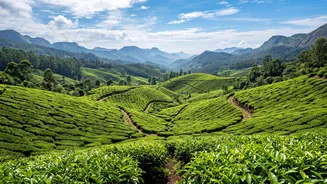
Different regions offer vastly different September experiences. High-altitude deserts like Spiti Valley in Himachal Pradesh are often dry and clear. Hill stations in the south, like Ooty and Munnar, are emerging from the monsoon, offering lush greenery but with lingering chances of rain. The Western Ghats might be alive with post-monsoon flora, like the Kaas Plateau, but will still be wet. Your packing list should reflect this. For any hill trip in September, waterproof shoes with good grip are non-negotiable. Pack quick-drying synthetic fabrics and multiple layers—a light fleece for the evenings and a waterproof jacket for sudden showers are essential. An umbrella, a basic first-aid kit with medication for colds and flu, and a reliable insect repellent are also wise additions.