


A recent incident involving the rescue and subsequent fining of six Indian tourists in Nepal has put a sharp focus on trekking regulations. For travellers from India, understanding these rules is now more critical than ever for a safe journey.
What Exactly Happened in Nepal?
On November
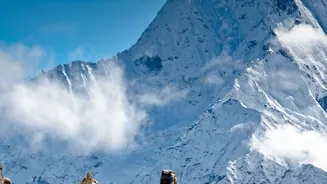
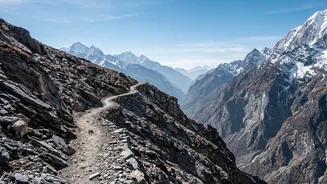
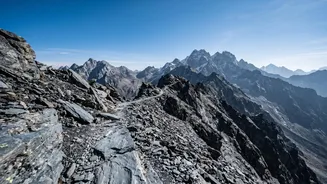
2, 2026, six Indian tourists were rescued by helicopter from the remote Upper Dolpa region after being stranded by heavy snowfall. The group had reportedly trekked into a restricted area without the necessary permits and had disregarded official warnings about severe weather conditions. According to Nepali officials, the trekkers became stranded near high mountain passes after losing contact on October 31. Following their safe evacuation to Dunai, the district headquarters, the tourists were fined for violating regulations. The rescue operation cost the local disaster management fund an estimated one million rupees.
Understanding the Penalties
The penalties were not arbitrary but were based on existing laws for entering restricted trekking zones. The group was collectively charged NPR 1.6 lakh, which covered both the mandatory permit fees they had failed to pay and a reduced fine. While the law allows for a fine of up to NPR 50,000 per person, authorities showed leniency, charging NPR 20,000 each. The incident highlights Nepal's increasing seriousness about enforcing its trekking rules to ensure tourist safety and manage its natural resources responsibly.
Why Nepal is Enforcing Stricter Rules
This event is part of a broader push by Nepal to enhance safety and accountability in its tourism sector. For years, the country has grappled with issues like trekkers getting lost and a rise in fraudulent helicopter rescues designed to scam insurance companies. In response, authorities have implemented rules making it mandatory for trekkers in many areas to hire a licensed guide and obtain a Trekkers' Information Management System (TIMS) card through a registered agency. These measures are designed to prevent accidents, track trekkers' whereabouts, provide local employment, and curb illicit activities that damage Nepal's reputation.
Your Essential Safety Checklist for Nepal
While Nepal remains an incredibly welcoming destination for Indian tourists, preparation is key. A visa is not required, but you must carry a valid Indian Passport or an original Election Commission Voter ID card for air travel. Before you trek, ensure you have the following sorted:
Permits are Non-Negotiable: Always secure the correct trekking permits for your route, especially for restricted areas like Upper Dolpa or Manaslu. Your registered trekking agency can handle this.
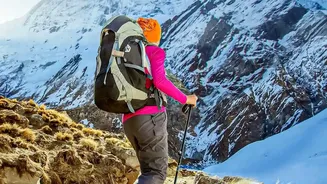
Hire a Licensed Guide: As of 2026, hiring a licensed guide is compulsory for most trekking regions. They are essential for navigation, safety, and emergency assistance.
Check the Weather: Always monitor local weather forecasts before and during your trek. Heed warnings from authorities, as conditions in the Himalayas can change rapidly.
Get Travel Insurance: Comprehensive travel insurance that specifically covers high-altitude trekking and emergency helicopter evacuation is crucial. The absence of insurance complicated the recent rescue operation in Dolpa.
* Use Registered Agencies: Book your trek through a government-registered company. They are accountable for ensuring all regulations are met. The agency involved in a separate incident with Belgian tourists was recently fined for permit violations.
Know Before You Go
Beyond trekking permits, Indian travellers should be aware of other local regulations. Carrying Indian currency notes of ₹500 and ₹2,000 is prohibited; it is best to carry smaller denominations up to the legal limit of ₹25,000 INR. While UPI is becoming more common, it's wise to carry a mix of cash and cards. For any emergency, the Tourist Police can be reached by dialling 1144. Staying informed and respecting local laws not only ensures your safety but also supports Nepal’s efforts to promote sustainable and responsible tourism.