



Fabric Is Your Foundation
The most important decision you'll make for travel laundry happens at the store, not the hotel sink. Fabric choice is everything. While cotton is comfortable, it absorbs significant moisture and dries slowly, making it impractical for on-the-go washing.
Instead, build your travel wardrobe around quick-drying materials. Synthetics like polyester and nylon are hydrophobic, meaning they absorb very little water and can dry in a few hours. Polyester is particularly fast-drying, often in as little as an hour in direct sun. Merino wool is another travel superstar; it's naturally odour-resistant, meaning you can wear it multiple times before a wash is necessary, and it wicks moisture well. While merino dries slower than synthetics, it's still much faster than cotton. Look for blends that combine the best of both worlds, such as merino blended with nylon for added durability and faster drying.
Embrace the Capsule Wardrobe
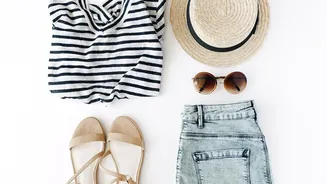
Packing less is the first step to doing less laundry. A capsule wardrobe—a small collection of versatile items that can be mixed and matched—is the answer. Instead of packing specific outfits for each day, choose a cohesive colour palette and pieces that work together in multiple combinations. A popular formula for a one- to two-week trip is the 5-4-3-2-1 method: five tops, four bottoms, three layers, two pairs of shoes, and one dress or accessory item. This strategy forces you to be intentional and ensures every piece pulls its weight. By packing items that can be layered and styled differently, you can create fresh looks without needing a fresh garment every time, significantly cutting down on the volume of clothes that will need washing.
Strategise Your Drying Time
Your ability to wash clothes is limited by your ability to dry them. Before your trip, consider the climate of your destination and the drying properties of your chosen garments. Many accommodations, particularly in Europe, may not have clothes dryers, making air-drying your only option. This is where fabric choice becomes critical again. A quick-drying polyester shirt might be ready to wear overnight, while heavier fabrics could take a day or two, especially in humid weather. A good practice is to wash clothes in the evening and hang them to dry overnight. To speed things up, use the “towel roll” technique: lay the wet garment on a dry towel, roll them up together tightly, and press to transfer excess moisture before hanging. Always hang items in a well-ventilated area or near a window to maximize airflow.
Assemble a Lightweight Laundry Kit
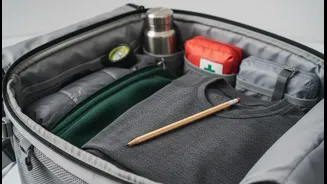
You don't need much to effectively wash clothes on the road. A compact travel laundry kit can save you money and hassle. The cornerstone of your kit is detergent. Laundry detergent sheets are a game-changer; they are solid, lightweight, pre-measured, and leak-proof. Alternatively, a small bar of laundry soap or a travel-sized bottle of liquid detergent works well. Other essential items include a universal sink stopper (as many hotel sinks lack them), a stain remover pen for spot treatments, and a portable clothesline with clips for easy drying. For separating worn clothes from clean ones, a simple laundry bag or even a designated packing cube is sufficient.
Master the Sink Wash
The hotel sink is a time-tested tool for the travelling launderer. The process is simple: plug the sink, fill it with lukewarm water, and add a small amount of detergent. Swish your clothes around for a couple of minutes, let them soak for about 10 minutes, and then rinse thoroughly under clean water until the soap is gone. Gently squeeze out excess water—never wring delicate fabrics, as it can damage the fibres. For larger loads, the bathtub can be used. If you anticipate washing clothes frequently or will be away from conventional accommodations, a portable wash bag like the Scrubba can be a worthwhile investment. These bags have internal nodules that act as a flexible washboard, providing a machine-quality wash in minutes.