




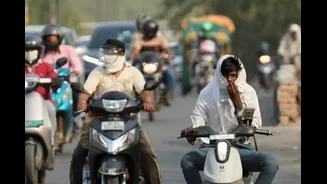
What is GRAP and Why Was It Activated?
The Graded Response Action Plan, or GRAP, is an emergency response mechanism designed to be implemented in stages to fight rising air pollution in the Delhi-NCR region. It is a pre-emptive system that doesn't wait for the air to become 'severe' but kicks
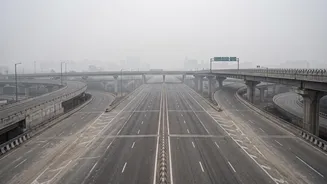
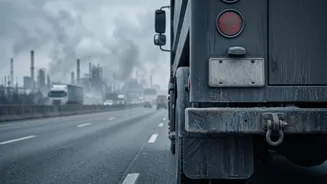
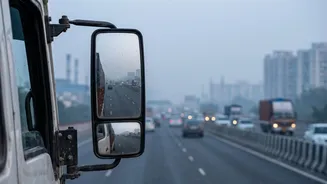
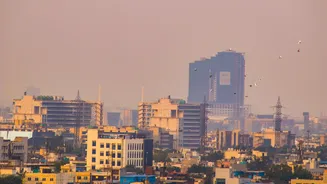
in with early measures to prevent the situation from worsening. On October 21, 2026, the Commission for Air Quality Management (CAQM) enforced Stage 1 of GRAP after Delhi's average Air Quality Index (AQI) rose to 244, crossing the threshold from 'moderate' to 'poor'. An AQI between 201 and 300 is classified as 'poor'. Forecasts from the India Meteorological Department (IMD) suggest that air quality is likely to remain in this category in the coming days, necessitating the immediate enforcement of these rules.
The Key Rules Under Stage 1
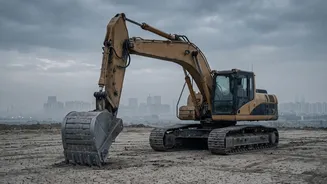
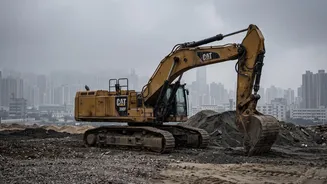
Stage 1 focuses heavily on controlling major sources of coarse particulate matter like dust and smoke. One of the most significant rules is a strict enforcement of dust control norms at all construction and demolition sites. This includes measures like covering debris and sprinkling water. There is also a complete ban on open burning of garbage, leaves, and other waste materials. Authorities will increase the frequency of mechanised road sweeping and water sprinkling, especially on high-traffic corridors, to settle dust. For businesses, restrictions are now in place on the use of coal and firewood in tandoors at hotels and restaurants. Furthermore, the use of diesel generator sets is restricted and is only allowed for emergency and essential services as specified by regulations. All these measures apply across the entire NCR, including adjoining areas in Haryana, Uttar Pradesh, and Rajasthan.
How This Affects Your Daily Life
For most residents, the immediate impact of Stage 1 is not a drastic disruption of daily routines, as there are no restrictions on private vehicles or the odd-even scheme at this stage. However, enforcement against visibly polluting vehicles will be intensified. It is crucial to ensure your car or two-wheeler has a valid Pollution Under Control (PUC) certificate, as vehicles without one can be denied fuel. Existing rules that ban petrol vehicles older than 15 years and diesel vehicles older than 10 years from plying in Delhi remain strictly in force. You may notice more frequent road cleaning and water sprinkling activities in your area. The primary goal is to curb pollution at its source before it escalates to levels that would require more stringent measures like school closures or work-from-home mandates, which fall under later stages of GRAP.
Understanding the Next Stages
GRAP is designed as a four-stage plan, and the measures become progressively stricter as the air quality worsens. Stage 2 ('Very Poor' AQI between 301-400) involves increasing parking fees to discourage private transport and running more metro and bus services. Stage 3 ('Severe' AQI between 401-450) triggers more significant restrictions, including a ban on BS-III petrol and BS-IV diesel four-wheelers in Delhi, Gurugram, Faridabad, Ghaziabad, and Gautam Buddh Nagar. Stage 4 ('Severe Plus' AQI above 450) is the most stringent level, which may involve banning trucks from entering Delhi and could lead to states considering the odd-even vehicle rule. The CAQM continuously monitors the AQI and weather forecasts to decide if and when a higher stage needs to be invoked.