






The Era of Appointment Viewing
For decades, daily soap operas were the undisputed kings of Indian entertainment. Shows with sprawling family sagas, dramatic plot twists, and lavishly dressed characters became a cultural staple. Entire families would structure their evenings around
these shows, making 'appointment viewing' a ritual. The narratives, often centred on domestic politics and idealised family values, were designed for longevity, with some series running for thousands of episodes over many years. Producers would even stretch out popular plot points like a wedding or a misunderstanding for weeks, guided by weekly viewership ratings (TRPs). While these shows commanded massive audiences, their formulaic nature, repetitive content, and often regressive themes began to feel dated, especially for a younger, more globally-exposed generation.
A Technological Tsunami
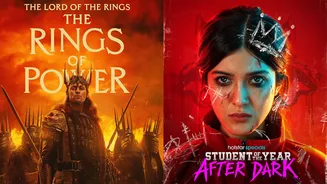
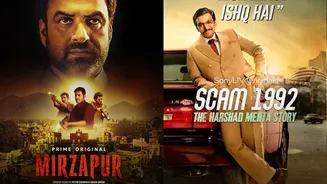
The ground began to shift with a technological tsunami: the widespread availability of affordable smartphones and, crucially, some of the cheapest mobile data plans in the world. This combination put a powerful entertainment device into the hands of hundreds of millions of Indians. Suddenly, viewers were no longer tethered to the living room television set and its rigid schedule. The rise of Over-the-Top (OTT) platforms like Netflix, Amazon Prime Video, and homegrown services like JioHotstar and SonyLIV provided an alternative. By 2026, India's OTT audience had swelled to nearly 665 million, with about 45% of the population watching videos online.
A New Chapter in Storytelling
The content offered by these new platforms was a breath of fresh air. Web originals introduced Indian audiences to finite, tightly-written narratives with clear beginnings and endings, a stark contrast to the never-ending sagas of daily soaps. Creators, free from the constraints of television censorship, began exploring a wider range of genres and complex themes—crime thrillers, political dramas, dark comedies, and nuanced social issues that were previously taboo. Characters became more realistic and morally ambiguous, reflecting the complexities of modern Indian life rather than the black-and-white archetypes of traditional TV. This new wave of storytelling resonated deeply with a younger, tech-savvy audience that craved relatable and challenging content.
From Passive Audience to Active Consumer
This shift represents more than just a change in technology; it's a fundamental change in the viewer's role. The era of passively accepting whatever was broadcasted has given way to an age of active consumption. Viewers now curate their own entertainment, choosing what to watch, when to watch it, and on what device. The culture of binge-watching has taken hold, with audiences preferring to consume entire seasons in one go rather than wait for daily episodes. This empowerment has forced the entire entertainment industry to adapt. Even traditional broadcasters are now creating content for multiple platforms and tightening their storytelling to compete for eyeballs in a fragmented market.
The Pandemic as a Potent Catalyst
If the fire of change was already burning, the COVID-19 pandemic acted as a massive accelerant. With cinemas shut and people confined to their homes, millions of Indians turned to OTT platforms for their entertainment fix. This period not only boosted subscriptions but also introduced digital streaming to older demographics who might have otherwise stuck to traditional television. The habit stuck. The convenience, variety, and quality of web originals proved to be a powerful combination, solidifying their place in the mainstream and permanently altering the entertainment landscape.