






What Is Fibre-Forward Eating?
At its core, fibre-forward eating is a conscious effort to prioritise fibre in your daily meals. It’s not about restriction or counting every gram, but rather about making simple swaps and additions to boost your intake. Think of it as 'fibremaxxing'
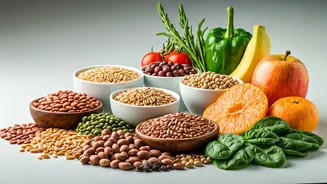
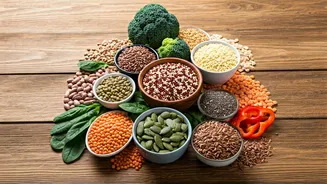
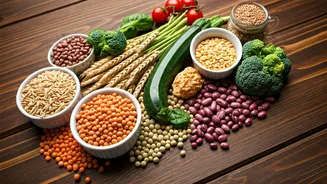
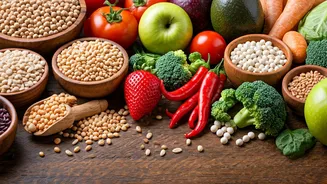
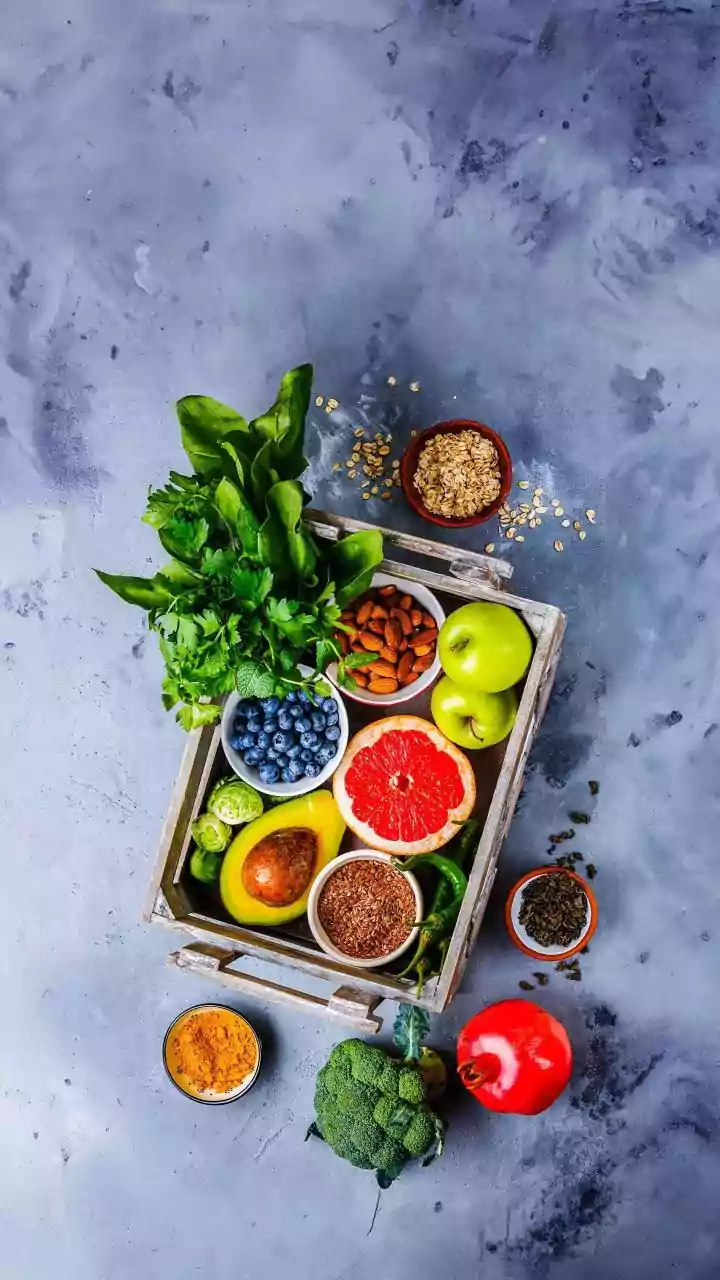
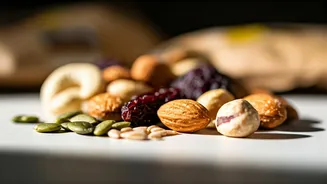
— a social media term for maximising fibre, which is gaining traction as people connect gut health to overall wellbeing. Instead of focusing on what to cut out, this approach encourages adding more plant-based foods to your plate. The goal is to move away from highly processed foods and embrace whole grains, fruits, vegetables, legumes, nuts, and seeds. This shift is gaining so much attention that some industry leaders have predicted fibre might just be the new protein.
Why the Sudden Buzz About Fibre?
While our grandparents knew the importance of staying regular, the current buzz is rooted in a deeper understanding of the gut microbiome. Scientists now recognise the trillions of bacteria in our digestive system as essential for everything from immunity and inflammation control to metabolism and even mood. Dietary fibre is the primary fuel for these beneficial gut bacteria. When you eat a fibre-rich diet, you’re feeding this internal ecosystem, helping it thrive. This leads to the production of beneficial compounds like short-chain fatty acids, which nourish the colon lining and reduce inflammation. Another reason for its popularity is its link to satiety; fibre helps you feel fuller for longer, which can aid in weight management.
The Unsung Hero of Your Diet
The benefits of a high-fibre diet are extensive and well-documented. Firstly, it’s a champion for digestive health, helping to prevent constipation by adding bulk to stool and making it easier to pass. There are two types of fibre: soluble and insoluble. Soluble fibre, found in oats, beans, and apples, dissolves into a gel-like substance that can help lower 'bad' LDL cholesterol and stabilise blood sugar levels. Insoluble fibre, present in whole grains and vegetables, acts like a broom, sweeping through your digestive system. Consuming enough fibre is linked to a lower risk of several chronic conditions, including heart disease, type 2 diabetes, and certain types of cancer.
Your Daily Fibre Goal
So, how much fibre should you aim for? Recommendations suggest that most adults should consume between 25 and 38 grams per day, depending on age and gender. Unfortunately, a vast majority of people fall short, consuming only about half the recommended amount. For example, a common recommendation is 25 grams for women and 38 grams for men under 50. A simple way to track this is to aim for about 14 grams of fibre for every 1,000 calories you consume. Don't get too caught up in the exact numbers initially; simply focus on making more fibre-conscious choices throughout your day.
Simple Swaps for an Indian Diet
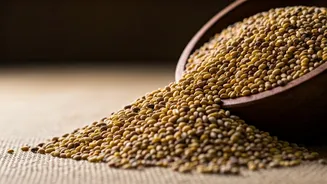
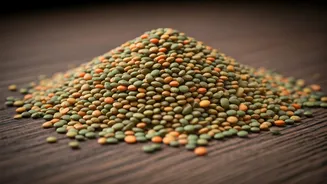
Increasing your fibre intake doesn't require a complete diet overhaul. The Indian kitchen is already full of fibre-rich staples. Start by swapping white rice for brown rice or including millets like jowar, bajra, and ragi in your meals, perhaps in the form of rotis or khichdi. Make lentils and legumes like dal, chana, and rajma a daily habit; they are excellent sources of both fibre and protein. For snacks, reach for a guava (one of the highest-fibre fruits), an apple with the skin on, or a handful of nuts. Adding more vegetables like spinach, peas, and carrots to your curries and sabzis is another easy win.
A Few Things to Keep in Mind
As you start to increase your fibre, it's important to do so gradually. Adding too much fibre too quickly can lead to digestive discomfort like gas and bloating as your system adjusts. Try adding one new high-fibre food every few days. Just as importantly, remember to drink plenty of water. Fibre works best when it absorbs water, which helps soften stool and ensures it moves smoothly through your digestive tract. Aim for at least 8-10 glasses of water a day to support your new fibre-forward habits.