



A Reaction to Cold Minimalism
For the better part of a decade, interior design has been dominated by cool grays, stark whites, and the pale woods of Scandinavian-inspired minimalism. While clean and uncluttered, many are now finding this aesthetic a bit cold and sterile. Designers
and homeowners are craving warmth, character, and a sense of history in their homes—qualities that traditional wood furniture has in abundance. This trend is a clear shift toward spaces that feel more comforting, personal, and lived-in. The deep, earthy tones of mahogany, walnut, and cherry offer a grounding, soulful alternative to the monochrome palettes that have been popular for so long.
So, What Does 'Airy' Actually Mean?
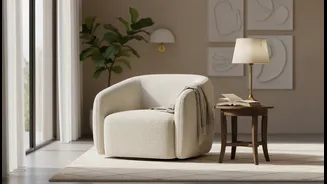
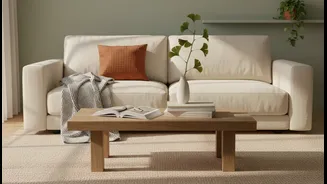
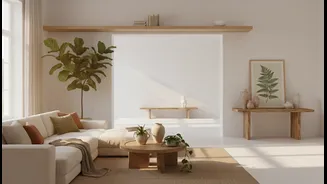
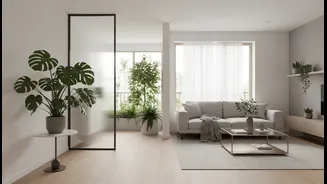
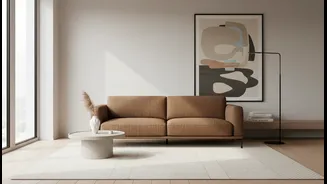
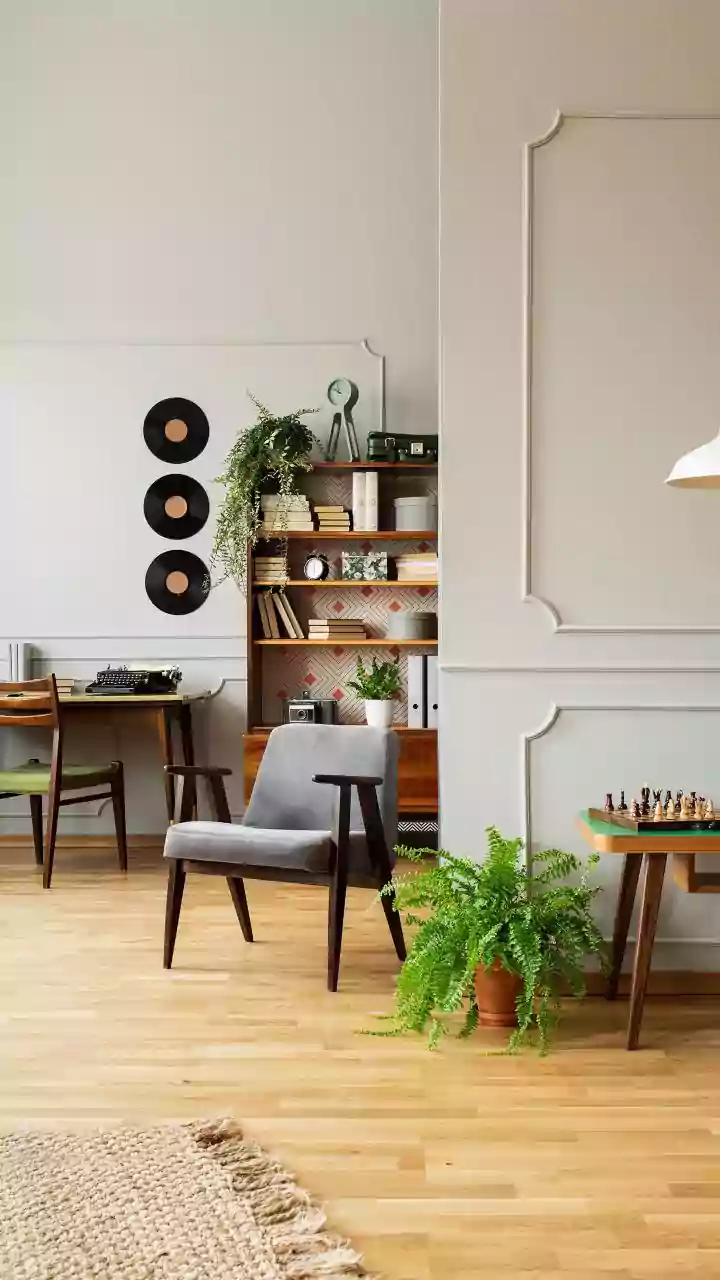
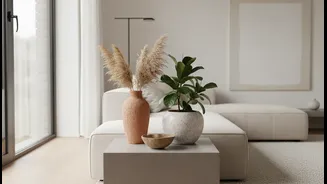
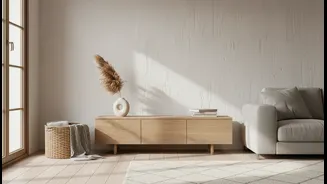
The key to making brown furniture feel current is all in the styling. The new approach is about creating contrast and balance, ensuring the rich wood pieces anchor the room without weighing it down. This “airy” feel is achieved by surrounding dark furniture with lighter elements. Think bright, neutral walls in shades of white, cream, or soft pastels that reflect light. Ample natural light is crucial, so sheer curtains are preferred over heavy drapes. The goal is to create plenty of negative space, allowing each piece to breathe. Furniture is often floated away from walls, and pieces with legs are chosen to create a sense of lightness and openness.
How to Get the Look
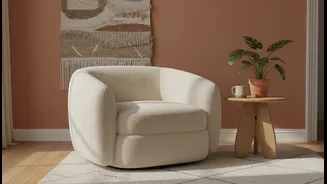
Integrating this trend is easier than it sounds. Start by focusing on one or two statement pieces rather than a full matching set. An antique armoire or a vintage dining table can become a stunning focal point. The magic is in the mix. Juxtapose a traditional wooden chest with a modern, abstract painting, or place a sleek metal lamp on a classic walnut side table. Texture is also your friend. Layer in soft textiles like linen, bouclé, and wool through rugs, pillows, and throws to soften the hard lines of wood furniture. Don’t be afraid to mix wood tones; combining dark and light woods creates a curated, collected-over-time feel that is very of the moment.
The Sustainability Factor
Part of the renewed appeal of brown furniture is its sustainability. In a world increasingly conscious of its environmental impact, choosing vintage or antique pieces is an eco-friendly decision. These items, often showcasing superior craftsmanship with details like hand-cut dovetails, were built to last for generations. Opting for a pre-loved piece not only prevents waste but also brings an item with a unique history and patina into your home—something mass-produced furniture simply cannot replicate. This approach represents a move toward “slow design,” valuing quality and longevity over fleeting trends.