


The Monsoon's Magic Gift
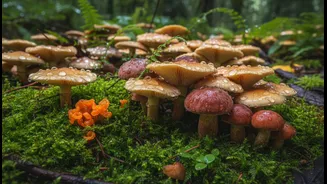
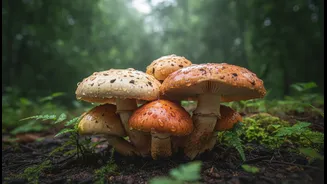
July in India is synonymous with the monsoon, a season that transforms the landscape with lush greenery. But the real treasure for food enthusiasts lies underfoot. The combination of high humidity, damp soil, and moderate temperatures creates the perfect
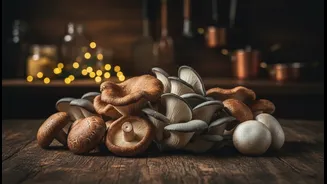
incubator for a spectacular variety of wild mushrooms to fruit. While cultivated mushrooms like oyster and milky mushrooms also thrive in these conditions, it is the wild, foraged varieties that truly capture the essence of the season. From the Western Ghats to the forests of Jharkhand, the arrival of the rains signals the start of a brief but glorious mushroom hunting season, a tradition deeply embedded in many local and tribal communities.
Stars of the Season: Beyond the Button
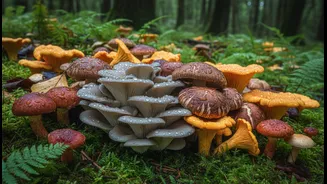
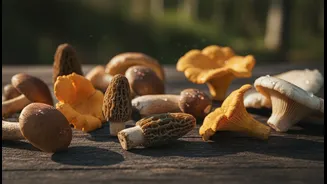
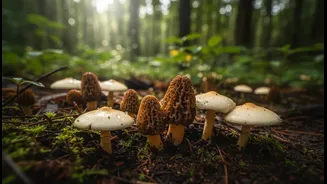
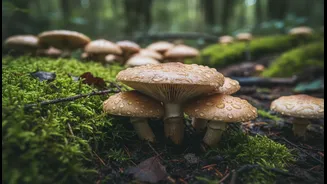
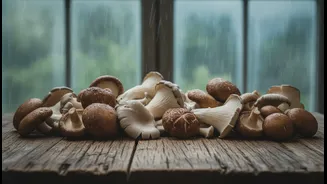
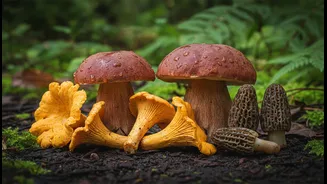
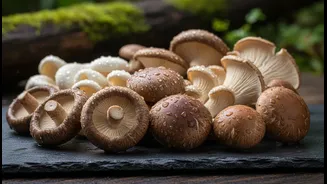
Forget the uniform button mushrooms from the supermarket; the monsoon offers fungi with unique flavours and stories. One of the most prized is the Termitomyces, known locally as 'Olmi' in Goa or 'Alambi' in parts of Karnataka. These flavourful mushrooms grow exclusively on termite mounds and are considered a delicacy, often called 'Goa's Truffles'. They have a firm, meaty texture and an earthy taste that is unparalleled. Another monsoon star is 'Rugda', found in the Sal forests of Jharkhand. With its dense texture, it is often called 'vegetarian mutton' and forms the heart of a rich, rustic curry. Other varieties, like those that grow around bamboo groves in Odisha, also make a fleeting appearance, eagerly gathered by those with generational knowledge.
A Serious Word on Safety
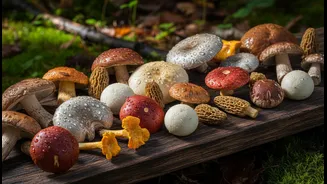
The romance of foraging comes with a critical warning: many delicious wild mushrooms have poisonous look-alikes. Misidentification can lead to severe illness or even prove fatal. Just this month, on July 10, 2026, nine members of a family in Belagavi, Karnataka, fell ill after consuming wild mushrooms that were believed to be contaminated with pesticides. The incident serves as a stark reminder of the risks. There is no simple rule to distinguish edible from toxic varieties. The only safe way to forage is to go with an experienced local guide who possesses traditional knowledge passed down through generations. When it comes to wild mushrooms, the golden rule is absolute: if you have even a shadow of a doubt about its identity, do not eat it.
From Forest Floor to Dinner Plate
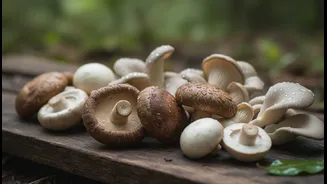
For those who can safely source these seasonal gems, either through expert foraging or from trusted local vendors, the culinary rewards are immense. The preparation is often kept simple to honour the mushroom's natural flavour. In Goa and the Konkan coast, Olmi are often cooked in a fragrant coconut-based curry, sometimes with Mangalorean cucumber, and served with rice or neer dosa. The more robust Rugda is perfect for a spicy, slow-cooked curry that mimics meat dishes. A simple stir-fry with minimal spices—perhaps some ginger, garlic, and green chillies—is another popular way to enjoy these mushrooms, allowing their unique, earthy notes to shine through. The key is to avoid overpowering their delicate taste.