





The Allure of Parsi Cuisine
Parsi food is a masterclass in balance. It marries the robust, meat-centric traditions of ancient Persia with the vibrant vegetarian flavours and spices of Gujarat. This fusion has created a unique culinary identity known for its signature 'khattu mithu'
(sweet and sour) taste profile. While justly famous for rich meat dishes like Sali Boti and the iconic Dhansak, the cuisine has a surprisingly inventive vegetarian side. Though often considered a footnote, with vegetables sometimes humorously dismissed as 'ghas poos' (grassy nonsense), certain vegetarian preparations are cherished, especially those served at community feasts and in the hallowed halls of Parsi clubs.
Kathal: The Vegetarian's Meat
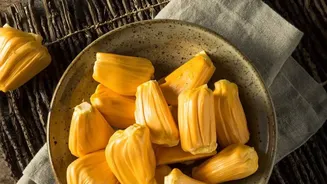
Enter kathal, or raw jackfruit. This versatile fruit, native to India, has a remarkable, fibrous texture that makes it an excellent substitute for meat. When unripe, it has a neutral taste that beautifully absorbs the flavours of the spices it is cooked with. Across India, from biryanis to curries, kathal is used to create hearty, satisfying vegetarian dishes. In Parsi cooking, where meat and eggs traditionally dominate, kathal provides a wonderful canvas for the region's complex masalas, offering a vegetarian option that feels just as substantial and celebratory as its non-vegetarian counterparts.
The Quintessential 'Club' Kathal
In the context of old-world Parsi clubs, food is an experience steeped in tradition and time-honoured recipes. A 'club-style' kathal dish would likely be rich and elaborate. Imagine chunks of tender-cooked jackfruit simmered in a complex gravy made from caramelised onions, ginger, garlic, and a proprietary blend of Parsi spices. This curry would feature the classic sweet and sour notes, perhaps from the use of vinegar and a touch of jaggery or sugar. It might be finished with a garnish of 'sali' (crispy potato straws), another beloved Parsi staple, adding a delightful textural crunch to the soft kathal. This is a dish designed for leisurely enjoyment, a testament to slow cooking and layered flavours.
Bringing the Recipe Home: A Simpler Approach
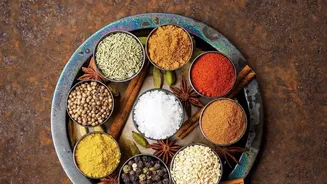
Recreating that exact club experience at home might seem daunting, but the spirit of the dish is easy to capture. The key is to focus on the foundational techniques. Start by frying the kathal pieces until they are golden brown; this step is crucial for developing flavour and ensuring the jackfruit holds its texture. For the base gravy, slowly caramelise finely sliced onions to build a sweet, deep foundation. Use a good quality Parsi curry masala or a blend of cumin, coriander, turmeric, and a little cinnamon. Don't forget the essential 'khattu mithu' balance—a splash of sugarcane vinegar and a pinch of sugar or jaggery will bring that authentic taste to life.
Getting Creative in Your Kitchen
Once you master the basic curry, the fun truly begins. Think of the cooked kathal masala as a versatile base. Shred the cooked jackfruit and use it as a filling for flaky patties or samosas, perfect for a tea-time snack. For a modern twist, pile the shredded kathal onto soft pav or buns to create a 'pulled' kathal sandwich, a vegetarian take on the famous pulled pork. You could even use the spiced jackfruit as a topping for a fusion pizza or layer it in a Kathal Biryani for a show-stopping main course. Another idea is to form the mixture into kebabs and pan-fry them for a delicious appetiser. The possibilities are endless once you start viewing the traditional recipe as a starting point for your own culinary adventures.