



First, Master Monsoon Care Basics
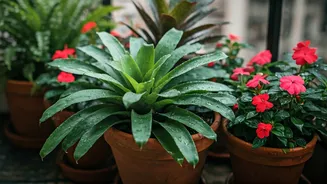
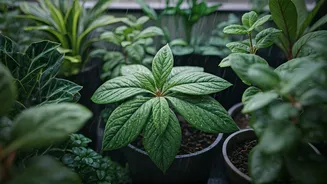
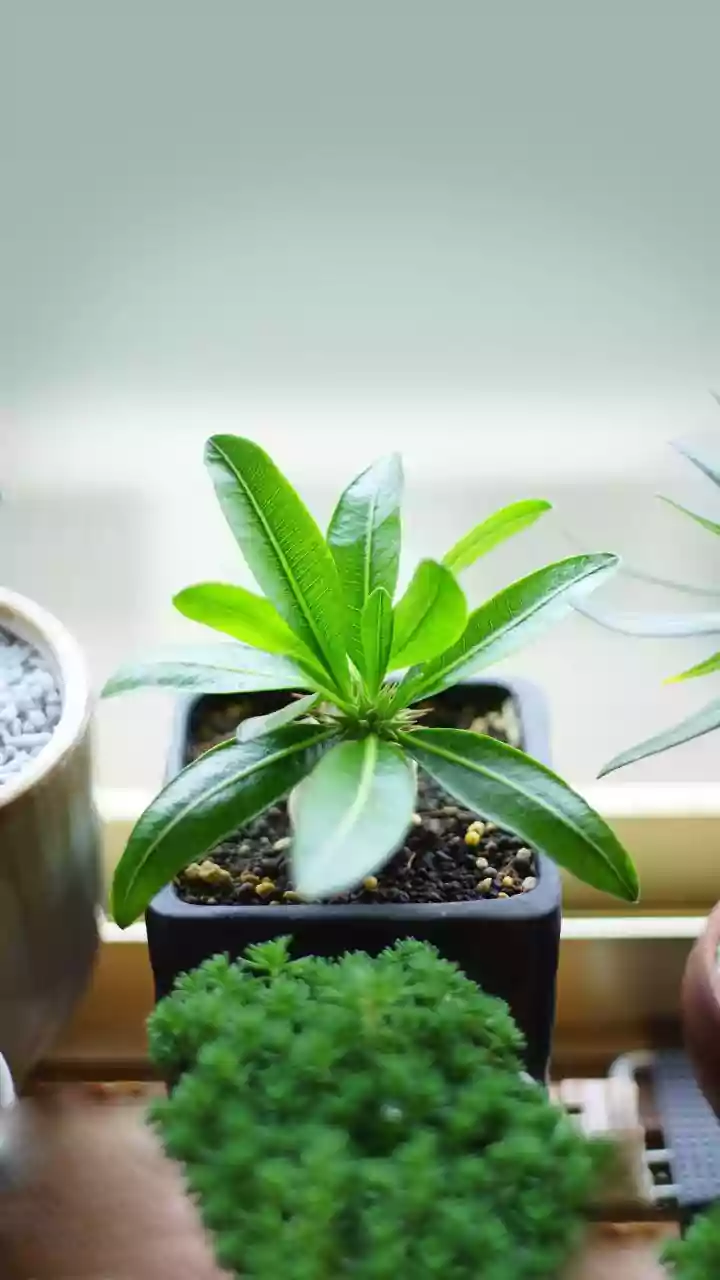
Before you even pick a plant, success in the rainy season comes down to a few key preparations. The biggest enemy isn't the rain itself, but waterlogging. Ensure every single pot has drainage holes to let excess water escape. Elevating your pots on bricks
or stands is another simple trick to prevent roots from sitting in stagnant water, which leads to rot. Use a light, well-draining soil mix; a combination of garden soil, cocopeat, and sand or perlite works well. Finally, be mindful of pests. The high humidity can encourage fungal growth and insects. A preventive spray of neem oil solution can keep these issues at bay.
Hibiscus: The Tropical Mainstay
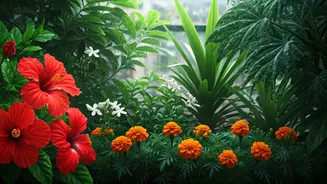
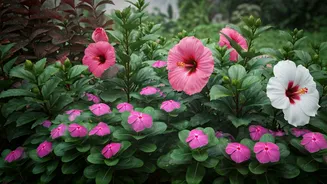
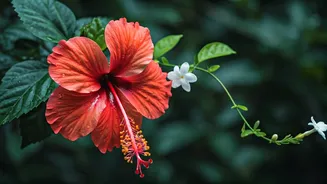
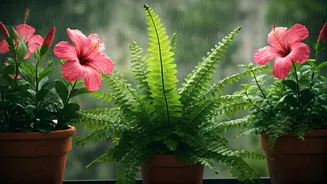
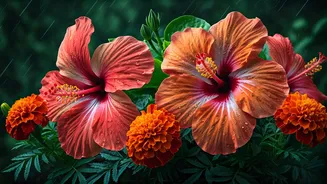
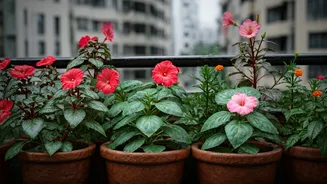
Known for its large, vibrant flowers, the hibiscus (Gudhal) is a classic choice that flourishes in the warm, moist climate of the Indian monsoon. It loves the humidity and will reward you with near-constant blooms in shades of red, pink, and yellow. While it appreciates moisture, ensure the pot has excellent drainage to prevent root rot. Place it in a spot that receives plenty of sunlight. A little pruning during the early monsoon can also encourage fuller growth and more flowers.
Balsam: The Cheerful Monsoon Bloomer
Balsam (Gul-Mehandi) is a quintessential monsoon flower that grows profusely during the rainy season. It produces cheerful flowers and thrives in moist conditions, making it perfect for brightening up a balcony. This plant does well in partial shade and grows quickly from seeds or cuttings. In fact, cuttings can develop roots in as little as 10 days during the monsoon, making it incredibly easy to propagate. Its love for moisture makes it an ideal, low-effort choice for this time of year.
Jasmine: Fragrance in the Rain
The fragrance of jasmine (Mogra or Chameli) is a beloved part of Indian evenings, and the plant itself performs wonderfully during the monsoon. These evergreen creepers love the moisture and will produce an abundance of fragrant white flowers. They prefer well-drained soil and a spot with partial to full sunlight. You can grow them in pots and provide a small trellis or let them trail along the balcony railing. Regular watering and the high humidity of the season will keep them thriving.
Rain Lily: The Magical Monsoon Flower
As its name suggests, the Rain Lily is famous for bursting into bloom right after a spell of rain. These small, bulbous plants produce delicate flowers in shades of pink, white, or yellow, adding a touch of magic to your balcony. They are incredibly low-maintenance and are perfectly suited for growing in small pots. Plant the bulbs, ensure decent drainage, and let the monsoon showers trigger their beautiful display. They are a delightful and effortless addition to any rainy season garden.
Marigold: The Pest-Repellent Protector
Marigolds are not only bright and cheerful but also incredibly hardy. These plants can withstand wet conditions as long as their pots have good drainage, and they bloom continuously through the season. A major advantage of having marigolds in your balcony garden is their natural ability to repel common pests like mosquitoes, which are more prevalent during the monsoon. They are easy to grow and add a vibrant splash of orange and yellow while helping to protect your other plants.
Periwinkle: The Year-Round Survivor
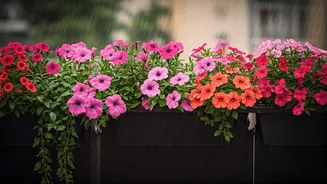
Known as Sadabahar, the periwinkle is famous for being incredibly tough and low-maintenance. It tolerates heavy rains well and provides continuous colour with its vibrant flowers. It blooms almost year-round in Indian conditions, making it a reliable choice for consistent greenery and flowers on your balcony. It thrives in both full sun and partial shade and is quite drought-resistant once established, meaning it can handle the breaks between monsoon showers without any trouble.