


More Than Just Fabric
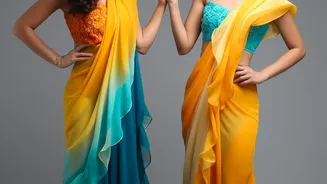
A vintage saree is never just a piece of cloth; it's a repository of memories, culture, and artistry. For generations, these six yards of fabric have been central to Indian life, worn for weddings, festivals, and daily rituals. The true artistry, however,
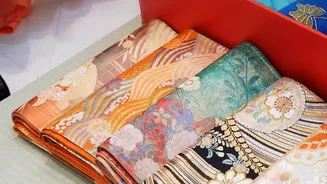
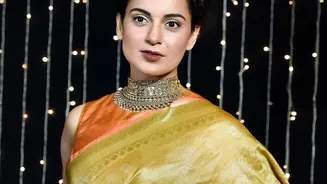
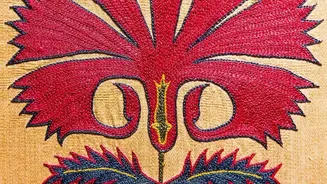
often lies in the borders and pallu (the decorative end piece). These sections are canvases for masterful weaving, featuring motifs that carry deep cultural significance. Peacock designs symbolize grace and royalty, while temple borders, inspired by the gopuram architecture of South Indian temples, signify devotion and divine protection. Other motifs like the mango (paisley) represent prosperity, and the lotus stands for purity and new beginnings. It is this rich symbolic heritage, often woven with real zari (gold or silver thread), that makes these textiles too precious to discard.
The Curator's Eye
The journey from a forgotten garment to a statement decor piece begins with a careful selection process. Not every old saree is suitable for upcycling into drapes. Artisans and designers who specialize in this craft look for specific qualities. The fabric's condition is paramount; it must be strong enough to be repurposed. Silks like Kanchipuram or Banarasi are prized for their durability and lustrous finish, while soft cottons offer a more breezy, bohemian feel. The most critical element is the border. Artisans seek out sarees with intact, intricate, and visually striking borders. A Kanchipuram saree with a wide 'Korvai' border, where the border is interlocked with the body, or a Paithani with its signature peacock motifs are considered prime candidates. The selection is an art in itself, requiring an eye for detail and an understanding of how the original design can be reborn.
From Saree to Silhouette
Once selected, the transformation is a meticulous, hands-on process. The first step is to carefully deconstruct the saree. The valuable border and pallu are painstakingly detached from the main fabric. These heritage pieces are then cleaned and restored. The next stage involves design. The artisan decides how to best showcase the vintage motifs on a new base fabric, which will form the body of the curtain. This base is often a high-quality cotton, linen, or a lighter silk that complements the richness of the border. The vintage border is then expertly stitched onto the new fabric. This is the most skill-intensive part, requiring precise alignment and stitching to ensure the final drape hangs perfectly. Sometimes, multiple borders from different sarees are combined to create a unique patchwork effect, resulting in a truly bespoke piece of functional art.
Hands That Weave History
This movement is powered by skilled artisans across India, many of whom come from families with long histories in textile crafts. For them, this work is more than just a livelihood; it's a way to keep their ancestral skills alive in a modern context. By repurposing old sarees, they are not only practicing a sustainable craft but also acting as custodians of cultural heritage. This process provides meaningful employment and allows their craftsmanship to find a new, appreciative audience. Each stitch is a testament to their patience and expertise, connecting the past with the present. Buying these upcycled creations often means directly supporting these artisan communities, ensuring that their invaluable knowledge is passed down to the next generation.
Heritage in a Modern Home
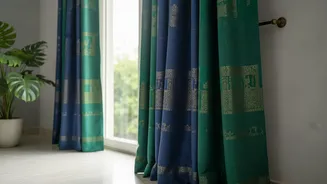
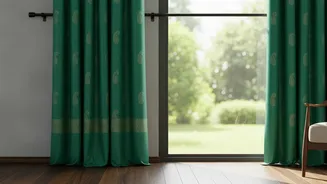
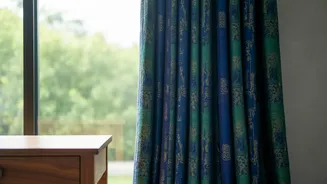
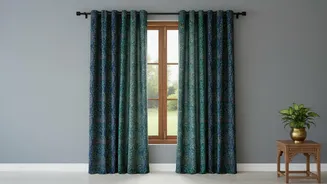
The final product is far more than a simple curtain; it’s a conversation starter, imbued with history and soul. These drapes bring a touch of Indian royalty and tradition into contemporary homes, blending seamlessly with both minimalist and maximalist aesthetics. They stand in stark contrast to generic, factory-made furnishings, offering a unique story that no new item can replicate. This trend is part of a larger, conscious shift towards sustainability in interior design. Homeowners are increasingly looking for decor that is not only beautiful but also eco-friendly and meaningful. An upcycled saree drape meets all these criteria, adding warmth, color, and a rich narrative to a space, proving that true style is timeless.