




Strength vs. Bitterness: The Extraction Balance
Before you start tweaking timers, it's crucial to understand 'extraction'. This is the process of water dissolving flavour compounds from your coffee grounds. Strength, in coffee terms, refers to the concentration of these dissolved solids in your cup.
A longer brewing time generally allows for more extraction, leading to a stronger taste. However, there's a fine line. Brew for too long, and you risk 'over-extraction', pulling out unwanted bitter and harsh flavours that can ruin a perfectly good cup. The goal is to extract just enough of the good stuff—the sugars and oils—without inviting in the bitterness. A weak or sour taste often signals 'under-extraction', meaning the brew was too short.
The Golden Rule of Contact Time
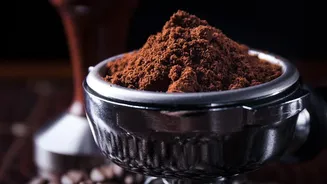
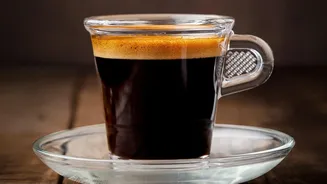
Think of brewing time as 'contact time'—the duration that water is actively working its magic on the coffee grounds. Generally, the longer the contact time, the more flavour is pulled out, and the stronger your coffee will be. But time doesn't work in isolation. It's in a relationship with grind size. A finer grind has more surface area, so it extracts flavours much faster than a coarse grind. This is why a quick espresso shot uses a very fine grind, while a French press, which steeps for several minutes, uses a very coarse grind. To make your coffee stronger, you can either extend the brewing time or use a slightly finer grind—but be careful. Making one change at a time is the best way to see what works without accidentally creating a bitter brew.
Mastering the Moka Pot
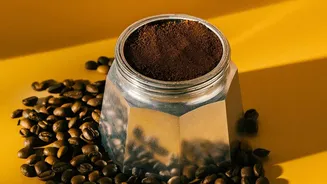
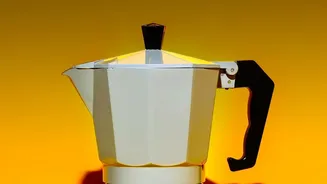
The Moka pot is a champion of simple equipment for creating a potent, espresso-like concentrate. To influence brewing time and strength, start with pre-heated water in the base. This reduces the total time the pot spends on the stove, preventing the metal from getting too hot and 'cooking' the grounds, which creates bitterness. Use a medium-fine grind and fill the basket without tamping it down. The key is to control the heat. A medium-low flame extends the brewing process gently. When the coffee starts to sputter and gurgle, it's a sign that the water is nearly gone and the extraction is complete. Take it off the heat immediately to prevent over-extraction. For an even stronger brew, some enthusiasts even use a paper AeroPress filter on top of the grounds to increase resistance and slow the water flow.
The Versatile AeroPress Method
The AeroPress offers incredible control over brewing time, making it perfect for experimentation. While the standard method is quick, you can easily create a stronger, more concentrated coffee by extending the steeping time. The 'inverted method' is popular for this. By flipping the AeroPress upside down, you can let the coffee and water steep for as long as you like without any dripping through. Try steeping for two to three minutes instead of the usual one. Because the AeroPress is an immersion brewer, you have direct control over contact time. If the brew tastes bitter after a longer steep, try a slightly coarser grind next time. Remember to press the plunger gently and consistently; pressing too hard or fast can also contribute to bitterness.
Tips for French Press and Pour-Over
While not strictly for 'espresso-style' coffee, these methods also respond to time adjustments. For a French press, the standard brew time is about four minutes. To increase strength, you can extend this to five or six minutes. However, because the grounds remain immersed, the risk of over-extraction is high. If you extend the time, consider using a slightly coarser grind to compensate. For pour-over methods like a V60, brewing time is controlled by your pouring technique and grind size. A slower, more controlled pour keeps the water in contact with the grounds for longer, increasing extraction. Grinding a little finer will also slow down the water's passage, which increases contact time and strength, but be careful not to grind so fine that you choke the filter and cause water to stall, which leads to bitterness.