




Your Gut, Your Unique Fingerprint
Think of your gut microbiome as an internal ecosystem that’s as unique to you as your fingerprint. This community of bacteria, fungi, and other microbes helps digest food, regulates your immune system, and even influences your mood. For years, health
advice has been generic: eat more fibre, reduce sugar. But scientists now understand that two people can eat the exact same meal and have wildly different responses in blood sugar and inflammation, all because of their distinct gut inhabitants. This explains why a diet that works wonders for a friend might not work for you. The key is this unique microbial signature, which is shaped by your genetics, where you live, and what you eat.
The Problem with Borrowed Science
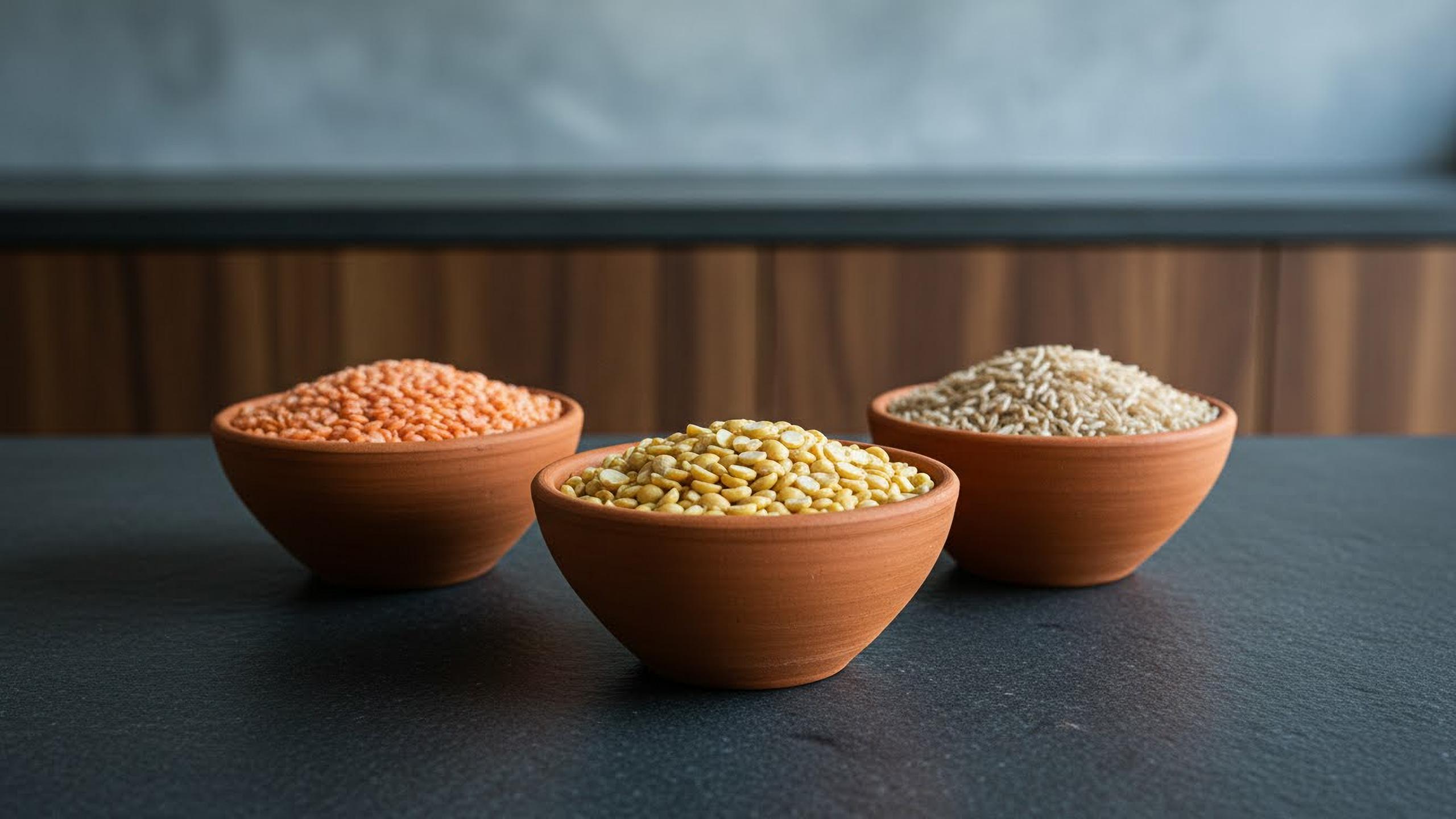
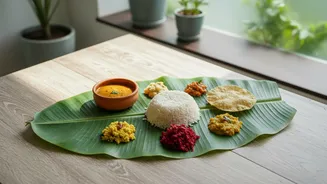
A major issue in microbiome science has been its heavy bias toward European and North American populations. South Asians, who make up a quarter of the world's population, have been significantly underrepresented in this research. This is a critical gap, because diet, environment, and genetics in South Asia are vastly different. Our food is rich in spices, complex fibres from lentils and grains, and often involves fermentation—factors that create a distinct microbial environment. Applying findings from a Western diet of burgers and fries to someone eating dal and rice is like using a map of Delhi to navigate Mumbai. New studies are now correcting this by creating the first comprehensive reference databases for the South Asian microbiome.
Geography Is a Gut-Changer
A landmark study called the South Asian MicroBiome ARray (SAMBAR) analyzed over 575 adults from diverse communities across India and Sri Lanka. One of its most striking findings is that geography and community have a stronger influence on the gut microbiome than even urban or rural lifestyles. The microbial makeup of someone from a pastoral community in the Himalayas, who consumes barley and dairy, is vastly different from that of someone in southern India, whose diet is rice and fish-based. For example, a northern Indian diet often fosters a higher abundance of Prevotella bacteria, which are excellent at breaking down plant fibres, while an omnivorous southern diet is associated with Bacteroides, which are more geared towards processing proteins and fats.
Urban Living and Your Inner Ecosystem
As people move from villages to cities, their microbiomes change, and not always for the better. The SAMBAR study found that while the response to urbanization is not uniform, there is a consistent link between urban markers and a rise in disease-linked bacteria. One such microbe, Megamonas, was found in higher abundance in urban South Asians and is correlated with increased blood glucose levels and lower microbial diversity—both risk factors for metabolic diseases like diabetes. This shift is often driven by a move towards ultra-processed foods, which are high in sugar and low in the fibre our beneficial gut microbes need to thrive.
Rethinking Health and Diet in India
This new, India-specific research has profound implications. It helps explain why rates of metabolic diseases like diabetes and obesity are rising rapidly in urbanizing parts of South Asia. It's not just our genes, but also the environmental factor of our changing gut bacteria that amplifies risk. The findings also challenge long-held beliefs, such as those concerning lactose digestion. Some Indian communities that have consumed milk for millennia show gut bacteria capable of breaking it down, independent of the common lactase-persistence gene found in Europeans. This suggests our microbes have co-evolved with our cultural practices. The ultimate goal is to move towards personalized nutrition, where dietary advice is tailored to an individual's unique microbiome.