







The Habit: A Mandatory Waiting Period
The single most effective habit to transform your spending is deceptively simple: create a mandatory waiting period for any non-essential purchase. This isn't about complex budgets or depriving yourself of joy. It's about inserting a moment of intentional
friction between the impulse to buy and the act of buying. Whether it's a new pair of sneakers that popped up in your social media feed or a kitchen gadget that promises to change your life, the rule is the same: don't buy it immediately. Instead, you commit to waiting a predetermined amount of time before you're allowed to click 'confirm order' or hand over your card. This small delay is the secret weapon against the sophisticated marketing designed to trigger emotional, in-the-moment decisions.
Why This Simple Pause Is So Powerful
Impulse buys are almost always driven by emotion. You might be feeling bored, stressed, or excited by the novelty of a product. Psychologists call this a 'hot state' of decision-making, where logic takes a backseat to immediate desire. The waiting period works by allowing this hot state to cool down. When you step away, you give your rational brain a chance to catch up. The initial dopamine hit from seeing the item fades, and you can evaluate the purchase from a more neutral 'cold state.' Suddenly, practical questions emerge: Do I really need this? Do I already own something similar? Does this purchase align with my long-term financial goals, like saving for a vacation or paying down debt? The pause separates the 'want' from the 'need' and gives you the clarity to make a choice you won't regret later.
Start With the 24-Hour Rule
The easiest way to implement this habit is with the 24-Hour Rule. It's perfect for the small-to-medium-sized purchases that quietly drain your bank account. The next time you feel the urge to buy something online that isn't a true necessity, add it to your cart or a wish list, and then close the tab. If you still genuinely want and need the item 24 hours later, you can proceed with the purchase. You'll be surprised how often you forget about it entirely or realize the initial excitement has vanished. That fleeting desire wasn't a true need; it was just a momentary impulse. This simple practice builds the muscle of mindful spending and can save you hundreds, if not thousands, of dollars a year on things you never really wanted in the first place.
Level Up With the 30-Day List
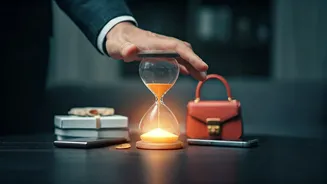
For more significant purchases—think a new TV, a designer bag, or expensive concert tickets—the 24-hour rule may not be enough. This is where the 30-Day List comes in. When you identify a big-ticket item you want, write it down on a list (digital or physical) along with the date. Then, you must wait 30 days. At the end of the month, revisit the list. Does the desire still burn as brightly? Have you done more research and confirmed it's a good value? Did a more pressing financial need arise in the meantime? This extended cooling-off period is incredibly effective for preventing major financial blunders. It ensures that your largest expenditures are thoughtful, well-researched, and truly worth the cost, rather than the result of a fleeting infatuation.
Making the Habit Stick
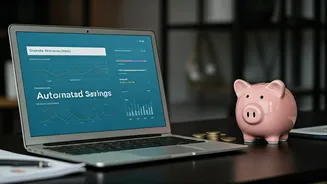
To reinforce the habit, you can integrate other small tricks. Instead of just waiting, ask yourself a few clarifying questions. A popular one is, 'How many hours of work does this item cost?' Framing the price in terms of your time and labor can put it in a stark new perspective. Another strategy is to physically move the money for the desired item into a savings account during the waiting period. If you decide not to buy, that money stays put, giving you a tangible reward for your discipline. The key is to find the version of the pause that works for you and apply it consistently. It's not about perfection; it's about progress.