



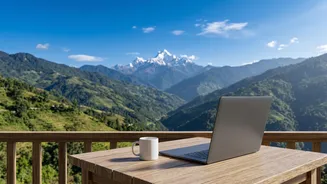


The Rise of the Himalayan Office
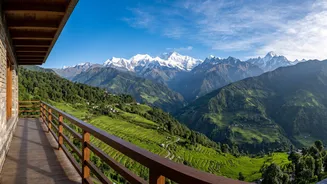
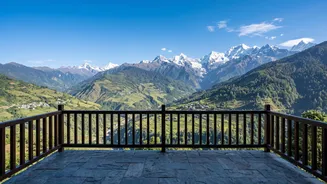
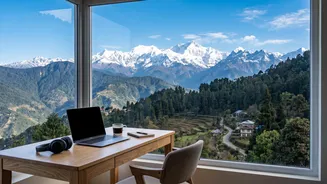
The remote work revolution has fundamentally changed how we view the office. For a growing number of professionals in India, the new corner office has a panoramic view of the mountains. While destinations in Himachal Pradesh and Uttarakhand have long
been popular, Sikkim is quickly becoming the go-to choice for those seeking a tranquil, productive, and well-connected workation. This shift is no accident. It's the result of concerted efforts to boost connectivity and empower local communities. Initiatives like 'Nomad Sikkim' are transforming quiet villages into hubs for digital professionals. This state-backed push aims to provide year-round income for homestay owners, moving beyond the traditional tourist seasons and creating a sustainable model for rural development. The focus is on creating an ecosystem where remote workers can find not just a place to stay, but a community to be part of, blending productivity with a slower, more mindful way of life.
High-Speed Internet: Myth vs. Reality
The biggest question for any remote worker is: how good is the internet? In Sikkim, the answer is surprisingly positive. Gone are the days of the state being a connectivity dead zone. Thanks to infrastructure upgrades, including the government's BharatNet project and the rollout of fibre-optic connections by private players, reliable internet is now a feature in many areas. In dedicated remote work hubs like Yakten village in Pakyong district, professionals can expect speeds between 25 and 100 Mbps, which is more than sufficient for video conferencing and high-bandwidth tasks. These setups often include dual internet lines and power backup systems like inverters and generators to mitigate the challenges of frequent power cuts in hilly regions. While major towns like Gangtok, Pelling, and Namchi offer the most consistent connectivity, even smaller hamlets are now boasting work-friendly Wi-Fi. However, it's wise to confirm the specific internet speed and power backup situation with your homestay before booking.
What 'Low Cost' Really Means
Compared to the expense of living in a metro city, a workation in Sikkim offers significant savings. The 'low cost' claim is anchored in the affordability of long-term stays at local homestays. Many homestays offer packages that include a private room, all three meals (home-cooked and often organic), and Wi-Fi for a monthly cost that can be as low as ₹30,000. Nightly rates for work-friendly homestays typically range from ₹1,000 to ₹1,500. This model not only makes it affordable for the visitor but also ensures that the revenue directly supports local families. Day-to-day expenses are also lower, with a meal at a mid-range restaurant or a coffee costing a fraction of what you would pay in Delhi or Mumbai. This combination of affordable living and immersive cultural experience is a core part of Sikkim's appeal to the budget-conscious digital nomad.
Finding Your Perfect Mountain Desk
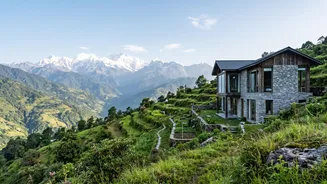
Sikkim offers a variety of locations to suit different preferences. For those seeking an established ecosystem, Yakten village stands out. As India's first officially declared 'Digital Nomad Village', it features eight community-run homestays specifically equipped for remote work, complete with reliable Wi-Fi, work desks, and power backups. The project was designed to turn the quiet tourist off-season into a productive period for both visitors and locals. Beyond Yakten, towns like Gangtok offer a more urban feel with numerous cafes equipped with charging ports and Wi-Fi, alongside co-working friendly hotels. For more serene, offbeat experiences, destinations in West and South Sikkim like Pelling, Ravangla, and even smaller hamlets like Lingmoo are becoming increasingly popular, with many homestays upgrading their facilities to cater to the workation trend.
Beyond the Screen: Life After Logging Off
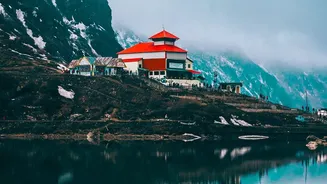
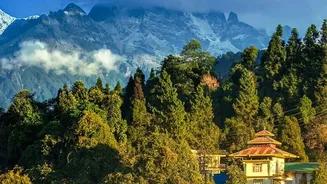
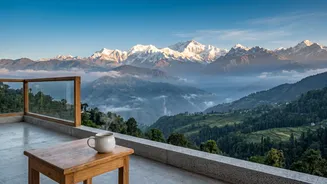
The true value of a Sikkim workation lies in the balance it offers between work and life. After the workday is done, a world of Himalayan experiences awaits right outside your door. You can spend your evenings and weekends exploring misty pine forests, trekking to breathtaking viewpoints like Jhandi Dara, or visiting ancient monasteries. The lifestyle encourages a deeper connection with nature, with opportunities for birdwatching—including spotting the rare Kaiser-i-Hind butterfly—and enjoying the fresh, clean mountain air. It’s also a chance for deep cultural immersion. By staying in a homestay, you share in the daily life of local Limbu and Bhutia families, enjoy authentic home-cooked meals, and can even participate in cultural activities. This blend of productivity, nature, and culture is what transforms a simple remote work stint into a truly rejuvenating experience.