




More Than a Meal on a Leaf
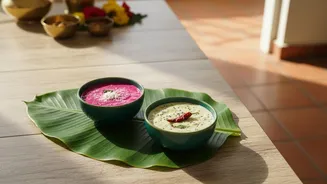
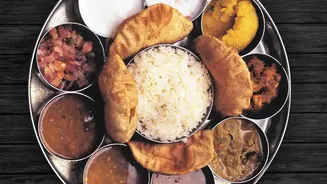
For decades, the Sadhya, a vegetarian feast served on a banana leaf with dozens of dishes, has been the primary culinary ambassador for Kerala, especially during festivals like Onam. Its intricate balance of flavours, from the lentil-based parippu to
the coconut-and-yoghurt avial, is a masterclass in vegetarian cooking. However, limiting Kerala's food identity to the Sadhya is like describing Indian cinema using only one blockbuster film. Food enthusiasts and chefs are now championing the state's other culinary traditions, revealing a map of flavours shaped by geography, trade, and diverse communities. This growing curiosity is unearthing hyper-regional specialties that offer a deeper, more nuanced taste of God's Own Country.
The Rich Heritage of Malabar
The northern Malabar coast, historically a bustling hub for the spice trade, is home to Moplah (or Mappila) cuisine, a unique fusion of local Kerala ingredients with Arab, Persian, and even Portuguese influences. This culinary tradition is renowned for its sophisticated use of meat and seafood. The star of the region is undoubtedly the Thalassery Biryani, which stands apart from its counterparts by using a short-grain, fragrant rice called kaima instead of basmati. Beyond biryani, the Moplah kitchen offers an array of delights. There are various types of 'pathiri'—delicate rice flour flatbreads—like 'aripathiri' which serves as a perfect vehicle for flavourful curries, and 'chattipathiri', a layered pastry-like dish that resembles a savoury lasagna. Snacks like Unnakaya (a spindle-shaped fried plantain dumpling filled with coconut) and Kallumakkaya (mussels) preparations showcase the region's creativity and access to coastal bounty.
The Syrian Christian Table
In central Kerala, the Syrian Christian community has cultivated a distinct culinary identity over centuries. Their cuisine is a flavourful blend of traditional Keralan techniques with Western influences, marked by iconic dishes often enjoyed in Christian homes. The classic combination of Appam and Ishtu is a staple breakfast. Appams are soft, bowl-shaped pancakes with crispy, lace-like edges, made from a fermented rice and coconut batter, while the 'Ishtu' (stew) is a mild, fragrant curry of vegetables or meat gently simmered in coconut milk with spices like cinnamon and cloves. The community's love for meat is evident in dishes like Erachi Ularthiyathu (a spicy beef fry) and rich duck and pork preparations. One-pot meals like Kozhi Pidi, where small rice dumplings are cooked in a flavourful chicken curry, offer a comforting and wholesome experience unique to this tradition.
Flavours from Travancore and Beyond
The southern region of Travancore also boasts its own culinary treasures, heavily featuring local produce and the bounty from its rivers and sea. While sharing some common dishes with the rest of the state, the preparations often have a local twist. Seafood is paramount, with dishes like Karimeen Pollichathu (pearl spot fish marinated in spices and grilled in a banana leaf) being a celebrated delicacy. The cuisine here makes robust use of spices like black pepper and cloves, balanced by the creaminess of coconut in its many forms. Beyond the dominant cuisines, there are even more specialised food traditions, such as the unique fare of the Malabari Jews, which adapted local ingredients to fit kosher laws, using coconut milk as a substitute for dairy in meat dishes. These micro-cuisines further illustrate the incredible depth and variety that lies beyond the familiar.