


The Three Golden Rules of Basmati
Before you even turn on the stove, three steps are non-negotiable for achieving separate, long grains. First, rinse the rice thoroughly under cold water until the water runs clear; this removes excess starch that causes stickiness. Second, soak the rinsed
rice in fresh water for 20-30 minutes. This allows the grains to hydrate evenly, preventing them from breaking and ensuring they cook to their full length. Finally, get the water-to-rice ratio right. For a stovetop one-pot method, a common starting point is 1.5 cups of water for every 1 cup of dry, soaked, and drained rice. This absorption method is the key to fluffy results.
The Basic One-Pot Method
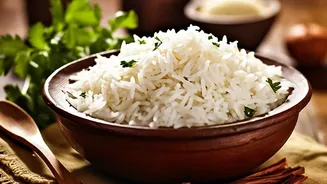
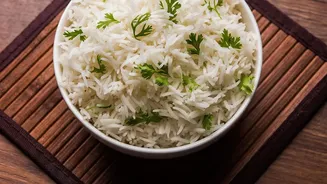
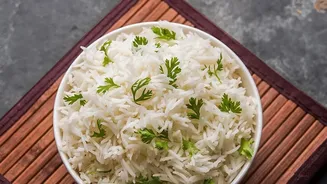
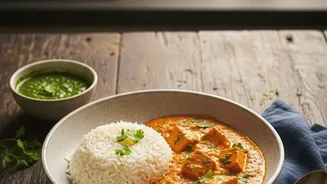
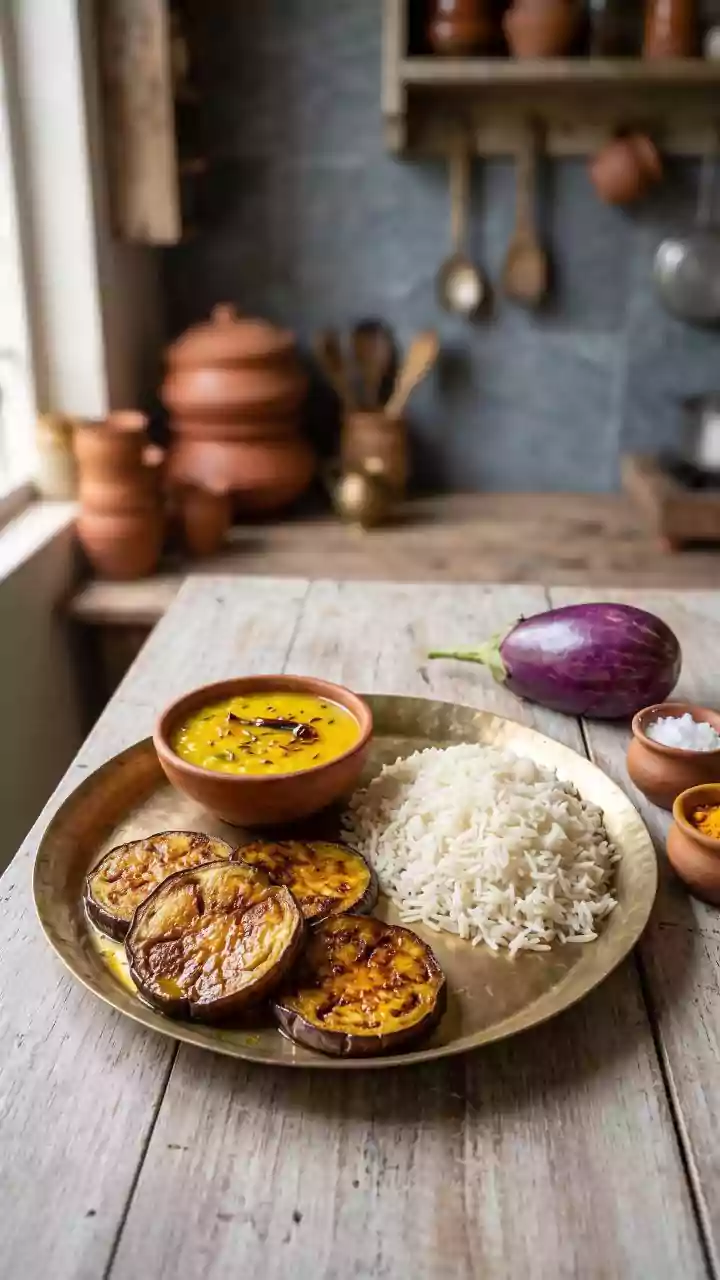
For perfect plain Basmati, start with a heavy-bottomed pot with a tight-fitting lid. For one cup of soaked and drained rice, add 1.5 cups of water, a pinch of salt, and a teaspoon of ghee or butter. Bring the water to a simmer over medium-high heat. Once it's gently bubbling, give it one last stir, then reduce the heat to the lowest possible setting. Cover the pot and let it cook undisturbed for 12-15 minutes. Do not lift the lid. Once the time is up, turn off the heat and let the pot stand, still covered, for at least 10 minutes. This resting period is crucial; it allows the steam to redistribute and the grains to firm up. Finally, open the lid and gently fluff the rice with a fork.
Level Up: One-Pot Jeera Rice
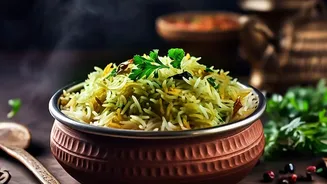
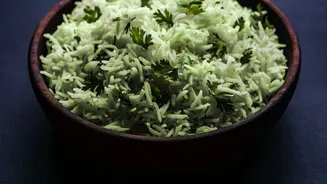
This popular dish is a simple but flavourful upgrade. Start by heating a tablespoon of ghee or oil in your pot. Add a teaspoon of cumin seeds (jeera) and let them sizzle until they become fragrant, which takes less than a minute. For extra aroma, you can also add whole spices like a bay leaf, a small stick of cinnamon, and a few cloves. Then, add your soaked and drained rice to the pot and gently toast it with the spices for a minute. Finally, add 1.5 cups of water for each cup of rice, add salt, bring to a boil, and follow the same cooking process: cover, reduce heat to low, cook for 12-15 minutes, and rest for 10 minutes before fluffing.
Next Step: A Simple Veg Pulao
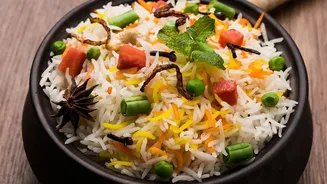
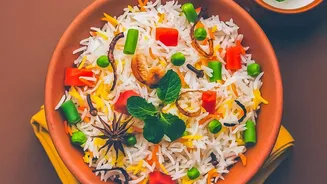
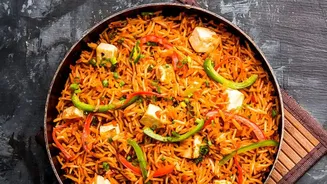
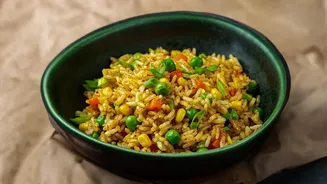
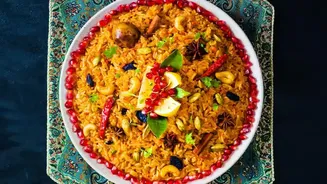
A one-pot vegetable pulao is a complete meal in itself. Begin by heating ghee or oil and sautéing whole spices like cumin seeds, bay leaf, cinnamon, and cloves. Add one thinly sliced onion and cook until translucent. Next, add a teaspoon of ginger-garlic paste and stir for a minute. Now, add your mixed vegetables—diced carrots, potatoes, beans, and peas are classic choices. Sauté them for a few minutes before adding powders like a pinch of turmeric and garam masala. Stir in your soaked and drained rice, coating it gently with the spices. Add water, using a ratio of about 1.75 to 2 cups of water for every cup of rice to account for the vegetables. Bring to a boil, cover, cook on low for 15-20 minutes, and rest before serving.
Common Pitfalls to Avoid
The most common mistakes are easily corrected. Using too much water is the number one cause of mushy rice. Stick to the ratio. Stirring the rice while it cooks is another frequent error; this breaks the delicate grains and releases starch, leading to a sticky texture. Once the lid is on, leave it alone. Cooking on high heat will cause the water to evaporate too quickly, leaving the rice undercooked. A gentle, low heat is essential for the absorption method. Finally, never skip the resting period. It’s as important as the cooking time for achieving perfectly separate, fluffy grains.