

As winter arrives, our kitchens turn to comforting, warm meals. This season, the perfect culinary partnership lies in combining ancient Indian millets with fresh, seasonal vegetables for dishes that are both nourishing and delicious.
A Perfect Winter Partnership
During colder months,
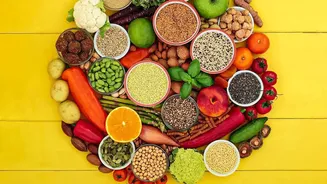
the body naturally craves foods that provide sustained energy and warmth. Millets are ideal for this. Packed with complex carbohydrates, fibre, and essential minerals like iron and magnesium, they have a natural warming effect and release energy slowly. When paired with winter vegetables—such as carrots, peas, spinach, and fenugreek (methi)—the combination becomes a nutritional powerhouse. Vegetables provide essential vitamins and antioxidants that boost immunity during a season when colds and flu are common, while millets offer the hearty foundation to keep you feeling full and warm.
Your Winter Millet Guide
Different millets offer unique flavours and textures, making them versatile for various dishes. The most popular choices for winter are known for their warming properties.
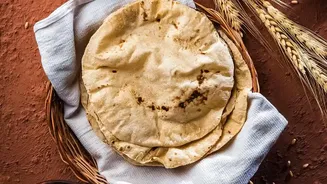
Bajra (Pearl Millet): Traditionally consumed in North India during winter, bajra has an earthy flavour and a dense texture. It is rich in iron and zinc, which help improve stamina and immunity. It's perfect for rotis and khichdi.
Jowar (Sorghum): This gluten-free millet is a great source of protein, iron, and antioxidants. It is easy to digest and helps manage cholesterol levels. Jowar is most commonly used to make bhakri or roti.
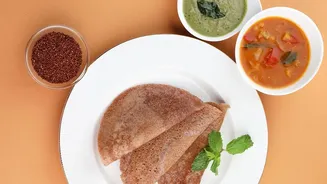
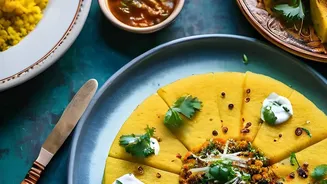
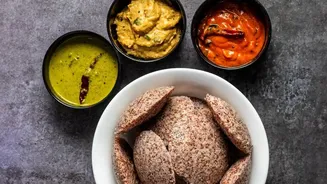
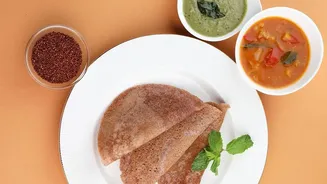
* Ragi (Finger Millet): Known for its high calcium content, ragi is excellent for bone health. Its nutritional profile also helps combat seasonal fatigue. Ragi can be used to make everything from porridge and dosas to rotis.
The Seasonal Vegetable Bounty
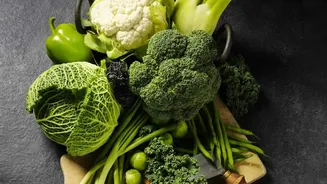
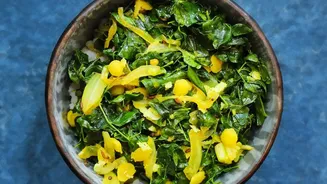
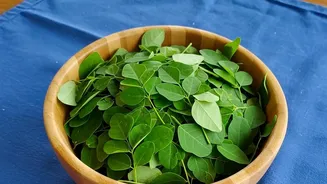
Winter in India brings a vibrant array of vegetables that pair beautifully with the nutty, earthy notes of millets. Root vegetables like carrots, radishes, and turnips offer sweetness and texture. Leafy greens such as spinach (palak), fenugreek (methi), and mustard greens (sarson) provide a slightly bitter, iron-rich contrast. Other winter staples like green peas, cauliflower, and beans add bulk, flavour, and essential nutrients to any millet-based dish, creating a balanced and complete meal.
Classic Pairings and Recipes
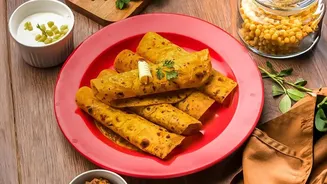
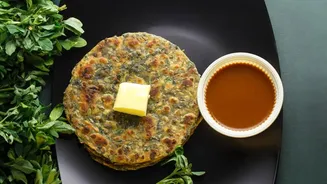
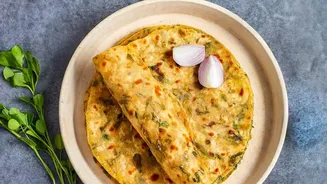
The combination of millets and vegetables is deeply rooted in traditional Indian cuisine. One of the most beloved winter dishes is Bajra Khichdi, where pearl millet and moong dal are slow-cooked with vegetables like carrots and peas into a comforting, porridge-like meal. Another classic is serving Bajra or Jowar Roti alongside vegetable preparations. Think of a plate with warm Bajra Roti topped with ghee, served with a side of Sarson ka Saag or a simple mixed vegetable curry. These combinations are not just about taste; they are designed for optimal digestion and nourishment during the cold season.
Cooking Tips for Perfect Millets
Cooking millets can seem intimidating, but a few simple tips ensure great results. First, always rinse your millets thoroughly to remove any debris. Soaking millets for a few hours is recommended, as it reduces cooking time and makes them easier to digest. As a general rule, use a 1:2 ratio of millet to water for a fluffy, grain_like texture, and increase the water for a creamier, porridge_style consistency. When making a one_pot meal like a vegetable pulao or khichdi, you can toast the millets in ghee or oil with spices before adding water to enhance their nutty flavour.
Modern Ideas for Your Kitchen
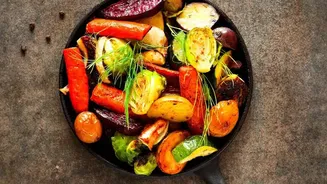
Beyond traditional recipes, millets and vegetables can be used in contemporary dishes. Try making a warm millet salad by tossing cooked foxtail millet with roasted winter vegetables like bell peppers, broccoli, and carrots, finished with a light lemon_herb dressing. You can also prepare a hearty millet and vegetable soup by cooking any millet with a vegetable broth and adding chopped seasonal veggies for a complete one_bowl meal. Millet flour can be incorporated into dosas, upma, and even baked goods, offering an easy way to add these nutritious grains to your family's diet.