







Why Vietnam is the Smart Choice
Forget the overpriced all-inclusives in the Caribbean or the crowded hostels of Western Europe. A Vietnamese graduation trip offers a far richer and more affordable experience. For what you might spend on a single weekend in Miami, you can live comfortably
for weeks in Southeast Asia. Vietnam, in particular, hits the sweet spot. It combines world-class beaches, dramatic karst landscapes, incredible food, and a vibrant culture with a famously low cost of living. It’s a destination where your dollar stretches further, allowing for a longer, more immersive adventure—the perfect transition from student life to whatever comes next.
The Southern Star: Phu Quoc
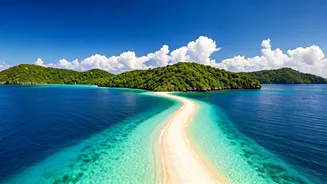
If you're looking for an easy entry into Vietnamese island life, Phu Quoc is your answer. As the country's largest island, it’s well-developed for tourism with its own international airport, making it incredibly accessible. Don't let that fool you into thinking it's lost its charm. The northern part of the island remains rugged and protected, while the southern beaches offer pristine white sand and calm, turquoise waters. You can spend your days scootering through jungle roads, exploring the famous Dinh Cau Night Market for fresh seafood, or simply lounging on Sao Beach. It’s the perfect blend of convenience and tropical bliss, ideal for a first-time visitor to the region.
The Remote Escape: Con Dao Islands
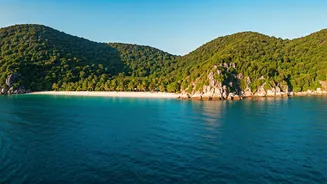
For the more adventurous graduate seeking a true getaway, the Con Dao archipelago is a must. A short flight from Ho Chi Minh City, this group of 16 islands is a former penal colony turned national park. Its dark history stands in stark contrast to its breathtaking natural beauty. The beaches are some of the most untouched in Vietnam, and the surrounding waters are a protected marine sanctuary, offering fantastic snorkeling and diving. From May to October, you can even witness sea turtles nesting on the shores. It’s quieter, more remote, and slightly more expensive to reach than Phu Quoc, but the payoff is an unparalleled sense of solitude and raw nature.
The Northern Wonder: Lan Ha Bay
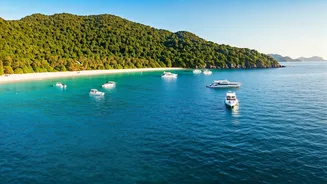
Everyone has seen photos of Halong Bay’s iconic limestone pillars, but savvy travelers head to its less-crowded southern neighbor, Lan Ha Bay. Based out of Cat Ba Island, you can experience the same jaw-dropping scenery with a fraction of the tourist boats. This is the place for activity-based travel. Rent a kayak and paddle through hidden lagoons and sea caves, go rock climbing on the sheer karst cliffs, or take a multi-day cruise on a traditional junk boat. Cat Ba Island itself has a gritty, lively town and beautiful beaches, offering a great home base for exploring one of the world's most spectacular seascapes.
Your Budget Blueprint
The “cheap” in the headline is no joke. A comfortable backpacker budget in Vietnam can range from $30 to $50 per day. Here’s a rough breakdown as of mid-2024: A dorm bed in a clean, social hostel will run you $8-$15. A private room in a guesthouse might be $20-$30. A delicious bowl of pho or a banh mi sandwich from a street vendor costs just $1-$2, while a sit-down meal with a local beer is unlikely to top $10. Renting a scooter for the day, the primary mode of transport on the islands, costs about $5-$7. With prices this low, you can afford to splurge on experiences like a boat tour or a diving trip without breaking the bank.
Logistics 101: Know Before You Go
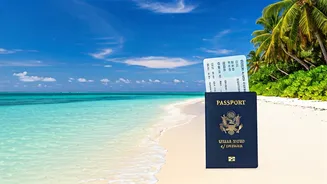
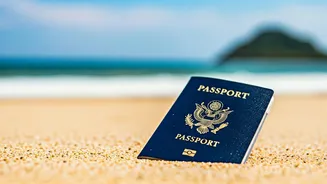
Getting to and around Vietnam is easier than ever. U.S. citizens can apply for a 90-day e-visa online before their trip. The best time to visit the southern islands is during the dry season from November to April. For the north, spring (March-May) and fall (September-November) offer the most pleasant weather. To hop between regions, Vietnam has an excellent network of budget airlines like VietJet Air and Bamboo Airways, with one-way flights often costing less than $50. For shorter distances, a combination of overnight buses and ferries is both economical and part of the adventure.