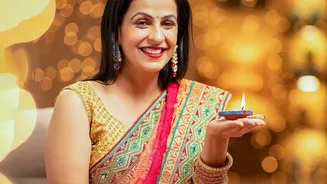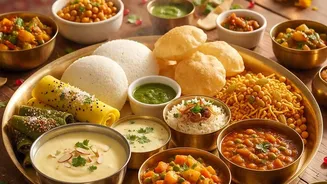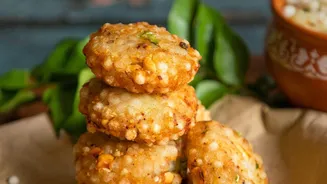



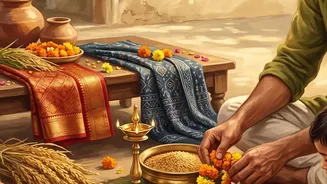
As diyas light up homes and festivities fill the air, a delicious cultural shift is unfolding on India’s snack platters. This year, the familiar collection of sweets and savouries is increasingly featuring a Maharashtrian star: faral.
What Exactly Is Faral?
For the uninitiated,
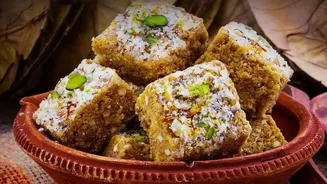
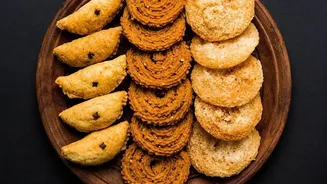
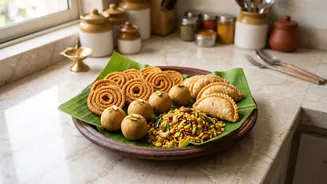
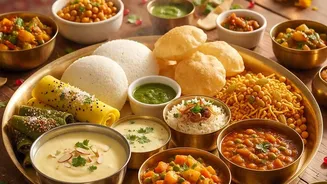
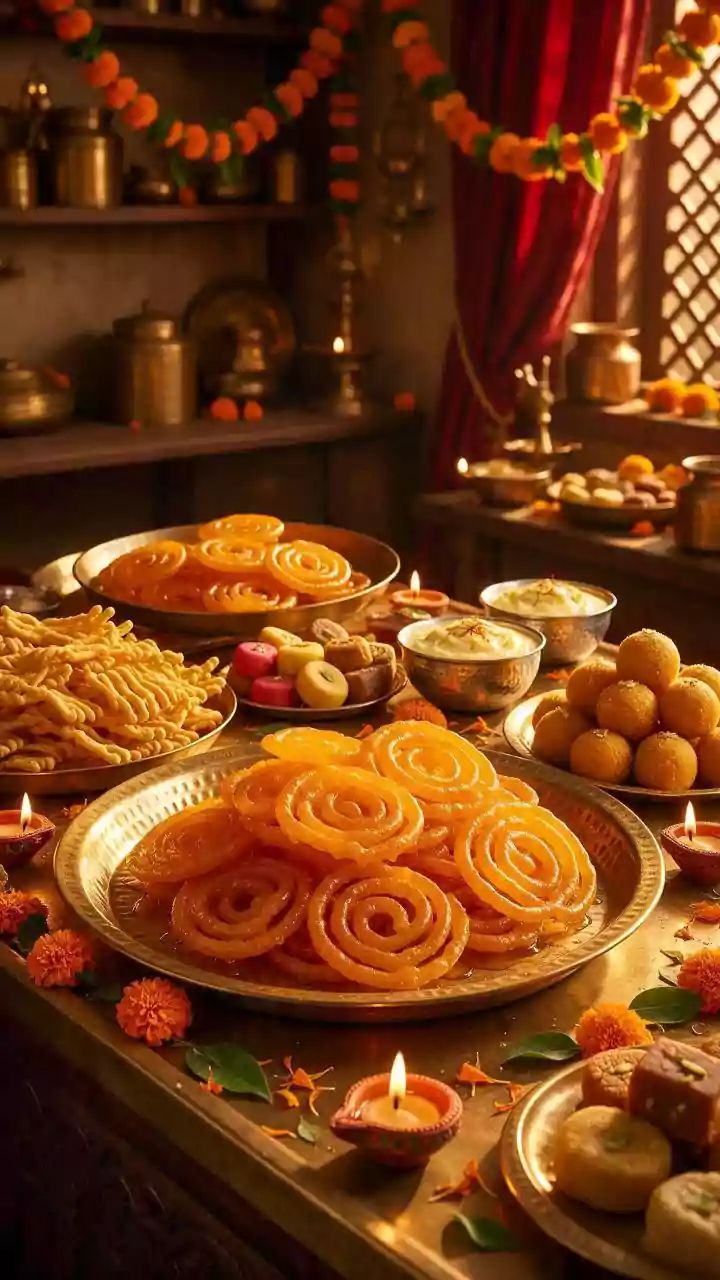
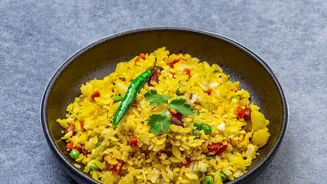
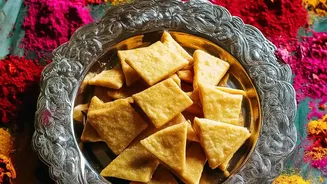
'faral' isn't a single dish but a lovingly prepared assortment of sweet and savoury snacks that are central to Diwali celebrations in Maharashtra. This festive platter traditionally includes a balance of flavours and textures. On the savoury side, you'll find the iconic spiral-shaped 'chakli', a crunchy snack made from rice and gram flour, and 'poha chivda', a light, seasoned mix of flattened rice, nuts, and spices. The sweet offerings often feature 'shankarpali', crispy, diamond-shaped fried biscuits that can be sweet or savoury, and 'karanji', a crescent-shaped pastry with a sweet filling of coconut and cardamom. Families often begin preparing these items days in advance, creating a bounty to share with the many guests who visit during the festival.
The Modern Melting Pot
So, what’s driving faral's journey from Maharashtrian homes to the national palate? The answer lies in India's modern, multicultural urban spaces. Workplaces, residential societies, and social gatherings have become vibrant arenas for cultural exchange. The Diwali potluck at the office or the casual exchange of festive treats among neighbours introduces people from diverse backgrounds to these regional specialities. A colleague from Mumbai sharing homemade chakli can spark a newfound appreciation that quickly spreads. This informal sharing has become a powerful engine of culinary discovery, turning a regional tradition into a shared experience. The simple act of gifting a box of snacks transcends cultural boundaries, fostering a sense of community and connection during the festive season.
From Home Kitchens to Online Carts
The tradition of sharing has also found a powerful ally in the digital world. What once happened over the fence now happens with a click. A growing number of home chefs and small businesses, many run by women, are now selling authentic, homemade faral online. These entrepreneurs are finding an eager market beyond their own communities. Websites and social media pages for brands like Ruchkar, Patil Kaki, and Sweet Karam Coffee showcase beautifully packed faral hampers, making them available not just in other cities but also internationally. This digital marketplace allows consumers to access traditional, preservative-free snacks that offer a taste of authenticity which mass-produced alternatives often lack. The convenience of ordering a curated box of faral for gifting or personal consumption has been a game-changer.
A Feast for the Eyes
In the age of social media, we eat with our eyes first, and faral is incredibly photogenic. The intricate spiral of a chakli, the golden hue of a karanji, and the colourful medley of a chivda make for irresistible posts on platforms like Instagram. Food bloggers and home cooks sharing pictures of their faral preparations create a visual feast that piques curiosity. As these images circulate, they introduce faral to a wider audience who may not have encountered it before. This visual appeal, combined with the stories and traditions shared alongside the photos, helps build a narrative around the food, making it more than just a snack—it becomes a cultural artefact worth exploring and tasting. The rise of newage snack brands leveraging sleek packaging and digital marketing further amplifies this trend, placing traditional snacks in a modern, aspirational context.