




Understanding Low-Impact Fitness
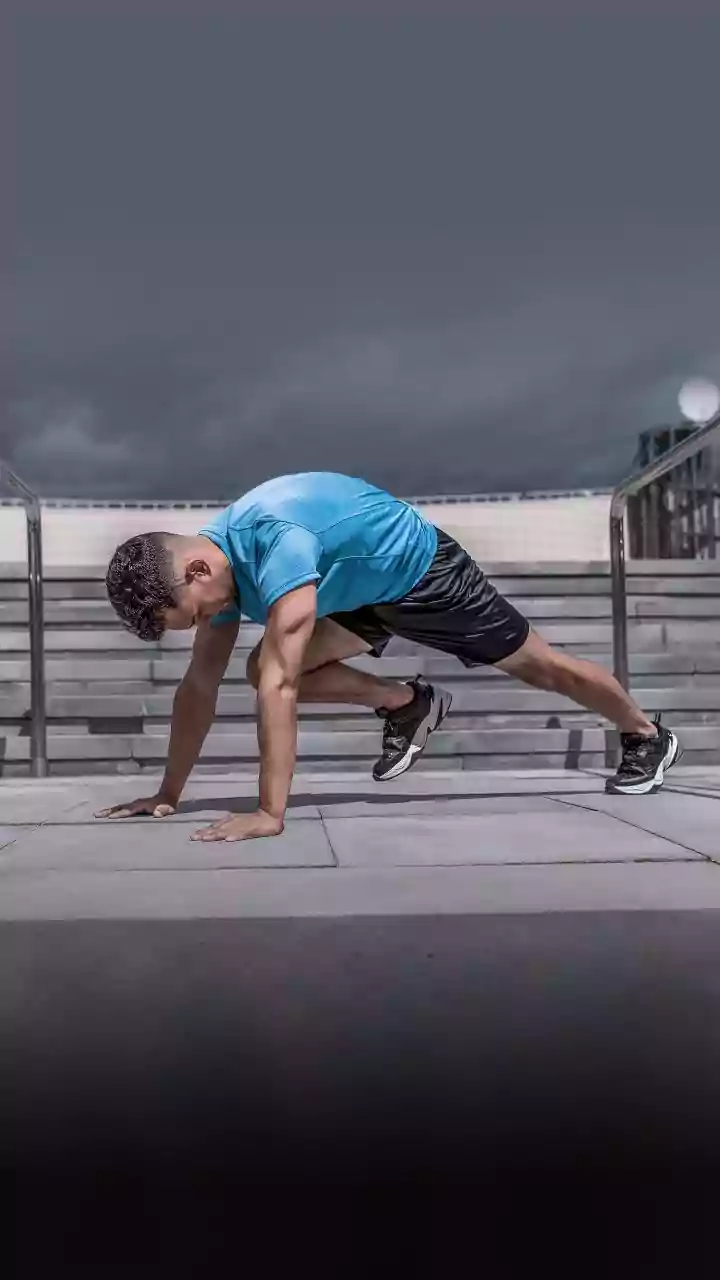
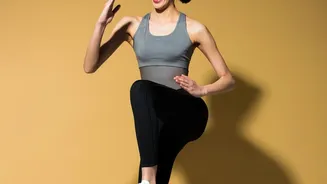
Before diving into specific exercises, it's helpful to know what 'low-impact' really means. Unlike high-impact activities such as running or jumping, low-impact workouts ensure that one of your feet remains on the ground or on a pedal at all times. This
simple difference dramatically reduces the jarring force and stress placed on your joints, particularly your knees, hips, and ankles. This approach allows you to raise your heart rate, burn calories, and strengthen your muscles without aggravating existing pain or causing new injuries, making it ideal for all fitness levels, especially those with joint concerns or recovering from an injury.
Swimming and Water Aerobics
Often called the perfect exercise, swimming is a top choice for joint-friendly fitness. The natural buoyancy of water supports up to 90% of your body weight, which effectively removes pressure from your joints. This weightless environment allows for a greater range of motion and helps improve flexibility. The water also provides gentle, consistent resistance, strengthening the muscles around your joints without the strain of weights. This combination of support and resistance boosts circulation, which can help reduce pain and inflammation. If swimming laps isn't for you, consider water aerobics or even water walking for similar benefits.
Cycling: Smooth and Steady
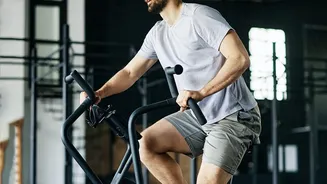
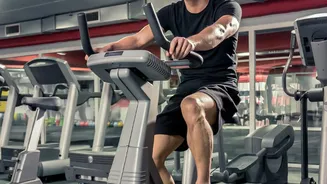
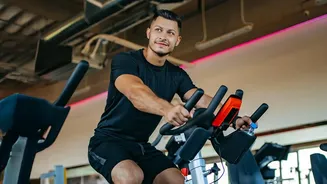
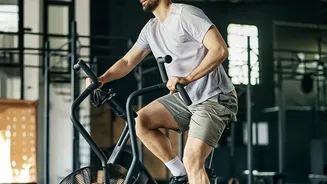
Whether you're on a stationary bike or cruising through your neighbourhood, cycling is an excellent low-impact cardio option. The smooth, circular motion builds strength in your quadriceps, hamstrings, and glutes—key muscles that support and stabilise the knee joint. Stronger muscles absorb more force, taking pressure off the joints themselves. Research has shown that stationary cycling can reduce pain and improve function for people with knee osteoarthritis. For maximum comfort, proper bike fit is crucial. Adjusting the seat height ensures you get a slight bend in your knee at the bottom of the pedal stroke, which prevents overextension and strain.
Elliptical Training: Glide, Don't Pound
The elliptical machine was specifically designed to provide a low-impact workout that mimics running without the damaging shock absorption. Because your feet never leave the pedals, there is no foot-strike impact, making it a far gentler option for those with sensitive knees. This fluid, gliding motion protects your knees, hips, and back. Many elliptical machines also have moving handlebars, allowing you to engage your upper body for a full-body workout that increases your calorie burn and cardiovascular effort. This makes it an efficient and safe way to elevate your heart rate.
Rowing: A Full-Body Powerhouse
Don't let the seated position fool you; rowing is a powerful, low-impact exercise that engages over 80% of your body's muscles. It is a non-weight-bearing activity that puts minimal stress on the knee joints while promoting a healthy range of motion. The primary movement strengthens your legs, core, and back, all of which contribute to better overall stability and support for your knees. It's an incredibly efficient way to build cardiovascular endurance and muscular strength simultaneously. Proper form is key to reaping the benefits and avoiding strain, so focus on driving with your legs rather than pulling with your arms.
Walking: Simple and Effective
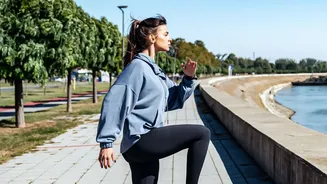
Never underestimate the power of a brisk walk. Walking is one of the most accessible and effective forms of low-impact cardio. While running can be jarring, walking exerts a similar amount of force on the knees as an elliptical. It improves heart health, strengthens lower body muscles, and can be done almost anywhere without special equipment. To increase the intensity without adding impact, try walking on an incline on a treadmill, increasing your pace, or incorporating intervals of faster walking. Investing in supportive, well-cushioned shoes is essential to ensure your joints stay comfortable and protected.