






The Airline's Pricing Puzzle
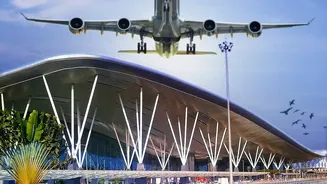
The price of your flight ticket has less to do with the distance you travel and more to do with the airline's complex cost structure. Airlines have massive fixed costs, including aircraft maintenance, crew salaries, airport landing fees, and navigation
charges. These costs are incurred whether the plane is flying from Mumbai to Pune or Mumbai to Kolkata. For shorter flights, there are fewer passengers and a shorter flight time over which to distribute these substantial fixed expenses. This means the per-passenger cost for a short-haul route can be surprisingly high, as the operational costs of takeoff and landing are the most intensive parts of any flight.
The Power of Dynamic Pricing
Airlines use a strategy called 'dynamic pricing' or 'yield management' to maximize revenue. Prices aren't fixed; they fluctuate in real-time based on demand. A flight on a popular business route, like Bengaluru to Chennai, might be expensive due to high demand, regardless of the short distance. In contrast, a longer, less-travelled flight path may have cheaper seats to attract passengers and ensure the plane doesn't fly empty. This is why booking last-minute flights for holidays or emergencies can be astronomically expensive, as airlines capitalize on the urgent demand. Your timing matters more than the mileage.
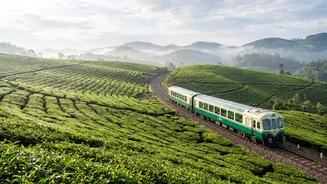
The Different Economics of Railways
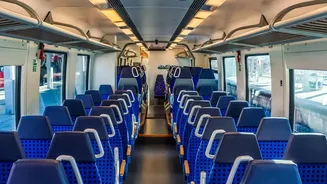
Indian Railways operates on a different economic model. While it also has significant infrastructure costs, its pricing is often regulated and, in many cases, subsidized to make it an affordable mode of transport for the masses. The cost of adding one more passenger to a long-distance train is relatively low. Fares are structured more closely to distance and class of travel, from budget-friendly Sleeper Class to premium AC First Class, offering a wider range of price points. This predictable pricing structure means a 1,500 km journey in a 2AC coach often has a stable, reasonable price, while a 500 km flight booked at the wrong time could cost double.
Don't Forget the Hidden Costs
The sticker price of a flight ticket is rarely the final amount you pay. Budget airlines, in particular, generate significant revenue from ancillary services. Checked baggage fees, seat selection charges, and even a meal can add up quickly. Furthermore, airports are almost always located on the outskirts of cities. The cost and time of travelling to and from the airport can add a significant, often overlooked, expense to your journey. Train stations, on the other hand, are typically located in the heart of the city, making them far more accessible and reducing these 'last-mile' costs.