





The Hidden Dangers of Damaged Tools
Using a blunt or damaged grooming tool is more than just an inconvenience; it's a safety risk. Dull blades don't cut cleanly, instead pulling and tugging at hair, which can be painful and lead to an uneven finish. More importantly, compromised edges on razors,
scissors, or clippers dramatically increase the likelihood of nicks and cuts. These small wounds create an entry point for bacteria that may be present on unhygienic tools, potentially causing skin infections like folliculitis or aggravating conditions like acne. Rusty blades are particularly hazardous as their porous surface is an ideal environment for bacteria to thrive. A dull tool also forces you to apply more pressure, raising the chances of a slip or a more significant injury.
Inspecting Your Razors and Shavers
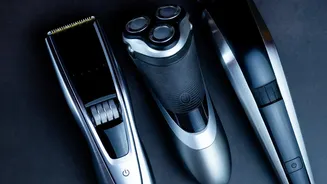
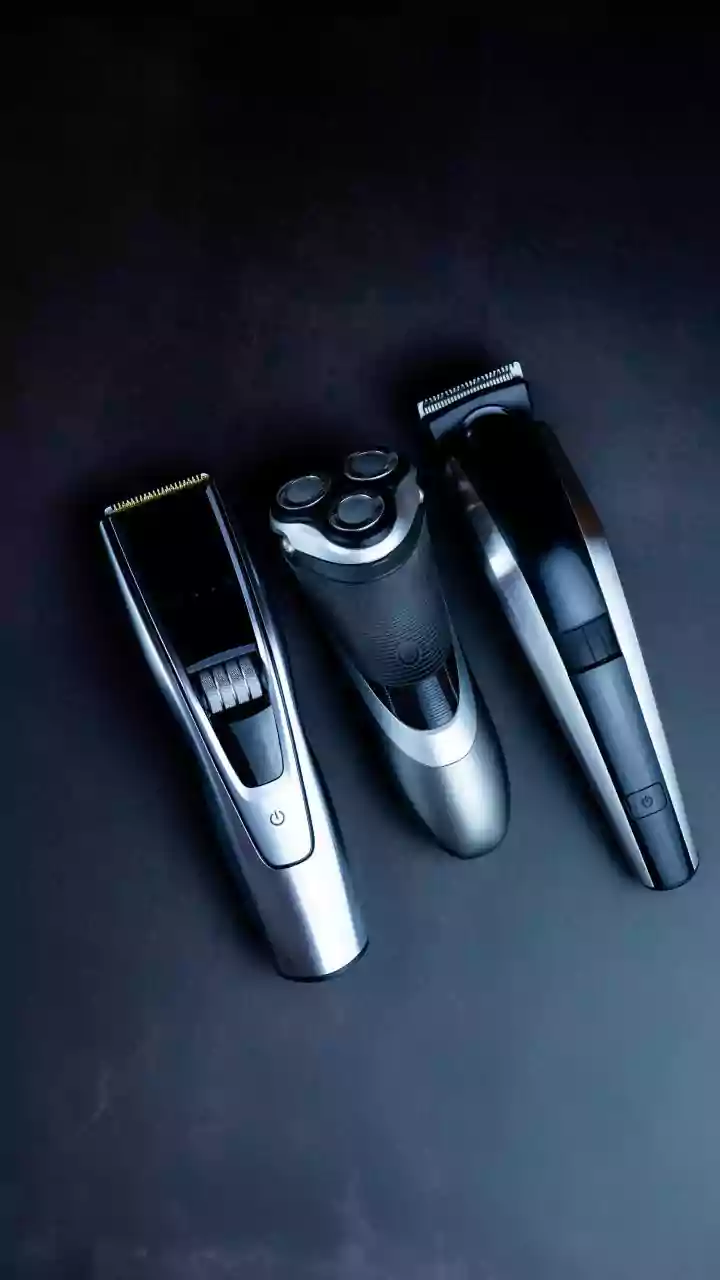
For both cartridge razors and electric shavers, the blades and foils are the primary points of concern. Check razor cartridges for any visible nicks on the blades, bent fins, or signs of rust. Running a finger very carefully over the blades (when dry and off) can reveal roughness, a key sign of dullness. A dull razor blade is a leading cause of razor burn, irritation, and ingrown hairs. For electric shavers, inspect the foil for any dents, cracks, or holes, as these can easily pinch or cut the skin. Listen to the motor; if it sounds strained or louder than usual, it could indicate that the blades underneath are clogged or dull and need cleaning or replacement.
Examining Scissors and Shears
Whether you use them for hair or beards, grooming scissors must be perfectly aligned and sharp. Close the blades and hold them up to a light; you should not see any gaps between them. A gap means they will fold or push hair instead of cutting it cleanly. Check the tips to ensure they are perfectly aligned and not bent, which can happen easily if they are dropped. Open and close the scissors to feel the movement. It should be smooth and consistent, not loose or gritty. Any feeling of catching or grinding indicates a nick in the blade that requires professional attention. Never try to cut paper with your grooming scissors, as this will dull them quickly.
Checking Electric Clippers and Trimmers
Electric clippers have powerful motors, but their performance is entirely dependent on the blade's condition. The most obvious sign of a problem is hair pulling or snagging instead of being cut cleanly. Visually inspect the teeth of the blade for any that are broken, bent, or missing. Using a clipper with a damaged tooth can easily result in an uneven cut or skin injury. Also, check for rust, especially if the clippers are stored in a humid environment like a bathroom. Regularly cleaning out hair buildup and oiling the blades is essential to prevent friction, which causes the blades to dull faster and the motor to overheat.
What to Do With Worn or Damaged Tools
Once you've identified a damaged tool, the next step depends on the item and the extent of the damage. For disposable razor cartridges, the answer is simple: replace them. For more expensive items like high-quality scissors and electric clipper blades, professional sharpening can restore a clean, sharp edge. Many manufacturers or specialised services offer sharpening, which is often recommended every 3-6 months for frequent users. If a tool has significant damage, like a cracked blade, a broken clipper tooth, or deep rust pitting, it is safest to replace it entirely. Continuing to use a compromised tool is not worth the risk to your skin.