



Understanding Your Ingredient: Zest vs. Juice
The secret to powerful orange flavour lies not in the juice, but in the peel. The colourful outer layer, or zest, is packed with aromatic oils that deliver a concentrated, bright citrus punch without adding extra liquid that can ruin a recipe's texture.
The juice provides acidity and sweetness, but its flavour is far less intense. Most recipes use a combination: zest for deep, aromatic flavour and juice for a tangy, acidic kick. When zesting, be sure to only grate the orange part, as the white pith underneath is bitter. For maximum impact, rub the fresh zest into the sugar at the start of your recipe; the sugar crystals help release the flavourful oils.
The Sweet and Tangy Equation
Achieving balance is all about managing the interplay of sugar, acid, and fat. Oranges vary in sweetness, so it's wise to taste as you go. If your orange juice is particularly sweet, you might need to reduce the sugar in your recipe or add a squeeze of lemon juice to introduce more acidity and complexity. In recipes like curds, custards, and glazes, this is especially important. The richness of ingredients like butter and eggs can mellow the citrus, so a strong tangy element is needed to cut through and keep the dessert from tasting flat. A simple orange glaze, made from powdered sugar and fresh juice, is a perfect place to practice, adjusting with more sugar for sweetness or more juice for tang until it's just right.
In Cakes and Bakes
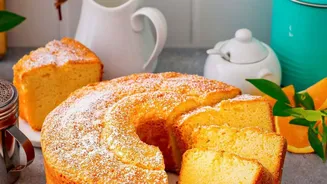
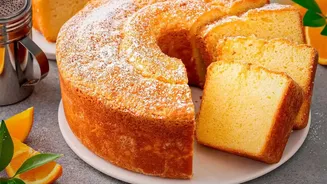
When adding orange to cakes, muffins, and cookies, the goal is to infuse flavour without making the batter soggy. This is where zest truly shines. Creaming butter, sugar, and orange zest together at the beginning of the mixing process ensures the aromatic oils are distributed evenly throughout the batter. While some recipes call for orange juice, be mindful of the extra liquid. Often, a combination of milk or yogurt with orange juice is used. For a truly saturated flavour, a syrup made from orange juice and sugar can be brushed over the cake while it's still warm, allowing it to soak in and create a moist, flavourful result.
Perfect Pairings: Chocolate, Almonds, and Spices
Orange is a team player, and its flavour is enhanced by a variety of partners. The most classic pairing is dark chocolate; the rich bitterness of the cocoa is beautifully cut by the orange's bright acidity in everything from brownies to mousse. Almond is another go-to, with its nutty sweetness providing a wonderful base for orange in cakes and shortbreads. For a warmer, more fragrant profile, consider spices like cinnamon, cardamom, cloves, or ginger. These combinations work especially well in cooler months, lending a festive feel to cookies and spiced cakes. Even herbs like rosemary and thyme can create a surprisingly sophisticated and delicious pairing.
Simple Yet Elegant: Curds and Creams
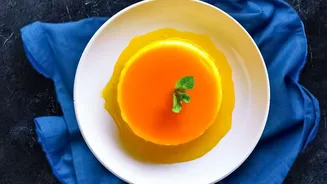
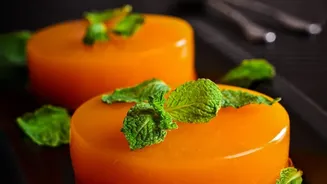
Some of the most elegant orange desserts are also the simplest. An orange tart, with its buttery crust and silky, glowing filling, is a prime example of balance. The filling is essentially a rich orange curd made from juice, zest, sugar, eggs, and butter. Another effortless dessert is an orange posset, a creamy, set dessert that requires just three ingredients: heavy cream, sugar, and orange juice. The acid from the juice causes the heated cream to set into a luscious, spoonable dessert that is pure citrus bliss. Both these desserts showcase how the fundamental elements of orange can create something truly special with minimal fuss.