
1. Gaganyaan: India's Giant Leap into Human Spaceflight
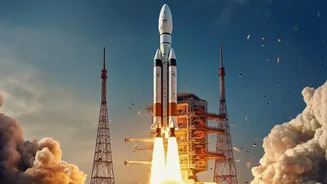
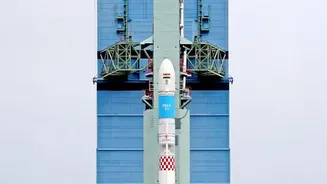
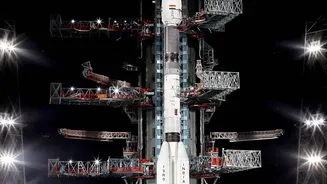
The Gaganyaan programme is arguably ISRO's most ambitious endeavour yet: sending Indian astronauts, or 'Vyomanauts', into space. The primary objective is to demonstrate the capability to launch a crew of three into a 400-kilometre Low Earth Orbit for
a three-day mission and bring them back safely to Earth. The first uncrewed test flight, Gaganyaan-1 (G1), is anticipated in the latter half of 2026, followed by further tests before the first crewed flight, which is tentatively planned for 2027. This mission isn't just about joining the elite club of nations with human spaceflight capabilities; it's a monumental step that will catalyse research, technology development, and national pride for generations to come.
2. Mangalyaan-2: A Bold Return to the Red Planet
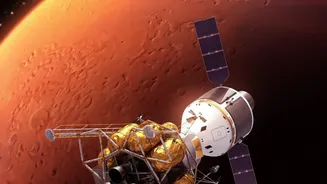
Building on the phenomenal success of the Mars Orbiter Mission (MOM), Mangalyaan-2 is set to be a far more complex undertaking. While the final architecture is still being refined, current plans suggest the mission will feature not just an orbiter with advanced scientific instruments but potentially a lander and rover as well. This represents a significant technological leap, moving from observing Mars from orbit to exploring its surface directly. The mission aims to study the Martian surface, atmosphere, and climate in greater detail, potentially even looking for signs of past life. While a firm launch date is yet to be set, it represents a critical next step in India's interplanetary exploration journey.
3. Shukrayaan-1: Unveiling the Mysteries of Venus
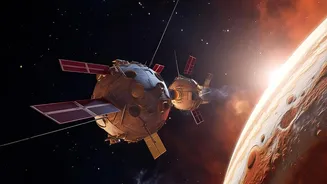
Often called Earth's 'twin sister' due to its similar size and mass, Venus is a world of extreme heat and crushing pressure. ISRO's Venus Orbiter Mission, Shukrayaan-1, aims to perform a comprehensive study of this enigmatic planet. Formally approved in September 2024, the mission is scheduled for launch on March 29, 2028. The orbiter will carry a suite of instruments, including a high-resolution synthetic aperture radar to map the Venusian surface, which is perpetually shrouded by thick clouds. The mission will investigate the planet's atmospheric chemistry and its interaction with the solar wind, providing clues as to why Venus's climate evolution was so different from Earth's. International partners, including Sweden, will also contribute instruments to the mission.
4. Chandrayaan-4: Bringing a Piece of the Moon to Earth
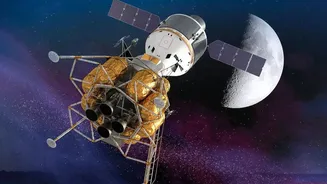
After successfully landing on the lunar south pole with Chandrayaan-3, ISRO is now planning a highly complex sample-return mission. Chandrayaan-4, targeted for a 2028 launch, aims to collect soil and rock samples from the Moon and return them safely to Earth for scientific analysis. This would make India only the fourth country to achieve this feat. The mission is incredibly challenging, involving multiple modules, two separate launches, in-orbit docking, and a robotic system to collect and transfer the samples for the return journey. Success would not only yield invaluable scientific data but also master the critical technologies needed for future lunar bases and human landings.
5. SPADEX: Mastering the Art of Space Docking
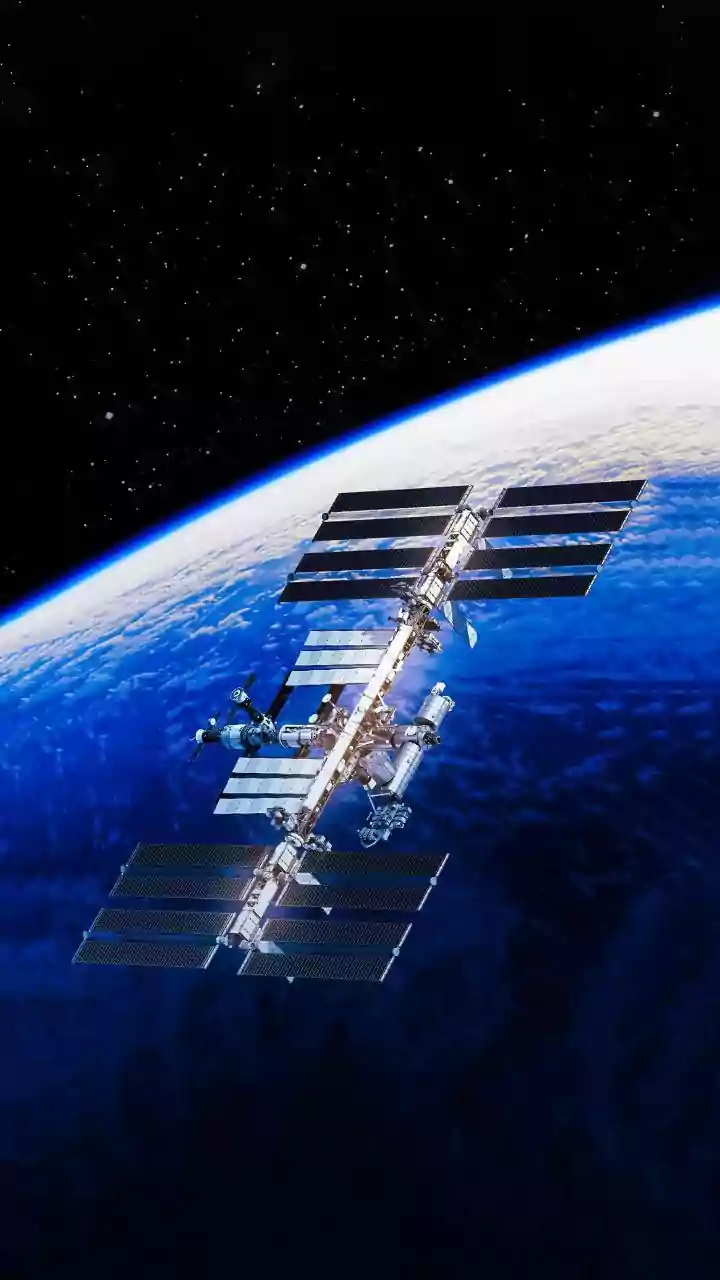
The Space Docking Experiment (SPADEX) is a crucial technology demonstration mission. Successfully launched in late 2024, the mission involves two small satellites designed to autonomously find each other, rendezvous, and dock in orbit. This technology is a fundamental building block for almost all advanced future space activities. It is essential for constructing the planned Bharatiya Antariksh Station (Indian Space Station), servicing satellites in orbit, and assembling larger spacecraft for interplanetary journeys. Mastering autonomous docking is less about a single destination and more about creating the capability for a sustained and versatile presence in space.
6. Reusable Launch Vehicle (RLV): The Key to Low-Cost Space Access
To truly become a spacefaring power, launch costs must come down. That's the goal of ISRO's Reusable Launch Vehicle (RLV) programme. Nicknamed 'Pushpak', the winged technology demonstrator is designed to fly back to Earth after launch and land on a runway like an airplane, allowing it to be reused for future missions. ISRO has already conducted several successful landing experiments (LEX), where the vehicle was dropped from a helicopter and demonstrated its ability to autonomously navigate and land with precision. While an operational, fully reusable rocket is still some years away, these successful tests prove that ISRO is making significant strides toward developing the game-changing technology for affordable and frequent access to space.
7. NISAR: A Global Watchdog for a Changing Planet
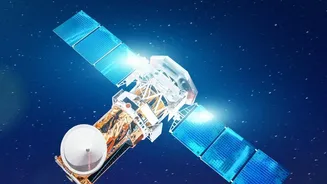
A landmark collaboration between NASA and ISRO, the NISAR (NASA-ISRO Synthetic Aperture Radar) satellite was successfully launched in July 2025. Now in its operational phase, it is the world's most expensive Earth-imaging satellite. NISAR uses two different radar frequencies to provide an unprecedented, detailed view of our planet's surface, observing everything from the flow of glaciers and ice sheets to changes in forests and the impacts of natural disasters like earthquakes and volcanoes. By scanning nearly the entire globe every 12 days, NISAR is generating a massive dataset that will help scientists understand and respond to the effects of climate change, manage resources, and safeguard communities.