





The Pacific's Global Influence
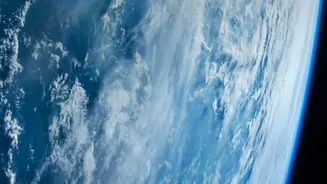
Thousands of kilometres away, the vast expanse of the tropical Pacific Ocean acts as a massive engine for the world's climate. When its surface waters warm up significantly more than usual, it sets off a chain reaction known as the El Niño-Southern Oscillation
(ENSO). This phenomenon disrupts typical atmospheric and ocean circulation patterns. During a strong El Niño event, this abnormal warmth in the central and eastern Pacific can weaken the trade winds that are connected to the moisture-laden monsoon winds over India. While not every El Niño leads to a poor monsoon, a severe event raises the probability of below-normal rainfall across large parts of the country, setting the stage for significant disruption.
An Altered Monsoon
The Indian summer monsoon is the lifeblood of the nation's economy, especially its agricultural sector. It is driven by the temperature difference between the heating landmass of Asia and the cooler Indian Ocean. A warming Pacific competes with this natural process. The altered atmospheric circulation caused by El Niño can suppress the formation of rain-bearing clouds and lead to a weaker, more erratic monsoon. This can manifest as delayed onset of rains, prolonged dry spells during the crucial growing season, and an overall reduction in seasonal rainfall. Historical data shows a strong correlation: El Niño years often coincide with drought conditions and significantly lower rainfall for India. The India Meteorological Department (IMD) often puts the country on alert when strong El Niño conditions are forecast.
The Direct Hit on Food Security
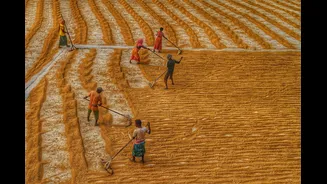
A faltering monsoon has a direct and immediate impact on India's food production. About half of the country's farmland is rain-fed, making it highly vulnerable to monsoon variability. Key Kharif (summer) crops like rice, maize, pulses, cotton, and sugarcane are particularly at risk. Studies have shown that during El Niño years, foodgrain production can decline significantly. Some analyses indicate that rice production alone has dropped by an average of 3.4 million tonnes during past warm ENSO phases. This reduction in output not only affects the livelihoods of millions of farmers but also leads to tighter supplies in the market, often pushing up food prices and contributing to broader inflation.
Strain on Precious Water Resources
The impact of a weak monsoon extends beyond the fields to the nation's water reservoirs. Reduced rainfall means less water to replenish rivers, lakes, and dams, which are critical for drinking water supply, sanitation, and hydroelectric power generation. Across India, major reservoirs can see their water levels drop to alarmingly low percentages of their capacity following a poor monsoon, as was seen in previous drought years. This puts immense pressure on urban and rural water supplies alike. Furthermore, with less surface water available, there is an increased reliance on groundwater, leading to faster depletion of already-stressed aquifers. In arid and semi-arid regions, farmers are often forced to dig deeper and more expensive borewells to find water, a desperate measure against a changing climate.
A More Complex Future
While El Niño is a natural cycle, its effects are being amplified by overall global warming. A warmer planet can lead to more intense and frequent extreme weather events. Scientists are also observing changes in long-standing climate relationships. For instance, recent research suggests the traditional link between the Pacific and Indian Oceans, which forecasters have relied on for centuries, has been weakening since the 1980s due to human-caused warming. This breakdown in historical patterns makes monsoon forecasting more challenging and introduces new uncertainties. India's resilience has improved over the years with better technology and practices, but the combination of natural cycles and man-made climate change presents a formidable and ongoing challenge.