





The Seasonal Superstar Returns
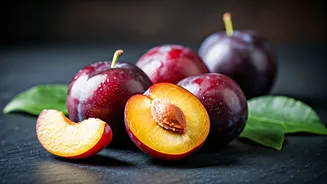
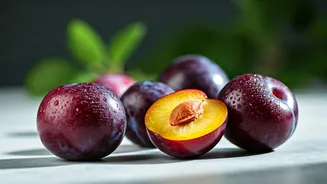
The current buzz around plums in India isn't just a fleeting social media fad; it's deeply rooted in seasonality and a growing wellness consciousness. Plums, or 'aloo bukhara', have their peak season in the country from late spring into the monsoon months,
roughly May to September. This is when the fruit is at its juiciest, most flavourful, and nutritionally potent. The "trend" is essentially a collective rediscovery of a seasonal gem. As more people prioritise eating locally and seasonally, plums are naturally finding their way back into the spotlight. This renewed appreciation is also fuelled by a greater understanding of how much nutritional power is packed into this small, sweet-tart fruit.
A Deep Dive into Antioxidants
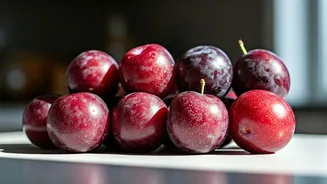
The headline feature of the plum is its impressive antioxidant content. Antioxidants are compounds that protect your body's cells from damage caused by harmful molecules called free radicals. This damage, known as oxidative stress, is linked to chronic inflammation and a host of diseases. Plums are particularly rich in a type of antioxidant called polyphenols, especially anthocyanins. These are the very pigments that give deep-red and purple plums their beautiful, dark colour. In fact, studies suggest that the concentration of these protective compounds in a plum's skin can be up to 20 times higher than in its flesh, so it's best to eat the fruit whole.
More Than Just a Pretty Colour
While the anthocyanins get a lot of attention, plums offer a much wider range of health benefits. They are a fantastic source of dietary fibre, which is crucial for good digestion and can help prevent constipation. Plums also contain sorbitol, a natural sugar alcohol that acts as a mild laxative, further promoting gut health. Beyond digestion, plums provide a good dose of Vitamin C, which is essential for a healthy immune system and skin, as well as Vitamin K and potassium. The potassium in plums is particularly beneficial for heart health as it can help manage blood pressure.
Blood Sugar and Weight Management
Despite their sweet taste, plums have a low glycaemic index. This means they don't cause a rapid spike in blood sugar after you eat them. The fibre content helps slow the absorption of sugar into the bloodstream, making them a suitable fruit choice for people managing their blood sugar levels. This slow energy release, combined with their fibre and water content, also helps you feel fuller for longer. This can aid in weight management by reducing the temptation to reach for less healthy, high-calorie snacks between meals.
Choosing and Enjoying Your Plums
Making the most of plum season is easy. When selecting fresh plums, look for fruit that is plump with smooth skin and yields slightly to gentle pressure. They can range in colour from greenish-yellow to deep purple-black. If they're a bit firm, you can leave them at room temperature for a day or two to soften. Once ripe, they should be stored in the refrigerator to prolong their freshness. Enjoy them fresh as a simple snack, slice them into salads for a sweet and tangy contrast, add them to your morning yoghurt or oatmeal, or even simmer them down into a delicious chutney or jam to enjoy later.