




A Strategic Shift in the Indian Cosmos
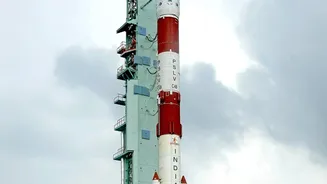
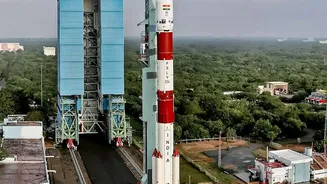
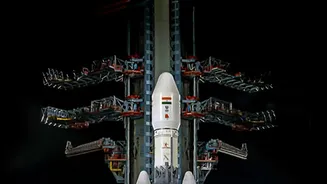
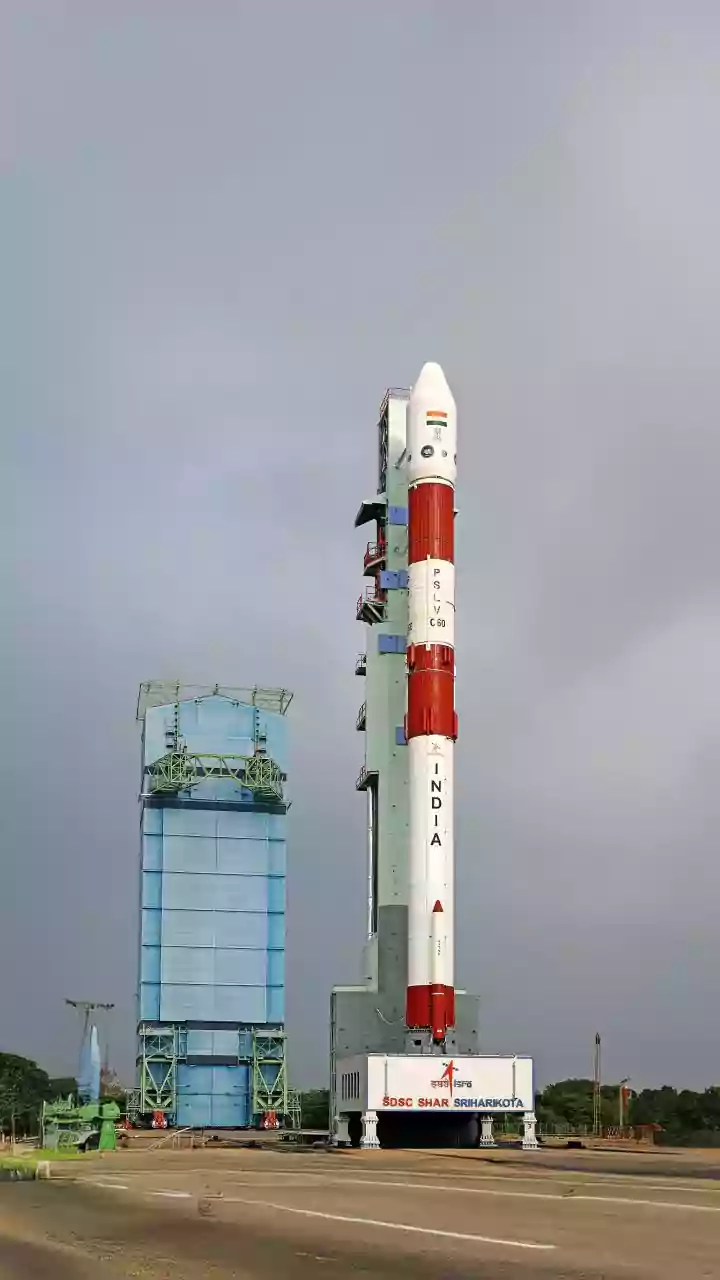
For decades, the Indian Space Research Organisation (ISRO) was the sole custodian of India's space ambitions, earning global respect for its technological prowess and cost-effective missions. From launching satellites to exploring the Moon and Mars, ISRO has
been a symbol of national pride and self-reliance. However, in recent years, a monumental shift has been underway. Recognizing that the future of the global space economy—projected to exceed $1 trillion in the coming decades—lies in collaboration and commercialization, India has strategically opened its space sector to private enterprise. This move is less about ISRO taking a step back and more about it stepping into a new, crucial role: that of a mentor and facilitator for a vibrant private ecosystem. The goal is to grow India's share of the global space economy from its current 2-3% to a much more significant slice.
The Twin Engines: IN-SPACe and NSIL
This transformation is being driven by two key government bodies. NewSpace India Limited (NSIL), established in 2019, acts as ISRO's commercial arm. Its mandate is to commercialize ISRO's technologies, manage satellite-building contracts, and handle launch services, effectively acting as a bridge between ISRO's vast capabilities and industrial demand. Complementing NSIL is the Indian National Space Promotion and Authorisation Centre (IN-SPACe). Acting as a single-window agency, IN-SPACe facilitates, promotes, and authorizes the activities of private space companies. It allows startups to access ISRO's world-class testing facilities, infrastructure, and technical expertise, significantly lowering the barrier to entry for complex space ventures. Recent policies even offer subsidies of up to 50% for using ISRO facilities and 30% for technology transfer fees, making the sector even more attractive.
A New Galaxy of Startups Takes Flight
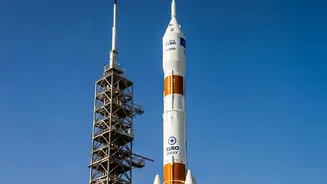
The impact of these reforms has been nothing short of explosive. From just a handful a decade ago, India now boasts nearly 400 space-tech startups. These companies are not just dreaming; they are building, launching, and innovating. Skyroot Aerospace, founded by former ISRO scientists, made history by launching Vikram-S, India's first privately developed rocket, and followed up with the successful orbital launch of Vikram-1. Another leader, AgniKul Cosmos, incubated at IIT Madras, has pioneered the world's first single-piece 3D-printed rocket engine and established India's first private launchpad. These companies aim to provide rapid, on-demand launch services for small satellites, a fast-growing segment of the global market. Their success has attracted significant investment, signaling strong investor confidence in India's private space capabilities.
More Than Just Launch Vehicles
The innovation isn't limited to rockets. The new space ecosystem spans the entire value chain. Bengaluru-based Pixxel is deploying a constellation of hyperspectral imaging satellites to provide revolutionary data for agriculture, mining, and climate monitoring. Hyderabad's Dhruva Space specializes in building satellites and orbital deployers, having successfully tested its technology on ISRO's own PSLV missions. Other startups like Digantara are focused on space situational awareness, essentially acting as traffic management for space to monitor debris and satellites. This diversification shows the depth of the ecosystem, which now includes propulsion systems, satellite data analytics, and ground station services, creating thousands of high-skilled jobs and contributing significantly to the economy.
Fueling the Future of Indian Innovation
ISRO's direct support has been crucial. By providing access to its facilities for critical tests, sharing historical data, and offering technical mentorship, the organization has saved startups invaluable time and resources. For instance, ISRO facilitated acoustic testing for AgniKul's launch vehicle and provided extensive range and safety systems for its suborbital flight. This hand-holding approach allows founders to focus on innovation rather than reinventing the wheel on infrastructure. This symbiotic relationship—where ISRO fosters innovation and private players bring agility and commercial focus—is creating a powerful engine for economic growth. The success of these early pioneers is inspiring a new generation to look to the stars not just with wonder, but with entrepreneurial ambition.