



The Morning Blood Sugar Rollercoaster
When you start your day with sugary cereals, pastries, or even just toast, you're consuming rapidly available carbohydrates. Your body quickly breaks these down into glucose, causing a sharp spike in blood sugar. In response, your pancreas releases a surge
of insulin to manage the glucose. This can often lead to an overcorrection, causing your blood sugar to crash below baseline. This crash is what triggers fatigue, irritability, and cravings. Research shows that breakfast sets the metabolic tone for the entire day; a high-glycemic start can make you more prone to blood sugar spikes after lunch and dinner, too. This is why a balanced breakfast is so crucial—it's not just about the first few hours, but about all-day energy and stability.
Protein: The Anchor for Stability
Think of protein as the anchor for your morning meal. It digests much more slowly than simple carbohydrates and has a minimal direct impact on blood glucose levels. Including a significant source of protein in your breakfast slows down the overall digestion of the meal, which means the glucose from any carbohydrates you eat enters your bloodstream more gradually. This prevents the dramatic spike-and-crash cycle. Furthermore, protein is highly satiating. It triggers the release of hormones that make you feel full and satisfied, reducing the likelihood of reaching for a sugary snack mid-morning. Studies have found that a high-protein breakfast not only helps manage blood sugar after the meal itself but can also lead to a better glucose response after lunch.
Fibre: The Unsung Regulatory Hero
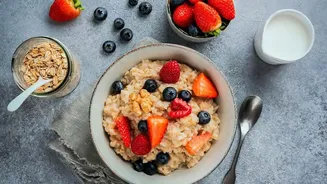
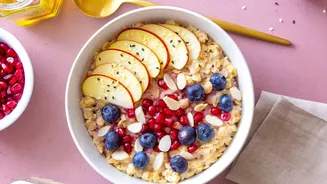
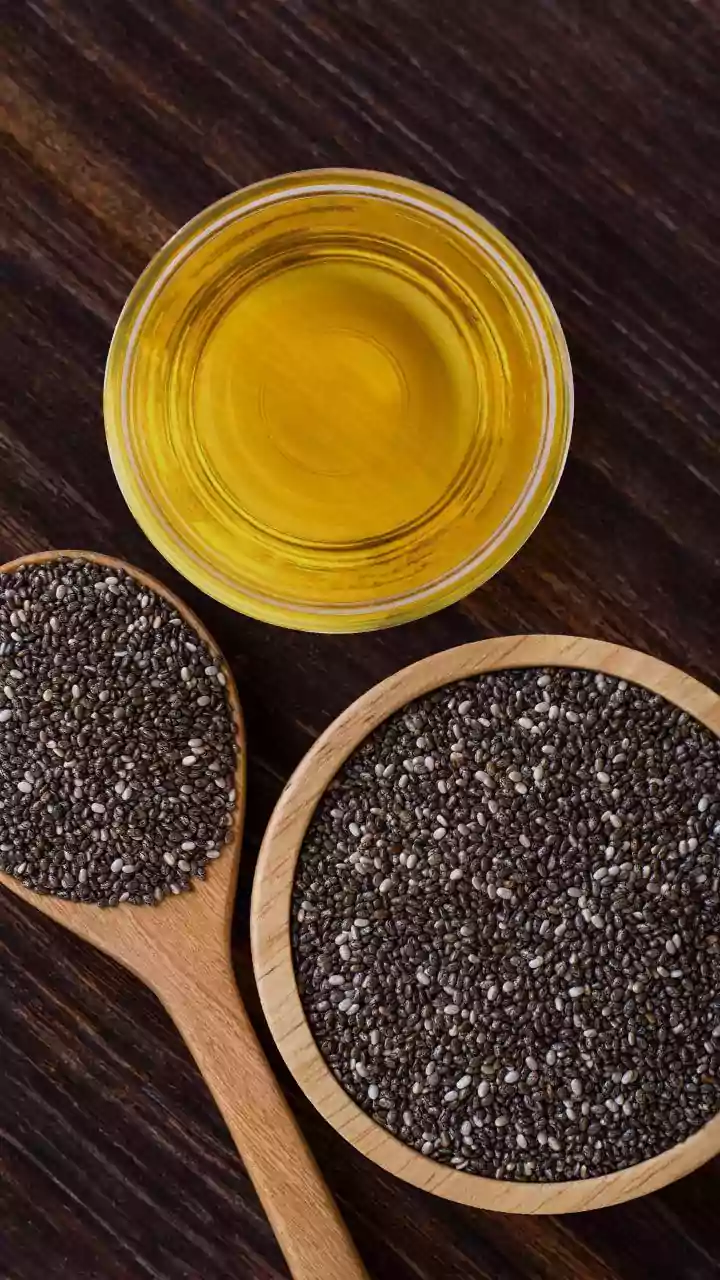
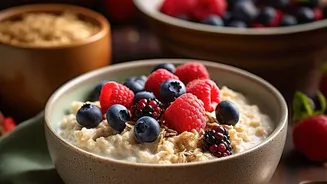
Fibre is the other essential component for a blood sugar-friendly breakfast. Like protein, it slows digestion. Soluble fibre, in particular, dissolves in water to form a gel-like substance in your digestive tract, which physically slows the absorption of sugar. This blunts the post-meal glucose spike. Good sources of soluble fibre for breakfast include oats, chia seeds, flax seeds, apples, and beans. Beyond its immediate effects on blood sugar, fibre also supports a healthy gut microbiome. These benefits contribute to improved insulin sensitivity over the long term, making your body more efficient at managing glucose. Pairing protein and fibre together creates a powerful combination for long-lasting energy and metabolic control.
5-Minute Power Breakfasts
Starting your day right doesn't have to be complicated. These ideas can be assembled in minutes. A bowl of plain Greek yogurt is an excellent protein base. Top it with a handful of berries for fibre and a sprinkle of nuts or seeds like chia or flax for more fibre and healthy fats. Another option is a savoury cottage cheese bowl; top full-fat cottage cheese with sliced avocado, cherry tomatoes, and a dash of everything bagel seasoning for a meal rich in protein and healthy fats. A quick protein smoothie can also work wonders. Blend a scoop of protein powder with unsweetened almond milk, a handful of spinach (you won't taste it), and a tablespoon of nut butter.
Make-Ahead Morning Meals
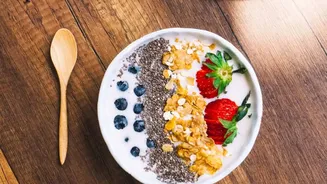
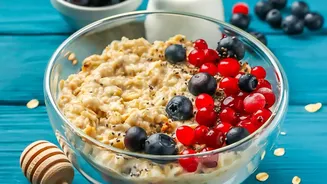
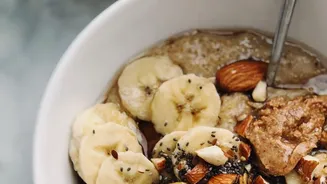
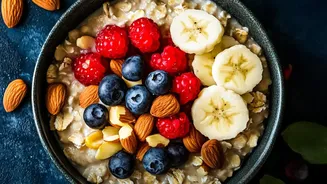
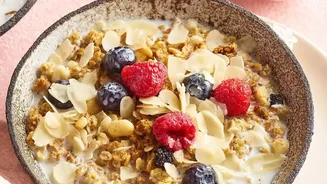
For those who have no time in the morning, a little prep the night before is a game-changer. Overnight oats are a perfect example. In a jar, combine old-fashioned oats, a scoop of protein powder, chia seeds, and your milk of choice. In the morning, just grab and go. You can also prepare a batch of egg muffins at the start of the week. Whisk eggs with chopped vegetables like spinach and peppers, and pour into a muffin tin to bake. Two of these muffins provide a fantastic protein hit. Another great make-ahead option is chia seed pudding. Mix chia seeds with milk (dairy or non-dairy) and let it sit overnight to form a pudding. Top with nuts and a few berries in the morning for a balanced meal.
Rethinking Your Toast
If you love toast, you don't have to give it up—just upgrade it. Start with a hearty, whole-grain or seeded bread, which has more fibre than white bread. Instead of jam, top it with a substantial source of protein and healthy fat. Smashed avocado with a sliced hard-boiled egg is a classic for a reason; it delivers on protein, healthy fats, and fibre. You can also spread a thick layer of cottage cheese or Greek yogurt on your toast and top it with sliced tomatoes or cucumber for a savoury twist. For a touch of sweetness without the sugar spike, a thin layer of natural peanut or almond butter on whole-grain toast provides both protein and healthy fats to slow energy release.