




The Samosa Solution: Bake, Don't Fry
The classic deep-fried samosa is a beloved but calorie-dense snack. That crispy texture comes from the pastry soaking up oil, which can bring a single medium-sized samosa to over 250 calories. The smart swap is to bake or air-fry it. By using dry heat
instead of an oil bath, you can reduce the calorie count by nearly 40-50%. A baked samosa uses the fat already in the dough to achieve a satisfying crunch, slashing the unhealthy fat content significantly. For an even healthier version, use a whole wheat flour pastry, which adds fibre, and a filling of mixed vegetables or paneer instead of just potatoes. This keeps the flavour while making it a much more balanced treat.
The Vada Pav Reinvention: A Healthier Patty and Pav
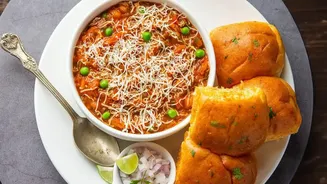
Vada Pav, the quintessential Mumbai street food, is a delicious combination of a fried potato fritter (vada) tucked inside a soft bread roll (pav). The main health concerns are the deep-fried vada and the refined white flour pav. A brilliant way to reinvent it is by baking or air-frying the vada instead of deep-frying it. You can also make the vada itself more nutritious by adding ingredients like grated carrots, spinach, or paneer to the potato mixture. For the pav, switching to a whole wheat or multigrain bun is a game-changer, increasing the fibre content and making it more filling. These simple changes allow you to enjoy the iconic flavours with far less fat and more nutrients.
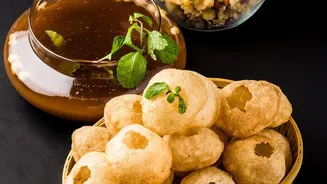
Pani Puri Power-Up: Better Fillings and Water
Everyone loves the burst of flavour from a pani puri, but the fried puris and sugary-starchy potato filling can be a concern. A simple yet effective swap is to change the filling. Instead of potatoes, opt for boiled moong sprouts, black chana (kala chana), or a mix of finely chopped onions and tomatoes. These alternatives are rich in protein and fibre, making the snack more nutritious and filling. When making them at home, you have complete control over the hygiene of the spicy water (pani). You can also use whole wheat or semolina puris, which are a slightly better option than those made from refined flour. Some even opt for baked puris for a significantly lighter snack.
Chaat Choices: Load Up on Goodness
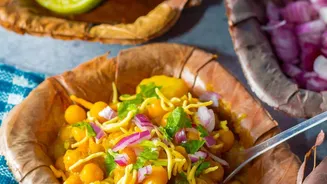
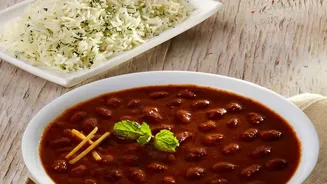
Chaat is a broad category, but many popular versions like Papdi Chaat involve fried dough (papdi), potatoes, and sweet chutneys. To make your chaat healthier, shift the ratio of ingredients. Use a base of sprouts, boiled chickpeas (chana), or even fruit. A Rajma Chaat or a Kala Chana Chaat can be a protein-packed, wholesome snack. Instead of loading up on fried papdi or sev, ask for more curd (dahi), which is a great source of probiotics, and fresh toppings like pomegranate seeds, chopped cucumber, and tomatoes. Be mindful of the chutneys; while green chutney is low in calories, sweet tamarind chutney is often high in sugar. Opt for more of the spicy and herby green one.
Beyond the Fryer: Embrace Steamed and Grilled Options
Many of the health concerns associated with street food come from deep-frying in reused oil. A fantastic way to stay healthy is to explore the vast world of steamed and grilled Indian snacks. Dhokla, made from a fermented batter of chickpea flour, is steamed and light on the stomach, offering protein and fibre. Khandvi is another steamed Gujarati snack that is both delicious and nutritious. For a heartier option, look for tandoori items. Paneer Tikka or Chicken Tikka, which are marinated and grilled, are packed with protein and flavour without the excess fat of frying. These options prove that healthy Indian snacks are anything but boring.