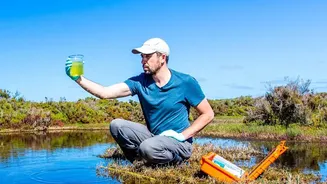





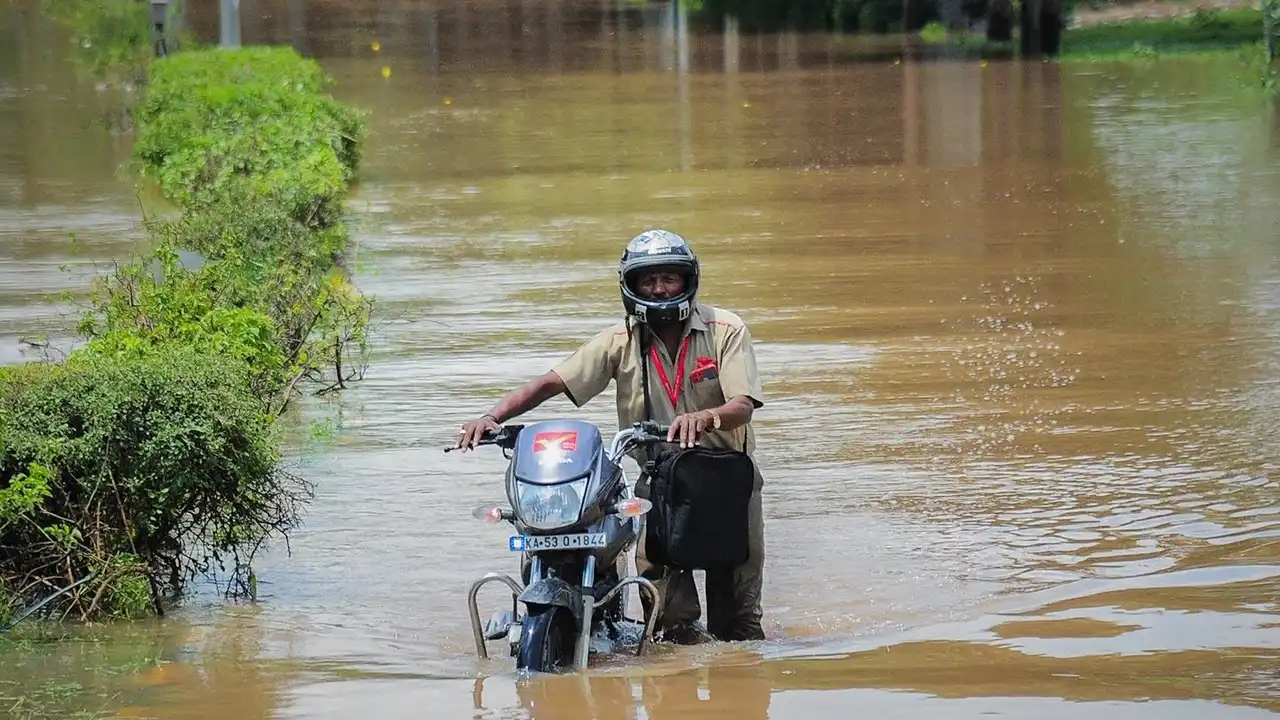


The sight is familiar in many Indian cities: a once-thriving lake reduced to a garbage-filled, foul-smelling patch of land. As urban centres expand, their water bodies are often the first casualties of encroachment and pollution. But a holistic approach
known as Integrated Wetland Management is offering a new lease on life for these critical ecosystems.
What Is Integrated Wetland Management?
Integrated Wetland Management is more than just cleaning up a polluted lake. It is a comprehensive strategy that views a water body not in isolation, but as part of a larger ecosystem. This approach, central to frameworks like the Ramsar Convention on Wetlands, focuses on the 'wise use' of these resources. In practice, it means managing the wetland and its surrounding catchment area together. This includes addressing sources of pollution, restoring natural water flows, reviving local biodiversity, and involving the local community in the conservation effort. The goal is to restore the wetland's natural functions, from recharging groundwater to supporting wildlife.
A Holistic, Multi-Pronged Approach
The 'integrated' part of the name is key. Instead of a single-minded focus on, for instance, just removing silt, this approach tackles several issues simultaneously. A typical project might involve desilting the lakebed to increase its water storage capacity, which helps in flood mitigation. It would also involve setting up natural or constructed systems, like vegetated channels, to treat sewage and wastewater before it enters the main water body, thus cutting off pollution at its source. Simultaneously, invasive plant species are removed and replaced with native ones that support local birds and insects. Crucially, it also involves engaging with local residents, turning them from passive observers into active custodians of the revived ecosystem.
Success Stories from Indian Cities
Across India, this integrated model is showing promising results. In Chennai, the eco-restoration of the 100-acre Sembakkam Lake is a prime example. The project involved not only desilting and strengthening embankments but also a scientific, participatory approach to restore its connection to the larger Pallikaranai Marshland. This revived its role in flood control and groundwater recharge for surrounding communities. Similarly, the East Kolkata Wetlands, though facing threats, have long served as a model where wastewater from the city is naturally treated through a series of fish ponds, supporting thousands of livelihoods in the process. These cases demonstrate that restoring a lake is not an expense, but an investment in urban resilience.
The Ripple Effect of Restoration
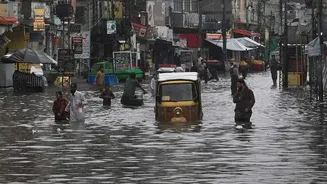
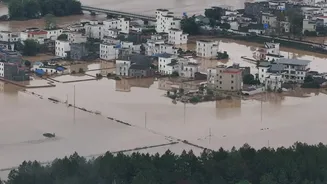
The benefits of saving an urban wetland extend far beyond having a clean water body. Healthy lakes act as giant sponges, absorbing excess rainwater and drastically reducing the risk of urban flooding—a growing menace in cities like Chennai and Bengaluru that have lost much of their natural drainage systems. They also play a vital role in replenishing groundwater tables, a critical service for waterstresed metros. Furthermore, these restored 'blue-green' spaces help combat the urban heat island effect, making neighbourhoods cooler. They become biodiversity hotspots, attracting birds and aquatic life, and provide invaluable recreational and community spaces for residents, improving overall quality of life.
Hurdles on the Path to Revival
Despite its potential, implementing integrated wetland management is not without challenges. The foremost issue is often the removal of illegal encroachments, which requires strong political will and can face significant resistance. Continuous discharge of untreated sewage and industrial effluents from surrounding areas can quickly undo restoration efforts. Fragmented governance, where multiple government agencies have overlapping jurisdictions but little coordination, also hampers effective management. Securing funding and ensuring long term maintenance after the initial restoration project is completed remains a persistent challenge, requiring sustained public and private participation to succeed.