




Prioritise Gradual Acclimatisation
Acute Mountain Sickness (AMS) is the single biggest risk to your Spiti trip. It occurs when your body doesn't get enough time to adjust to the lower oxygen levels at high altitudes, which in Spiti range from 10,000 to over 15,000 feet. Symptoms include
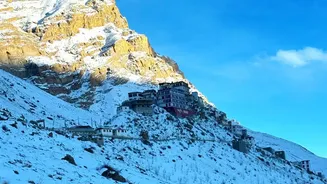
persistent headaches, nausea, dizziness, and fatigue. To prevent it, ascend slowly. The route from Shimla via Kinnaur is highly recommended over the Manali route for this reason, as it involves a more gradual climb. Plan to spend at least one night in a mid-altitude town like Kalpa (9,711 ft) or Nako (11,893 ft) before proceeding to Kaza (12,500 ft). Once in Kaza, rest for the first 24 hours. Avoid heavy exertion, stay hydrated, and skip alcohol for the first few days.
Master the Art of Layering
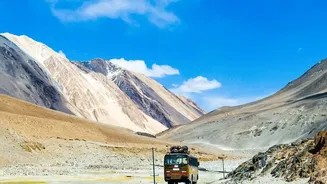
Autumn weather in Spiti is defined by extreme temperature swings. A sunny afternoon can feel pleasant, but the moment the sun disappears, temperatures plummet, often dropping below freezing at night. The key is layering. Your packing list must include a three-layer system: a base layer of thermals (synthetic or wool, not cotton), a mid-layer for insulation like a fleece jacket, and a windproof and waterproof outer jacket. Woollen socks, a warm beanie or cap, gloves, and a scarf are non-negotiable to protect against the biting cold and harsh winds, especially at high passes like Kunzum La.
Respect Road Conditions and Be Flexible
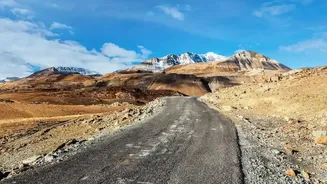
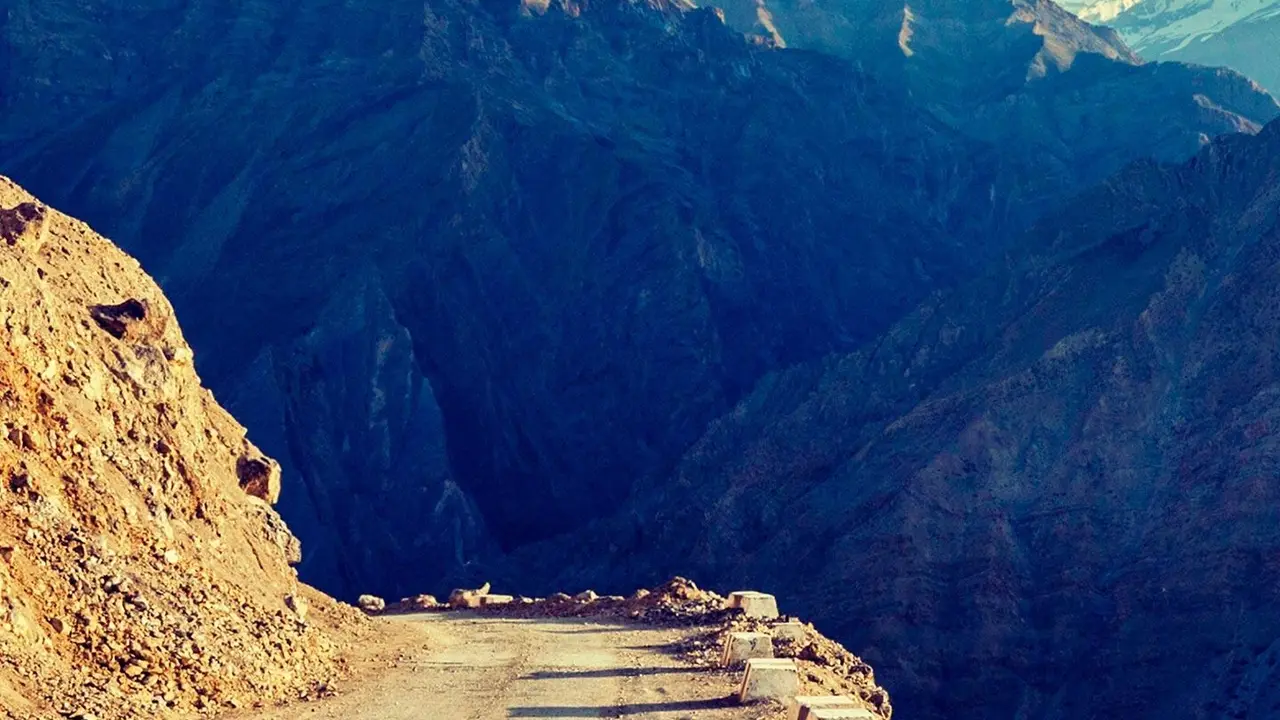
Spiti's roads are notoriously challenging, and autumn brings specific hazards. While the post-monsoon period often means clearer skies, it also brings the risk of 'black ice'—a thin, transparent layer of ice that forms on the road, especially after cold nights. This makes driving, particularly on two-wheelers, extremely dangerous. Furthermore, the popular Manali-Kaza highway via Kunzum Pass (14,931 ft) typically closes from mid-to-late October due to snowfall. Always check the official road status from the Lahaul & Spiti district administration before you travel. It is crucial to build at least one or two buffer days into your itinerary to account for unexpected road closures or delays.
Pack a High-Altitude First-Aid Kit
Medical facilities in Spiti are basic and far-flung. You must be self-sufficient. Your medical kit should be tailored for high-altitude issues. Consult a doctor before your trip about preventative medication for AMS, such as Acetazolamide (Diamox), especially if you are flying into a high-altitude airport or ascending quickly. Your kit should also include medication for headaches, fever, nausea, and motion sickness, along with standard supplies like antiseptic wipes, bandages, and pain relievers. Sun protection is also a form of medical care here; the UV radiation at this altitude is harsh, so a high-SPF sunscreen (SPF 50+), UV-protection sunglasses, and lip balm are essential.
Stay Hydrated, Eat Smart, and Carry Cash
Dehydration worsens the effects of altitude sickness. Aim to drink 3-4 litres of water daily. Local beliefs also suggest that garlic can help with acclimatisation, and many travellers find garlic soup soothing and effective. Stick to simple, high-carbohydrate meals and avoid heavy, oily food. On the logistical side, mobile connectivity is patchy at best—BSNL and Jio have some presence in Kaza, but other networks are mostly absent. Download offline maps before you go. Finally, ATMs are scarce and often out of service. Carry enough cash from Manali or Reckong Peo to cover your entire trip, including stays, food, and emergencies.