






Understanding the World of Fats
Not all fats are created equal. The key to a heart-healthy diet lies in understanding the difference between the types of fats we consume daily. There are three main categories: saturated, unsaturated, and trans fats. Saturated fats, which are solid at room
temperature like butter and ghee, have traditionally been linked to higher cholesterol levels if consumed in excess. Trans fats, often found in commercially baked goods and fried foods, are widely considered the most harmful. Unsaturated fats, on the other hand, are the heroes of this story. These fats are typically liquid at room temperature and are found in plant-based foods and oils. They are celebrated for their ability to improve blood cholesterol levels, ease inflammation, and stabilize heart rhythms.
The Power of Unsaturated Oils
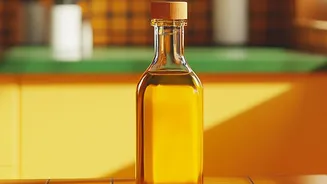
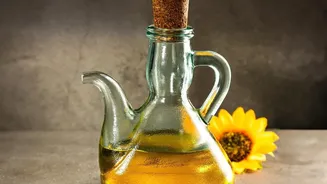
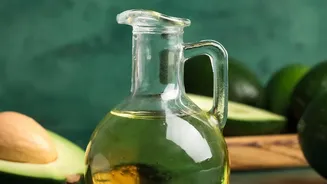
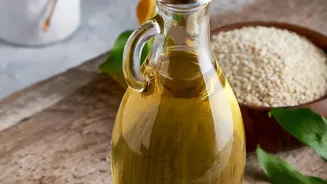
Unsaturated fats come in two forms: monounsaturated and polyunsaturated. Monounsaturated fats (MUFAs) are found in high concentrations in groundnut (peanut) oil, canola oil, and olive oil. Polyunsaturated fats (PUFAs) are plentiful in oils like sunflower, safflower, soybean, and mustard oil. Both types play a crucial role in heart health. When you replace saturated fats in your diet with unsaturated fats, you can effectively lower your levels of LDL cholesterol, often called 'bad' cholesterol. This is significant because high LDL cholesterol is a major risk factor for heart disease and stroke. Some studies suggest monounsaturated fats are particularly beneficial as they lower bad LDL cholesterol without reducing the good HDL cholesterol, unlike some polyunsaturated fats.
Choosing the Right Oil for Indian Kitchens
The good news is that many traditional Indian cooking oils are excellent sources of unsaturated fats. Mustard oil, a staple in many parts of the country, is low in saturated fat and high in both MUFAs and PUFAs, with a beneficial ratio of omega-6 to omega-3 fatty acids. This makes it a great all-purpose oil, stable enough for high-temperature cooking like frying and sautéing. Groundnut oil is another popular choice rich in MUFAs and PUFAs that helps lower bad cholesterol. While international options like olive oil are healthy, their lower smoke point makes them less suitable for high-heat Indian cooking methods but great for dressings. Recent guidelines from the Indian Council of Medical Research (ICMR) suggest rotating oils to get a diverse mix of fatty acids, as no single oil provides everything. For instance, you might use mustard oil one month and groundnut or sunflower oil the next.
The Critical Role of Omega-3 and Omega-6
Within the category of polyunsaturated fats, omega-3 and omega-6 fatty acids are essential, meaning our bodies can't produce them. The modern Indian diet is often heavy in omega-6 (found in many processed foods and vegetable oils) and low in omega-3 (found in fatty fish, flaxseeds, and walnuts). This imbalance can contribute to inflammation, a known factor in heart disease. Mustard oil stands out for having a healthier, more balanced ratio of these two fatty acids. Making a conscious effort to include more omega-3 sources in your diet, alongside using oils with a better fatty acid profile, can significantly support your long-term cardiovascular health.
Beyond the Oil: Smart Cooking Habits
Simply switching your oil is a great first step, but how you use it matters just as much. The ICMR has issued strong warnings against the common practice of reusing cooking oil. Repeatedly heating oil, especially to high temperatures, generates toxic compounds and harmful trans fats that increase the risk of heart disease and even cancer. Health authorities recommend using oil only once for frying. If you must reuse it, it should be filtered and used for low-heat curry preparations within a day or two, but never for frying again. Furthermore, pay attention to the quantity. The ICMR recommends a moderate total oil consumption to maintain a healthy weight and reduce disease risk.