







More Than Just a Garnish
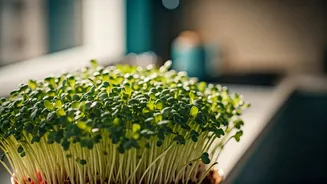
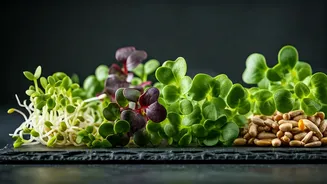
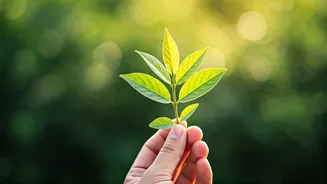
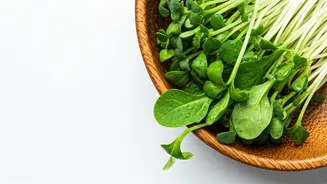
First, let's be clear: microgreens aren't just tiny, sad-looking herbs sprinkled on a fancy restaurant dish. They are young vegetable greens, harvested just after the first true leaves have developed. Falling somewhere between a sprout and a baby green,
they are essentially the infant stage of plants like radishes, kale, cilantro, and beets. What makes them a nutritional powerhouse is their density. Studies have shown that microgreens can pack significantly higher levels of vitamins and carotenoids—sometimes up to 40 times more—than their fully-grown counterparts. This isn't just about getting your greens; it's about getting the most potent version of them in a small, easy-to-eat package.
The Urban Wellness Boom in India
So why is this trend taking root so deeply in India? The answer lies at the intersection of a rising, health-literate middle class and growing concerns about the modern food supply. In major metropolitan areas like Mumbai, Bangalore, and Delhi, consumers are increasingly wary of pesticides and long, opaque supply chains. They want clean, fresh, and trustworthy food.
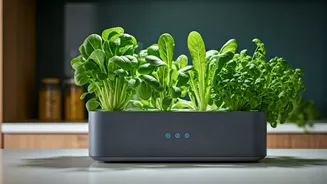
Microgreens offer a perfect solution. They can be grown hydroponically or in small soil trays, indoors, year-round, without the need for pesticides. This has fueled a surge in local ag-tech startups that deliver hyper-fresh, living greens directly to consumers, often within hours of harvesting. It taps into a desire for both nutritional optimization and a closer connection to the food we eat, a powerful combination for anyone tired of questioning what's really in their produce.
The Allure of Whole-Food Nutrition
The shift from a synthetic pill to a living plant is about more than just novelty. It reflects a broader movement away from reductionist nutrition—the idea that health can be broken down into isolated vitamins and minerals and consumed in a capsule. While supplements have their place, especially for addressing specific deficiencies, many are turning back to the idea that nutrients are best consumed in their natural, whole-food form. The fiber, enzymes, and other phytonutrients in a fresh microgreen work synergistically, potentially enhancing absorption and providing benefits that a pill simply can't replicate.
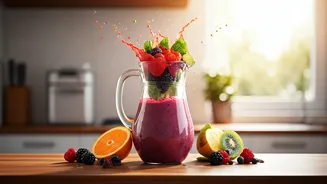
There's also the sensory pleasure. A pill is a chore; a handful of peppery radish microgreens tossed into a salad or a nutty sunflower microgreen blended into a smoothie is an experience. This movement isn't just about feeding your cells; it's about feeding your senses, making the act of being healthy enjoyable rather than medicinal.
How They're Being Eaten
The versatility of microgreens is a key driver of their popularity. In India, they're being incorporated into traditional and modern diets with creative flair. Chefs in high-end restaurants might use them to add a pop of color and intense flavor to curries and biryanis. Home cooks are blending them into chutneys, scattering them over dal, or using them as a fresh, crisp base for salads and sandwiches, replacing less-nutritious lettuce.
Their concentrated flavor means a little goes a long way. Spicy mustard microgreens can liven up a simple avocado toast, while sweet pea shoots can be eaten as a snack on their own. This ease of use makes them an incredibly practical way for busy urbanites to dramatically boost the nutritional profile of any meal without complicated recipes or cooking techniques.