
Choose Hardy, Low-Cost Plants
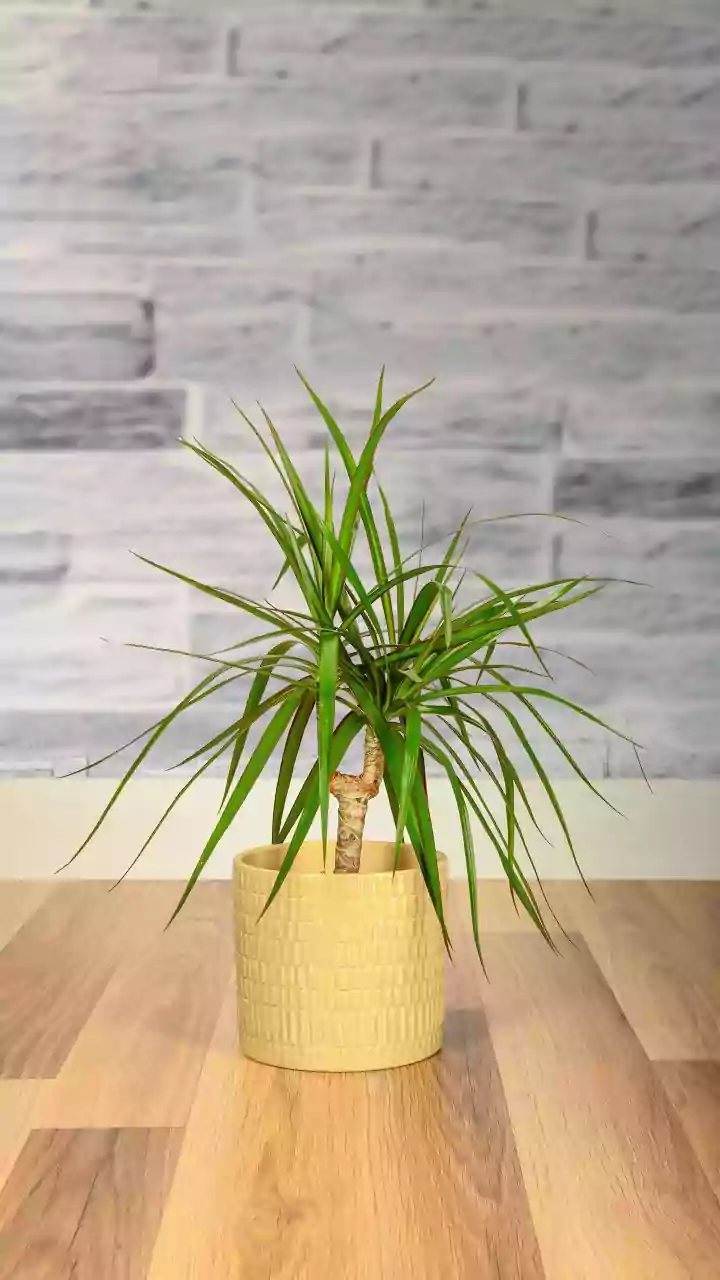
The foundation of a budget-friendly indoor garden is selecting the right plants. Look for species that are affordable, readily available in India, and famously difficult to kill. The Money Plant (Pothos) is a classic choice, known for its trailing vines
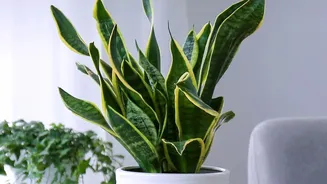
that can be grown in soil or just water. Another excellent option is the Snake Plant, which has a sleek, vertical shape that takes up minimal floor space and tolerates low light and infrequent watering. Similarly, the ZZ Plant is nearly indestructible, thriving on neglect, making it perfect for beginners or busy individuals. Spider Plants are also great, as they are easy to care for and produce 'babies' that can be repotted to create new plants for free.
Think Vertically to Save Space
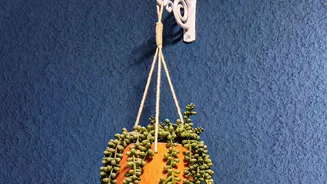
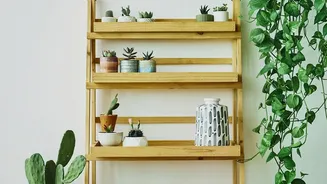
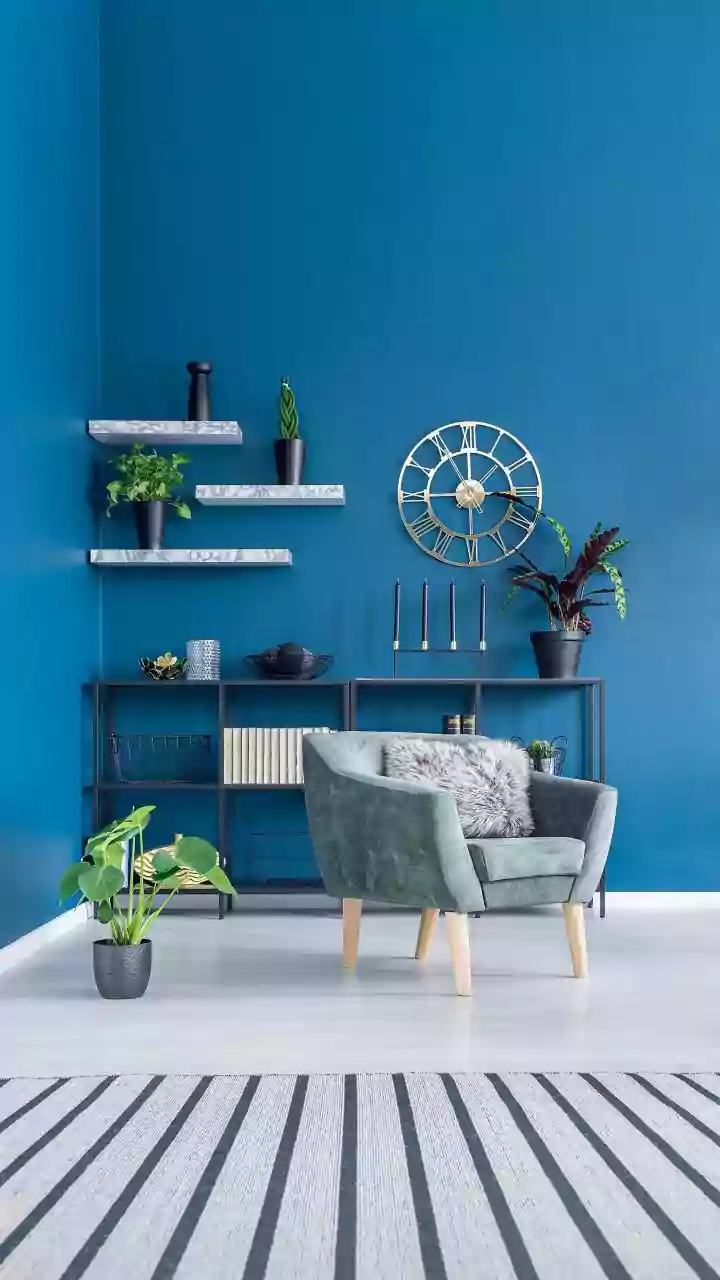
When floor space is a luxury, the only way to go is up. Vertical gardening is a stylish and practical solution for small rooms. Simple floating shelves can turn a blank wall into a multi-level plant display. Hanging planters are another brilliant way to add greenery at eye-level without cluttering surfaces. You can suspend them from ceiling hooks or even curtain rods. Trailing plants like Pothos and certain Philodendrons are ideal for this, as their cascading leaves create a lush, dramatic effect. You can also find plant ladders or tiered stands that offer a compact footprint for displaying several pots in a single corner.
Get Creative with DIY Planters
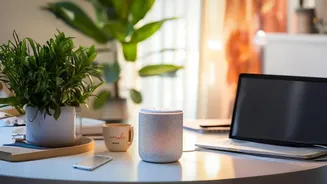
You don't need to spend much on fancy pots. Some of the most charming planters can be made from items you already have at home. Old mugs, glass jars, tin cans, and even unused teapots can be repurposed into unique homes for your plants. This approach not only saves money but also adds a personal, rustic touch to your decor. Just ensure your DIY container has drainage holes at the bottom to prevent water from pooling, which can lead to root rot. If you can't drill a hole, add a layer of pebbles at the bottom before the soil to help with drainage.
Group Plants for Greater Impact
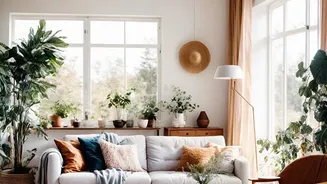
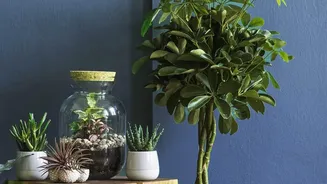
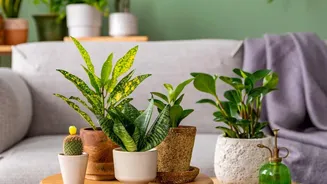
Instead of scattering single plants throughout your room, group them together to create a focal point. A collection of three or five small plants on a windowsill, side table, or a dedicated plant stand can make a much stronger visual statement than when they are placed far apart. You can create a dynamic look by mixing plants of different heights, leaf shapes, and textures. For a more cohesive and serene arrangement, use pots of a similar colour or material. This simple design trick makes your collection look intentional and well-curated rather than cluttered.
Master Budget-Friendly Plant Care
Great plant care doesn't require expensive gadgets. The most common mistake beginners make is overwatering. Before you water, always check if the top inch of soil is dry. Most hardy indoor plants, like the Snake Plant or ZZ Plant, prefer their soil to dry out almost completely between waterings. Ensure your plants get the right amount of light; most of the recommended plants here thrive in bright, indirect sunlight and can even tolerate lower light conditions. You can also skip the store-bought fertilizer and make your own by composting kitchen scraps or using diluted rice water, which provides nutrients. Wiping the leaves with a damp cloth every few weeks will remove dust, helping them absorb more sunlight.