
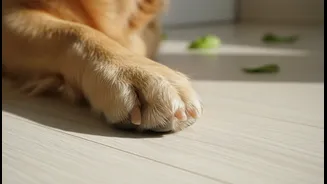


The Unseen Dangers in a Puddle
For a pet parent in India, the monsoon brings a unique set of challenges. The waterlogged streets and inviting puddles your dog loves to splash in can be a cocktail of contaminants. Stagnant water is a thriving environment for harmful bacteria, fungi,
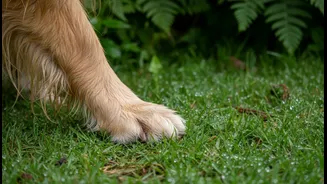
and parasites. One of the most significant threats during this season is leptospirosis, a serious bacterial disease spread through the urine of infected animals, particularly rodents, which contaminates water sources. The bacteria can enter a dog's body through small cuts on their paws, by drinking the water, or simply through prolonged contact. Beyond this, the constant moisture can lead to painful fungal and yeast infections between your dog's toes, causing obsessive licking, redness, and a distinct musty smell.
Why a Towel Is Not Enough
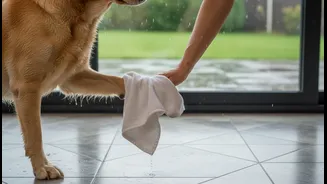
After a wet walk, the first instinct is to grab a towel and dry off your dog’s paws. While drying is a crucial step to prevent fungal growth, it doesn't address the microscopic threats left behind. A towel removes surface mud and water but leaves behind the bacteria and fungal spores collected from the street. Think of it as the difference between wiping a kitchen counter with a dry cloth versus using a disinfectant spray. The former cleans visible dirt, but the latter sanitizes the surface. During the high-humidity monsoon months, when a dog's coat and paws can remain damp for hours, simply drying them is only half the battle. This is especially true for the spaces between the paw pads, where moisture gets trapped easily.
The Advantage of an Antiseptic Wipe
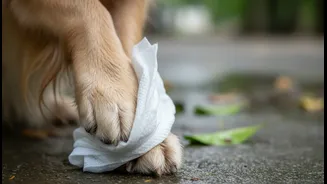
This is where antiseptic paw wipes become an essential tool. Unlike a standard grooming wipe or a simple towel, these are specifically formulated to clean and disinfect. Good quality, pet-safe antiseptic wipes contain ingredients like chlorhexidine, which is a gentle yet effective antiseptic that kills bacteria and fungi without irritating the skin. They are designed to do more than just clean; they actively work to reduce the microbial load on your dog's paws, significantly lowering the risk of infection. The convenience is another major factor. A quick, thorough wipe-down after every walk is a simple, sustainable habit that provides a powerful layer of protection against the invisible dangers of the season.
How to Choose the Right Paw Wipe
Not all wipes are created equal, and it is crucial to choose a product that is safe for your pet. Human wipes, including baby wipes, are not suitable for dogs because their skin has a different pH level, and ingredients safe for humans can cause irritation or be toxic if licked. When selecting pet wipes, look for formulas that are alcohol-free, as alcohol can severely dry out paw pads. Instead, prioritize wipes with gentle, pet-safe antiseptic agents like chlorhexidine. Many beneficial wipes also contain soothing and moisturising ingredients like aloe vera, vitamin E, or oatmeal to counteract any potential dryness and keep paw pads healthy. Always opt for unscented or lightly scented options, as strong fragrances can be irritating to your dog's sensitive nose.
Making It a Post-Walk Ritual
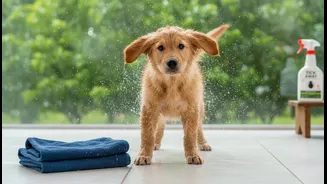
Integrating paw cleaning into your daily routine is the key to its success. Place your container of antiseptic wipes, along with an absorbent mat, right by your door. The moment you return from a walk, before your dog has a chance to track water and germs through the house, make it a habit to sit down for a quick paw-cleaning session. Gently wipe each paw, making sure to clean between the toes and around the pads where debris and moisture hide. This two-minute ritual does more than just keep your floors clean; it’s a proactive health measure that helps you inspect your dog's paws daily for any cuts, thorns, or signs of irritation, allowing you to catch potential problems early. This small investment of time offers a significant return in your dog's comfort and health throughout the monsoon.