


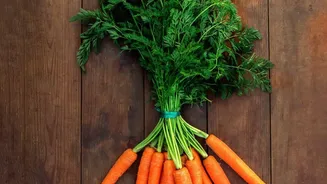
In the world of superfoods, carrots and spinach are titans. But pitting them against each other misses the point. The real question isn't which is better overall, but which is better for you, right now. The answer depends entirely on your needs.
The Case for Carrots: Vision and Immunity
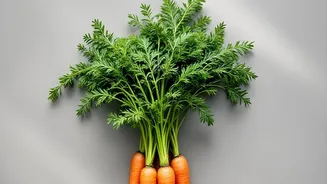
Carrots
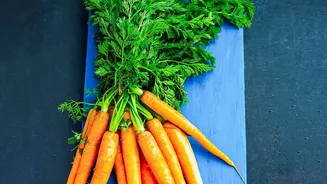
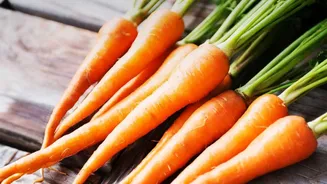
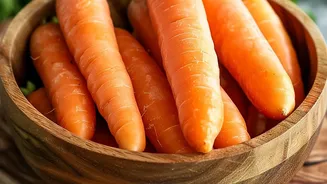
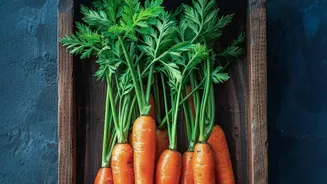
are most famous for one thing: beta-carotene. This is the antioxidant compound that gives them their vibrant orange hue and which our bodies convert into Vitamin A. This vitamin is absolutely crucial for good vision, particularly for preventing night blindness. Studies show that the carotenoids in carrots, including beta-carotene and lutein, help protect against age-related eye problems like macular degeneration and cataracts. But their benefits don't stop there. Vitamin A is also a powerhouse for the immune system, helping your body build antibodies and fight off infections. Furthermore, carrots are a great source of fibre, which aids in digestion, helps regulate blood sugar levels, and can contribute to weight management by making you feel fuller for longer.
Spinach's Strengths: Bones, Blood, and Brain
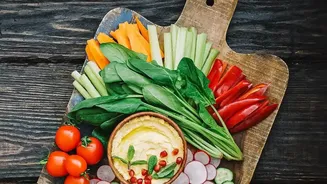
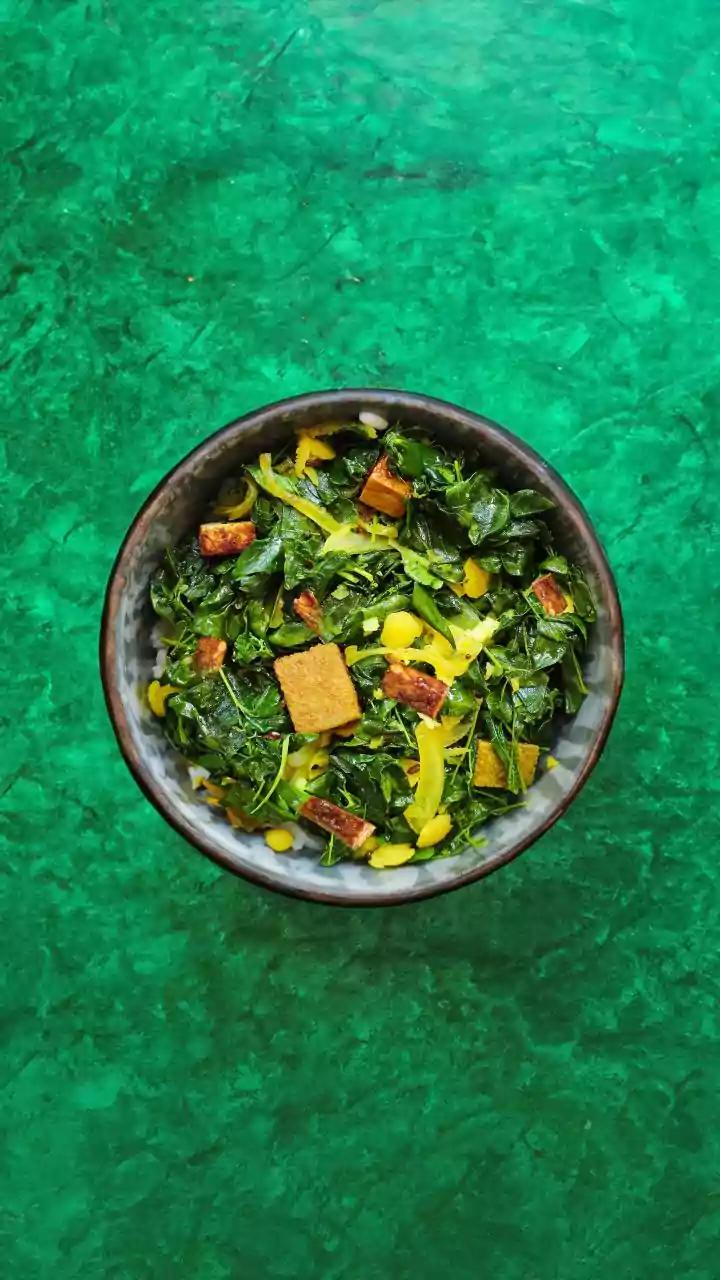
Spinach boasts a different, but equally impressive, nutritional profile. It is an absolute champion when it comes to Vitamin K1, a nutrient essential for blood clotting and strong bones; a single leaf can contain over half of your daily needs. Spinach is also packed with iron, a mineral vital for creating haemoglobin, which transports oxygen throughout your body and supports energy levels. It’s also rich in folate (Vitamin B9), which is critical for cell growth and particularly important for pregnant women. Beyond that, spinach delivers nitrates that help relax blood vessels and lower blood pressure, supporting heart health. Some studies have even linked daily consumption of leafy greens like spinach to slower age-related cognitive decline, thanks to its combination of antioxidants, folate, and Vitamin K.
The Cooking Conundrum
How you prepare these vegetables significantly changes what you get out of them. For carrots, cooking actually breaks down their tough cellular walls, making beta-carotene much more available for your body to absorb. Studies have shown that you get significantly higher blood levels of beta-carotene from cooked carrots versus raw ones. Adding a little healthy fat, like olive oil, further boosts absorption. For spinach, the story is more complex. Cooking can increase the availability of nutrients like Vitamins A and E, iron, and calcium. However, it also reduces levels of water-soluble vitamins like Vitamin C and folate. Lightly steaming or sautéing is often better than boiling, which can cause these valuable nutrients to leach out into the water.
A Note on Nutrient Blockers
While spinach is rich in minerals like calcium and iron, it also contains a compound called oxalic acid, or oxalates. For a long time, it was believed that oxalates were the primary reason the iron in spinach was poorly absorbed, as they can bind to minerals. However, newer research suggests that while the iron in spinach is indeed less bioavailable than iron from meat, the main culprits are likely other compounds like polyphenols and the spinach's own calcium content. Cooking can help reduce the oxalate content, and pairing spinach with a source of Vitamin C, like a squeeze of lemon juice, can significantly enhance your body's ability to absorb its non-heme iron.
The Verdict: A Varied Plate Wins
So, which is better? The answer is neither. Carrots and spinach are not rivals; they are teammates in a well rounded diet. If your primary goal is to boost your Vitamin A intake for eye health, cooked carrots are an unparalleled choice. If you need to focus on bone health with Vitamin K or increase your intake of folate and iron (with a little help from Vitamin C), spinach is your go to. Both are low calorie, high fibre options that support overall health from your heart to your brain. Choosing one over the other consistently means missing out on the unique benefits the other provides. The smartest nutritional strategy isn't about picking a single winner, but about ensuring both of these powerhouses, and many other colourful vegetables, regularly make it onto your plate.